
The Delhi High Court has cautioned against dragging the court into political protests related to the Cockroach Janta Party (CJP). This statement comes amid ongoing tensions surrounding protests against the government in the national capital.
Delhi High Court’s Ruling
On July 21, the Delhi High Court responded to ongoing protests orchestrated by the CJP. The court urged litigants to refrain from involving judicial proceedings in political matters, stressing that the judiciary should not be drawn into disputes that fall under the purview of political activism. This decision reflects an effort to maintain the independence of the judiciary and uphold its role as a neutral entity in political matters.
Background on the Cockroach Janta Party Protests
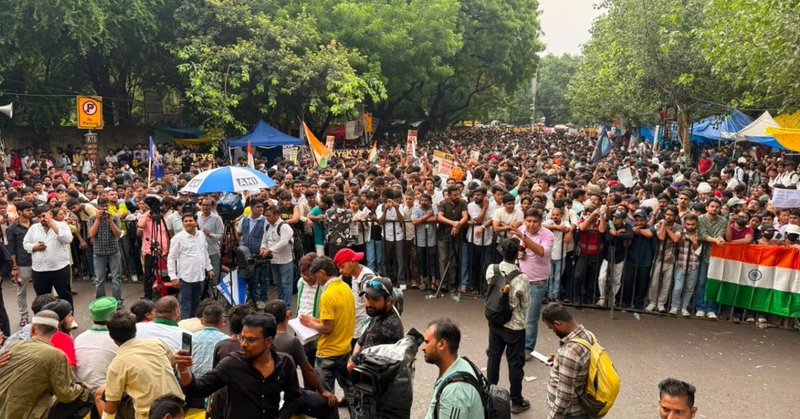
The Cockroach Janta Party, a youth-led political movement, has been staging demonstrations to voice their dissent against government policies. These protests have seen participants attempting to reach significant political landmarks, including the newly constructed parliament building. However, on the day in question, protesters faced aggressive pushback from law enforcement, who sought to maintain order in the capital. The youth-led movement has shown resilience, regrouping at Jantar Mantar even after facing obstacles.
The Impact of Court Statements on Political Activism
The Delhi High Court’s remarks may have a chilling effect on future political protests and the relationship between activists and the judiciary. By discouraging the invocation of legal processes in political demonstrations, the court aims to mitigate the risk of escalating tensions between protestors and governmental authorities. However, such a stance also raises questions about the role of the judiciary in mediating conflicts that arise from government policies and public dissent.
Why This Matters
The ongoing protests and the court’s involvement highlight the intricate dance between civil rights and government authority in India. As dissent becomes a rallying point for various groups, the judiciary’s stance may influence how future protests are organized and perceived. For Indian citizens, this situation underscores the importance of political engagement and the potential ramifications of state responses to dissenting voices.
Frequently Asked Questions
What prompted the Delhi High Court’s remarks about the protests?
The court addressed concerns regarding the involvement of judicial processes in political protests and urged participants to seek alternative avenues for addressing their grievances instead of resorting to litigation.
Who are the key figures in the Cockroach Janta Party protests?
Prominent figures in the CJP protests include youth activists and leaders who are advocating against certain governmental decisions, asserting that such measures negatively impact public welfare.
What is the significance of Jantar Mantar for political protests in India?
Jantar Mantar has historically been a venue for protests and demonstrations in India, serving as a crucial space for citizens to express their dissent and engage with political issues directly.
How might the court’s decision influence future protests?
The court’s stance could deter activists from taking legal routes to address grievances, potentially impacting the momentum and structure of future protest movements. This might lead to greater reliance on grassroots organizing and public outreach efforts instead.