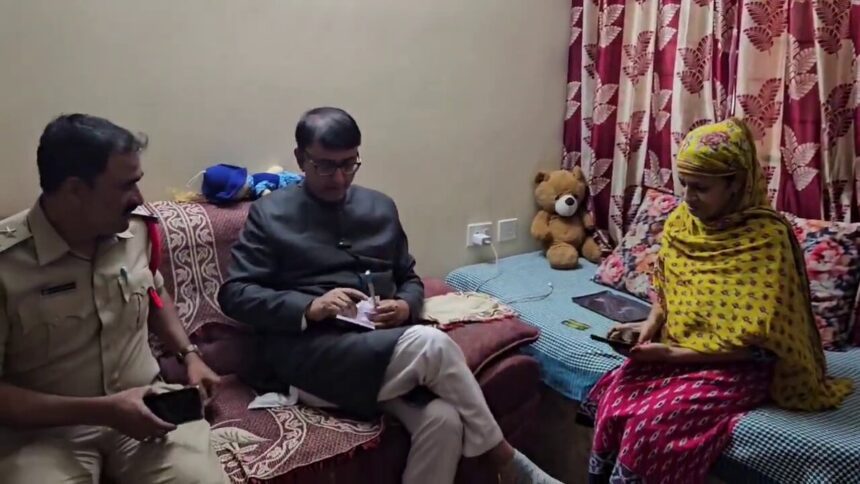

A recent viral video highlights a troubling incident in Hyderabad, where a young boy confronted discrimination against a family due to their association with a pet cat. The incident raises significant questions about communal harmony, prejudice, and the treatment of tenants in residential societies.
The Incident Unfolded
The controversy began when Sheik Naseema, a tenant living in the Janapriya Lakefront apartment complex for the past year, offered shelter to her children’s friend, Prachi Lokhandwala, who had been evicted from her home over a disagreement with her landlord. Prachi had nowhere to go, and Naseema, despite suffering from allergies, agreed to take them in, including Prachi’s Persian cat, which was initially kept in the balcony.
However, this decision sparked outrage among some of Naseema’s neighbors. A local resident, described as the society’s vice-president, reportedly began using derogatory terms, branding Naseema’s family as “bomb phatne vaale, Pakistanis,” and insisted that they do not belong in India. The boy in the viral video, Nadeem Ahmed, who is also Naseema’s nephew, bravely defended her by asserting, “My grandfather is a Subedar in the Indian Army. I am a proud Indian.”
Public Outcry and Legal Action
The video of Nadeem’s impassioned defense quickly went viral, drawing widespread attention to the incident and the broader attitudes towards immigrants and religious minorities in India. The situation escalated to the point where an FIR was filed against the individuals involved in the verbal abuse, including the now-infamous “go to Pakistan” uncle.
This event has prompted not just local discontent but also a discussion regarding the acceptance of diverse communities within housing societies. Social activists have been advocating for more inclusive policies that honor the rights of tenants regardless of their background. The act of Nadeem standing up in defense of his family has resonated with many, symbolizing youthful bravery and the willingness to challenge unfairness.
Legal Framework on Pets in Housing Societies
Another crucial aspect of this incident is the legality surrounding pet ownership in residential societies. The Supreme Court of India has ruled against outright bans on pets, asserting that animals are entitled to coexist with their human companions in shared living spaces. This brings into focus ongoing tensions between individual rights and community regulations, as well as the need for societies to adapt to the changing dynamics of urban living.
Despite this ruling, many housing societies continue to impose restrictions on pets, often fueled by prejudices or misunderstandings about animal behavior. Naseema’s experience presents an opportunity to address these barriers and advocate for the rights of both tenants and their pets.
Why This Matters
This incident serves as a reminder of the growing intolerance and discrimination faced by minority communities in India. It highlights a broader societal issue where individuals are judged not on their character or contributions but on stereotypes and unfounded biases.
Furthermore, the incident raises essential questions about landlord-tenant relations and the rights of tenants, particularly those from marginalized backgrounds. As more Indians live in diverse communities, it becomes increasingly necessary to foster understanding and inclusivity. Nadeem’s defense of his family not only reflects personal courage but also represents a call for unity against prejudice and division.
Frequently Asked Questions
What sparked the viral video incident?
The incident arose when a society vice-president made derogatory statements about Naseema’s family, prompting her nephew to defend them and showcasing discrimination based on their association with a pet cat.
What legal protections exist for pet owners in India?
The Supreme Court of India has ruled against blanket bans on pets in housing societies, emphasizing their right to coexist with their human companions.
What is the significance of Nadeem’s response?
Nadeem’s assertive defense highlights the importance of standing up against discrimination and promoting communal harmony, particularly among the youth in India.
How can such incidents be addressed in the future?
Promoting awareness and education about communal harmony, inclusivity, and legal rights can help reduce tensions in diverse housing societies, fostering a better understanding among residents.