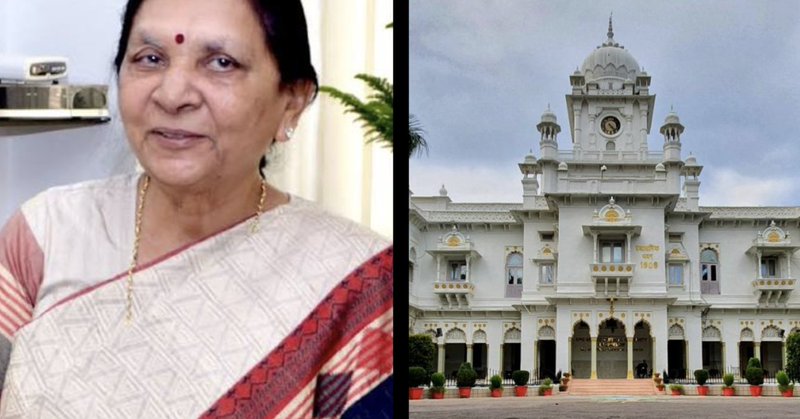

In a controversial move, the Uttar Pradesh Governor Anandiben Patel has raised objections to non-vegetarian food preparation in hostel messes at Lucknow’s King George’s Medical University (KGMU). This has sparked discussions surrounding dietary choices, freedom of expression, and cultural implications in Indian institutions.
Background on the Controversy
Governor Anandiben Patel has made headlines for questioning the inclusion of non-vegetarian meals in state university hostel messes. Her recent objection at KGMU marks the second such incident in just two months, prompting institutions to reconsider their food service policies. The reaction from students and faculty has been mixed, with many arguing that dietary preferences should cater to diverse backgrounds in a multi-cultural country like India.
The Diversity of Indian Cuisine
India is celebrated for its culinary diversity, with different regions presenting unique flavors and dishes. Non-vegetarian foods like kebabs, biryanis, and curries are staples in various cultures. Lucknow, particularly, is renowned for its Awadhi cuisine, which includes iconic dishes like Galawati Kebab and Awadhi Biryani. A ban on these foods in educational institutions raises concerns about cultural erasure and the restriction of students’ rights to choose their diets.
Student Responses and Broader Implications
Students have voiced significant opposition to the Governor’s stance, viewing it as an infringement on their personal freedoms. The debate has spurred calls for demonstrations and discussions on social media platforms, where food choices have been aligned with broader issues of civil rights and individual liberties in India. This situation speaks volumes about ongoing tensions in Indian society concerning secularism and the weight of government influence in everyday life.
Why This Matters
This controversy highlights the intersection of politics, culture, and personal freedom in India. With a rising trend of regulatory oversight regarding dietary choices, particularly in educational institutions, there are broader implications for how cultural diversity and personal choices are upheld within the framework of Indian democracy. The ability of students to maintain their dietary preferences is not just about food; it symbolizes a larger fight for autonomy against governmental encroachment into personal lives.
Frequently Asked Questions
What triggered the ban on non-vegetarian food at KGMU?
The ban was prompted by objections raised by Uttar Pradesh Governor Anandiben Patel regarding the availability of non-vegetarian food in hostel messes, reflecting a cultural sensitivity that has now affected student dining options.
How have students reacted to this ban?
Students have expressed strong opposition to the ban, arguing that it undermines their freedom of choice and disregards the cultural significance of non-vegetarian cuisine in various communities.
Is this the first time such a ban has occurred in India?
No, this is not the first instance of bans on non-vegetarian food in educational institutions. However, the prominence of this particular case has ignited significant discourse around dietary freedoms and cultural representation.
What are the potential long-term consequences of this ban?
Long-term implications may include increased polarization around dietary choices, a possible rise in student activism against governmental decisions regarding personal freedoms, and broader debates on cultural identity in a diverse nation like India.