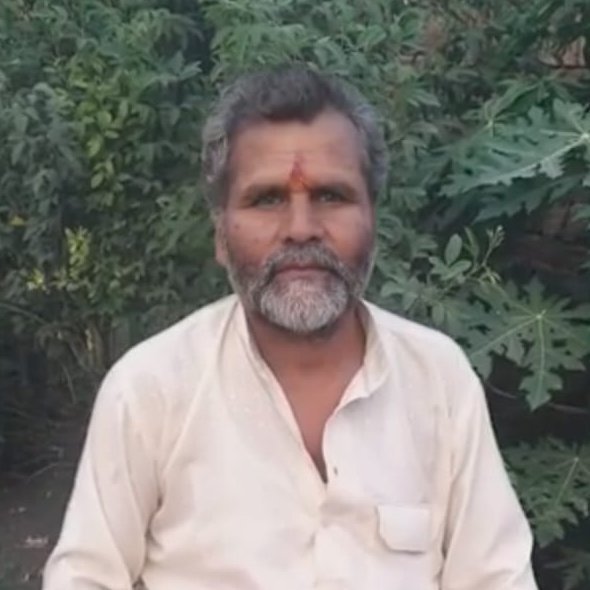

Rajendra Prasad, a 62-year-old temple priest from Jhansi district, Uttar Pradesh, tragically died by suicide in a police station’s washroom after being arrested on allegations of sexually harassing a 9-year-old girl. His family contends that the incident arose from his intervention when the girl attempted to pluck flowers from their garden, circulating a narrative that raises questions about the alleged charges against him.
Incident Overview
The shocking incident unfolded when Rajendra Prasad found himself embroiled in a legal battle following a complaint lodged against him. According to reports, the case originated when Prasad stopped a minor from plucking flowers outside his home, a seemingly benign act that escalated into serious allegations of sexual harassment. The police’s rapid response resulted in Prasad’s arrest, leading to this tragic self-inflicted death shortly thereafter in custody.
Police Response and Consequences
In light of the incident, four policemen, including the Station House Officer (SHO), have been suspended. This response reflects an acknowledgment from authorities of potential negligence in handling the case, though further investigations will be crucial in determining the underlying factors that led to Prasad’s suicide. The police’s role in context to the broader landscape of safety measures and proper protocol during sensitive investigations remains paramount in these circumstances.
Family’s Perspective and Legal Ramifications
Prasad’s son has publicly defended his father’s actions, framing the complaint as a misunderstanding that spiraled out of control. His assertions highlight the complexities often surrounding allegations of sexual misconduct, especially when it involves minors. The dynamics of such cases often raise ethical questions regarding the immediacy of legal action, community sensitivity, and the impacts on the accused’s mental well-being. The family’s narrative poses significant implications about how accusations can lead to severe consequences, even if they stem from minor incidents.
Why This Matters
This incident sheds light on the broader socio-political landscape in India where accusations of sexual harassment, especially involving minors, are treated with severe urgency. This often leads to a lack of thorough investigation procedures which can have tragic consequences, as seen in this case. The rapid response from law enforcement, combined with community reactions, reflects a society grappling with rising incidents of sexual violence alongside the need for fair judicial processes. The suspension of police officials signifies recognition of the need for accountability in how such sensitive matters are handled, spotlighting the potential for reforms in law enforcement protocol in similar cases.
Frequently Asked Questions
What were the charges against Rajendra Prasad?
Rajendra Prasad was arrested on allegations of sexually harassing a 9-year-old girl, stemming from an incident where he reportedly stopped her from plucking flowers outside his home.
Why were police officers suspended?
The suspension of four policemen, including the Station House Officer, occurred due to potential negligence in handling the situation that led to Prasad’s suicide.
What is the family’s stance regarding the allegations?
The family claims that the situation was misrepresented and that Prasad was simply trying to stop the girl from engaging in a minor act, questioning the legitimacy of the charges against him.
What implications does this incident have for similar cases in India?
This incident underscores the urgent need for a balanced approach to handling allegations of sexual misconduct, particularly those involving minors, emphasizing both the protection of alleged victims and the rights of the accused.