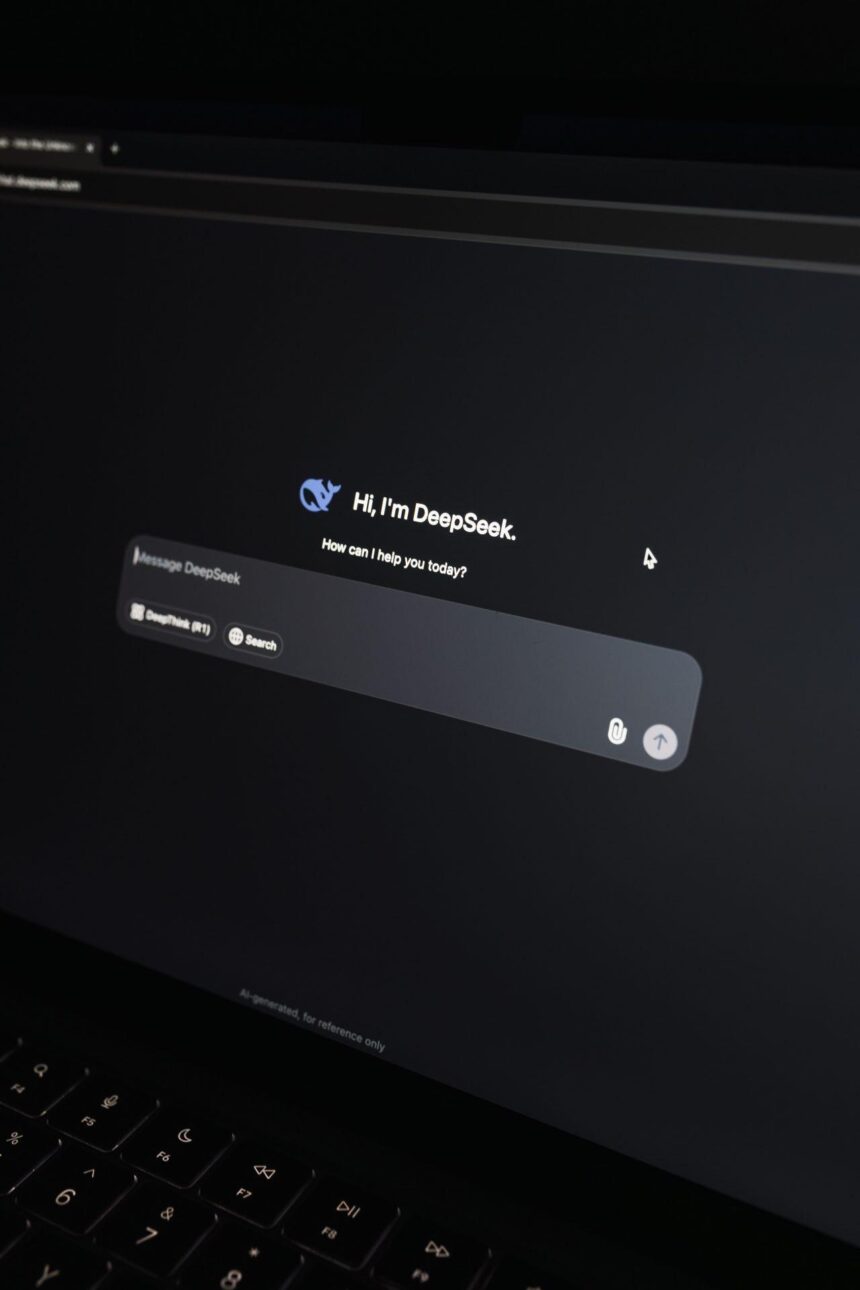

AI’s Growing Influence in Saudi Arabia
Artificial intelligence (AI) is rapidly becoming the primary go-to resource for many Saudis, who are increasingly leaning on AI tools for a variety of tasks ranging from business branding to fitness planning. This shift not only reflects the Kingdom’s swift adoption of AI technologies but challenges traditional expert providers to rethink their roles in the service landscape.
The Rise of AI-Powered Solutions
In Saudi Arabia, more than one million people have been trained in data and AI skills through initiatives like the Saudi Data and Artificial Intelligence Authority’s (SDAIA) SAMAI program, marking the country as a leader in the Arab region for AI sector growth. According to Stanford University’s 2023 Artificial Intelligence Index Report, Saudi Arabia ranks second globally in public awareness of AI.
Entrepreneurs are now utilizing AI platforms to devise branding concepts and marketing ideas prior to seeking professional design services. Many users have turned to chatbots that craft personalized nutrition plans and workout routines tailored to their goals and preferences. These innovations allow consumers to enjoy lower costs and immediate responses while providing recommendations that cater to their individual needs.
Impact on Traditional Professions
The reliance on AI has significant implications for various professional fields. Fitness coaches report that many clients arrive with AI-generated workout plans, only seeking review and refinement of those plans instead of full coaching. Graphic designers are observing a shift, as customers frequently present AI-created concepts. This trend is exerting downward pressure on pricing and raising questions about originality and value in creative services.
In the education sector, language tutors face declining demand as learners look to AI tools, online resources, and apps for their studies. Meanwhile, some educators maintain that specialized subjects requiring advanced technical knowledge still benefit from direct instruction, demonstrating that human interaction remains pivotal in some areas.
Healthcare is witnessing similar trends; doctors find that patients often consult AI before visiting clinics, utilizing medical appointments primarily for confirming or clarifying AI-generated information rather than seeking initial diagnoses. This indicates a fundamental shift in how patients engage with healthcare services.
Why It Matters
The transformation brought about by AI tools is reshaping the landscape of various industries in Saudi Arabia. As AI continues to evolve, the dynamic between professionals and technology will become increasingly complex. Industry experts suggest that AI is not replacing professionals but reorienting their functions toward validating and refining AI-generated information. This shift challenges service providers across sectors to adapt their skills and offerings to remain relevant in a world where AI can quickly generate solutions and information.
Frequently Asked Questions
How is AI impacting traditional industries in Saudi Arabia?
AI is redefining the roles of professionals across various fields, as users increasingly prefer AI-generated solutions for tasks like fitness planning, branding, and language learning over initial consultations with experts.
What initiatives are driving AI adoption in Saudi Arabia?
Training programs such as the SAMAI initiative have equipped over one million individuals with data and AI skills, contributing to Saudi Arabia’s status as a regional leader in AI growth.
What are the benefits of using AI tools for consumers?
AI offers numerous advantages to users, including lower costs, immediate responses, and personalized recommendations tailored to individual needs, which has shifted reliance away from traditional experts.
Are there sectors where human expertise remains essential despite AI advancements?
Yes, sectors requiring specialized knowledge and hands-on experience, such as healthcare and advanced education, still value direct human interaction, illustrating that AI complements rather than fully replaces professional roles.