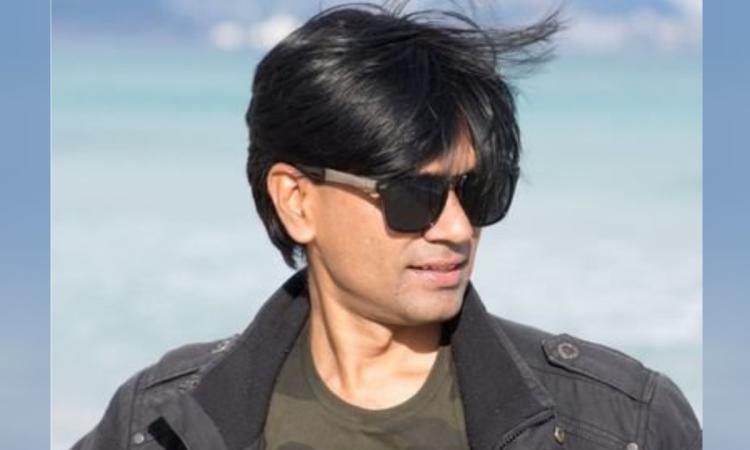

In a recent incident, journalist and fact-checker Mohammed Zubair revealed that the Delhi Police have requested the platform X (formerly Twitter) to remove either one of his posts or his entire account, citing violations of India’s Information Technology Act. Zubair, who co-founded the fact-checking organization Alt News and boasts 1.1 million followers, shared an email from X confirming the request, although it did not specify the details of the alleged violation.
Context of the Request
Mohammed Zubair has been a significant figure in India’s media landscape, particularly in the realm of fact-checking and the fight against misinformation. His tweet, accompanied by a screenshot of the email from X, revealed that the Delhi Police had initiated action against him. The communication indicated a concern over content that allegedly violated the Information Technology Act, yet did not clarify whether the removal request pertained to a specific post or his entire account.
The email from X stated, “In the interest of transparency, we are writing to inform you that X has received a request from Delhi Police regarding your X account, @zoo_bear, that claims the following content violates India’s Information Technology Act.” This vague language raises questions about the nature of the alleged violations and the intentions behind them.
Background on Zubair’s Previous Legal Troubles
This is not the first legal challenge Zubair has faced. In 2022, he was arrested by the Delhi Police on accusations of hurting religious sentiments through a tweet that included a screenshot from a 1983 Hindi film. His arrest was controversial and garnered national attention, leading to multiple cases against him. He spent time in jail until the Supreme Court intervened and granted him bail, emphasizing concerns over freedom of expression in India.
Such incidents have placed a spotlight on the growing tension between individual expression and government regulation in India. Zubair’s previous experiences serve as a reminder of the precarious landscape for journalists and critics of the government, especially concerning issues of religious sensitivity and misinformation.
Statements from the Government and X
The current situation with Zubair echoes earlier instances of government interactions with social media platforms. Notably, it was revealed by Twitter’s co-founder Jack Dorsey in 2023 that the Narendra Modi government had pressured platforms like Twitter to remove content deemed critical of its policies, particularly during the farmer protests in 2020-2021. Dorsey disclosed that the government threatened legal actions against the platform, showcasing the challenges faced by social media in balancing compliance with government requests and maintaining user freedom.
Following the change in ownership to Elon Musk, X has continued to navigate these complex dynamics. The platform’s response to the Indian government’s requests raises questions about its future policies and its commitment to protecting users’ rights amidst increasing governmental scrutiny.
Why This Matters
The implications of Zubair’s situation extend beyond his personal experience; they reflect broader patterns of censorship and the challenges to journalistic integrity and freedom of speech in India. As the government pursues rules that aim to regulate online content more tightly, incidents like this highlight the friction between state authority and media autonomy.
For readers, understanding the stakes involved in such censorship attempts is crucial. The ability of journalists like Zubair to operate without fear of punitive measures is essential to maintaining a healthy democracy and ensuring accountability from those in power. The incident serves as a stark reminder for citizens and media professionals about the importance of safeguarding press freedom in the face of increasing governmental control.
Frequently Asked Questions
What is the basis of the Delhi Police’s request against Zubair?
The Delhi Police has claimed that content posted by Zubair violates India’s Information Technology Act, although specifics regarding which post or aspect of his account are unclear.
What has been the historical context regarding Zubair’s legal challenges?
Zubair was previously arrested in 2022 due to a tweet that allegedly hurt religious sentiments. His case received significant media attention and has raised concerns about press freedom in India.
What do we know about the relationship between the Indian government and social media platforms?
Government requests for content removal from platforms like X have been documented, suggesting a pattern of attempting to stifle dissent and critical voices in the media landscape.
What is the significance of Zubair’s situation for press freedom in India?
His case emphasizes the ongoing struggles against censorship in India, underscoring the importance of protecting journalistic integrity and freedom of expression in a democratic society.