
USCIRF Calls for Accountability for Religious Freedom Violations in India
The U.S. Commission on International Religious Freedom (USCIRF) has raised alarms over the deteriorating conditions for religious minorities in India, particularly under the governance of Prime Minister Narendra Modi and the Bharatiya Janata Party (BJP). They urge the U.S. government to take action against systematic violations of religious freedom, specifically targeting Muslims, Christians, Sikhs, and Dalits.
Concerns Over the Rise of Hindutva Ideology
USCIRF emphasizes that the policies of the Modi administration increasingly reflect the Hindutva ideology propagated by the Rashtriya Swayamsevak Sangh (RSS). The commission points out that this ideology has contributed to growing discrimination against religious minorities. Concerns have been raised specifically about the rise in violence and acts of discrimination that often go unpunished.
The USCIRF particularly expressed apprehension regarding the upcoming visit of Mohan Bhagwat, the RSS chief, noting that individuals associated with the RSS have been implicated in mob attacks against various minority groups. The commission has called for targeted sanctions against RSS members implicated in religious freedom violations, further suggesting that Bhagwat’s visa be revoked to prevent his entry into the U.S.
Criticism of Anti-Conversion Laws and Citizenship Policies
The USCIRF report highlights the violent enforcement of anti-conversion laws that disproportionately affect Christians and other minority communities. Vigilante groups often commit these acts in the name of preserving Hindu culture, leading to an atmosphere of fear and marginalization among the affected groups.
Moreover, policies such as the National Register of Citizens and the Citizenship Amendment Act have increasingly marginalized Muslims, particularly in Assam. Through these policies, the Indian government has forcibly expelled some Muslim residents, raising concerns about their legal status and rights in the country.
Restrictions on Civil Society and Faith-Based Organizations
The report also notes a significant increase in restrictions affecting civil society organizations. Proposed amendments to the Foreign Contribution Regulation Act could threaten the ability of faith-based organizations to operate freely in India. This is detrimental not only to religious groups but also to the broader fabric of civil society that relies on such organizations to advocate for marginalized communities.
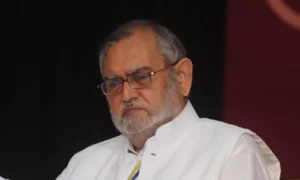
Asif Mahmood, Chair of USCIRF, has warned that the deteriorating conditions for religious freedoms in India are emblematic of a larger trend of intolerance. It is imperative, he argues, for the U.S. to leverage its foreign policy to signal that religious freedom is a crucial aspect of its relationship with India.
Why It Matters
The significance of these findings extends beyond U.S.-India relations; they reflect ongoing global challenges regarding religious freedoms and the treatment of minority communities. For the AI industry, awareness of social dynamics is essential as community perceptions can significantly impact platforms and applications. Companies operating in or with ties to India will need to navigate these sensitivities carefully to maintain ethical standards and avoid complicity in discrimination. Furthermore, developers must consider how these socio-political factors can influence the deployment of technology in sensitive environments.
Frequently Asked Questions
What is the USCIRF?
The U.S. Commission on International Religious Freedom (USCIRF) is an independent, bipartisan government body that monitors religious freedom conditions internationally and offers recommendations on policies to combat religious persecution.
Why are anti-conversion laws problematic?
Anti-conversion laws are seen as problematic because they disproportionately affect religious minorities, leading to increased discrimination, violence, and social exclusion, particularly against Christians and Muslims in India.
What is the National Register of Citizens?
The National Register of Citizens (NRC) is a government initiative aimed at identifying illegal immigrants in India, which has been criticized for disproportionately targeting Muslims who may lack documentation to prove their citizenship.
What actions has USCIRF recommended against Indian officials?
USCIRF has recommended that the U.S. government consider targeted sanctions against RSS members and Indian officials involved in violations of religious freedom, and called for the revocation of visas for individuals like Mohan Bhagwat associated with these violations.