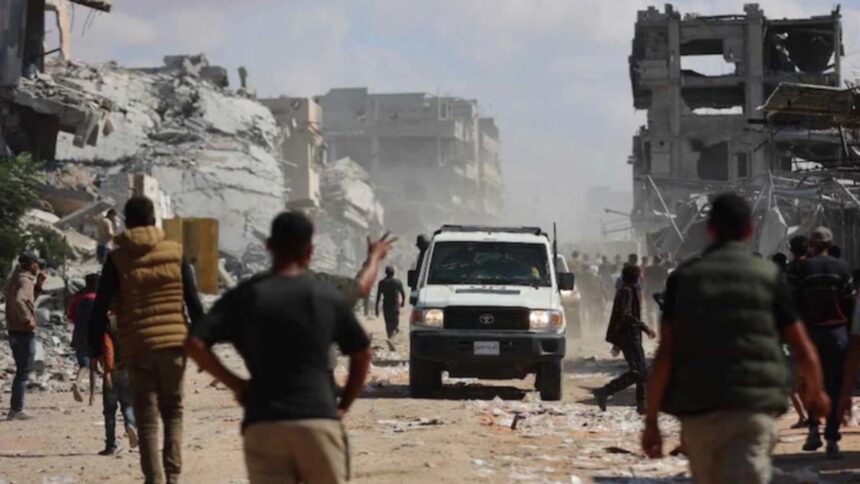

Escalation in Southern Lebanon Amidst Regional Tensions
Israel’s military operations in southern Lebanon have intensified, with Prime Minister Benjamin Netanyahu affirming that the Israeli forces will not withdraw from the occupied territories. The situation is drawing international attention as the repercussions become evident, particularly affecting the lives of civilians in the region.
Civilians Caught in Conflict
Lebanon’s Hezbollah organization has reported an alarming trend of Israeli assaults targeting innocent civilians. Recent attacks resulted in two fatalities and several injuries among people attempting to return to their homes in southern Lebanon. This cycle of violence underscores the humanitarian crisis unfolding as communities are disrupted and safety remains elusive. Such actions have drawn condemnation from various humanitarian organizations and exacerbate the already precarious conditions in the region.
Geopolitical Implications of Strait of Hormuz Tensions
In a separate yet equally critical development, U.S. Secretary of State Marco Rubio, following a meeting in Bahrain, affirmed that Washington along with its Gulf allies, will not concede to Iranian demands regarding fees or restrictions on transit through the strategically vital Strait of Hormuz. This body of water is a crucial shipping route for a significant portion of the world’s oil supply. The Iranian Islamic Revolutionary Guard Corps (IRGC) has issued strong warnings against unauthorized crossings, adding another layer to the ongoing geopolitical strife that could impact global energy markets.
Why It Matters
The situation in southern Lebanon and the Strait of Hormuz is indicative of larger geopolitical dynamics that can have far-reaching consequences. Understanding these conflicts is essential for global players, including developers and users in the tech industry, as they may impact economic conditions and market stability. Moreover, the potential for military escalation in these regions not only affects regional stability but could disrupt international trade routes and energy supplies, making it a pertinent issue for various sectors, including AI and technology.
Frequently Asked Questions
What is the current situation in southern Lebanon?
Israel continues military operations in southern Lebanon, with reported casualties among civilians trying to return home, leading to heightened tensions in the region.
How has Hezbollah responded to the Israeli attacks?
Hezbollah has accused Israel of deliberately targeting civilians and has reported casualties among individuals attempting to return to their homes in southern Lebanon.
Why are the Strait of Hormuz tensions significant?
The Strait of Hormuz is a critical waterway through which a significant portion of the world’s oil supply is transported. Tensions here could disrupt global oil markets and trade.
What role does the U.S. play in the regional tensions?
The U.S. is actively working with Gulf allies to oppose Iranian influence and protect maritime navigation in the Strait of Hormuz, showcasing its ongoing involvement in Middle Eastern geopolitics.