
Summary
Authorities in Uttar Pradesh, India, have faced criticism following the demolition of a mosque and the subsequent filing of criminal charges against seven individuals linked to the mosque committee for displaying religious posters and flags. This incident highlights growing concerns regarding the treatment of ordinary expressions of faith as suspect, amidst broader societal trends of discrimination against Muslims in India.
The Incident: Demolition and Criminal Charges
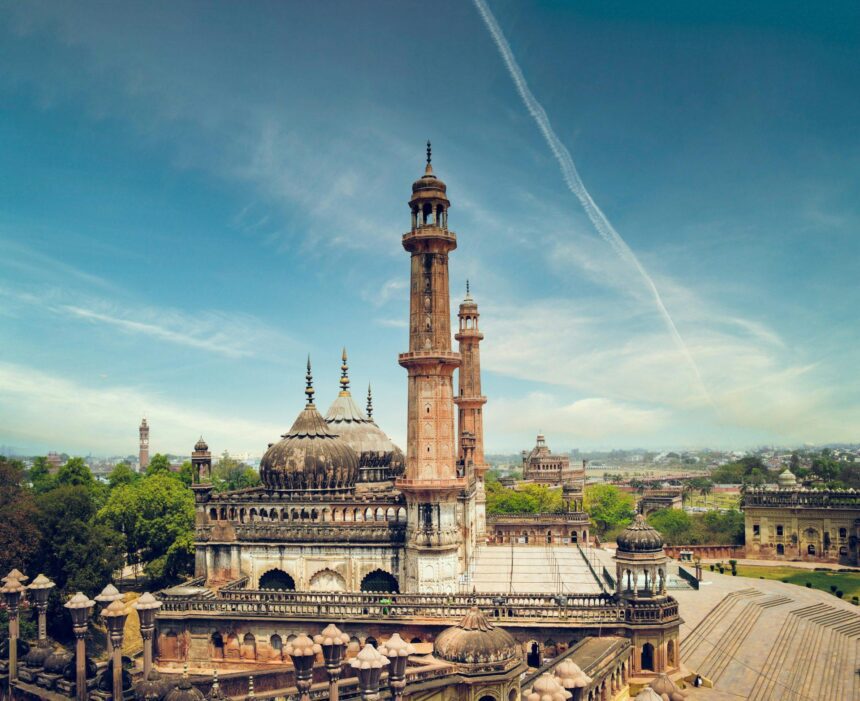
The demolition of the Mustafa Qadri mosque in Sambhal district took place during an anti-encroachment operation, with authorities claiming the structure occupied government cemetery land. The mosque committee was unable to provide proof of ownership in legal proceedings, which had already been challenged in appeals that proved unsuccessful.
However, the situation escalated when police discovered posters reading “I Love Mohammad” and green Islamic flags within the mosque premises. Authorities characterized these items as “objectionable material,” prompting concerns among Muslim leaders who argue that such expressions are commonplace symbols of faith rather than criminal evidence.
Police officer Krishna Kumar Bishnoi confirmed that an investigation has been launched to ascertain who was responsible for placing the items inside the mosque. Additional Superintendent of Police Kuldeep Singh echoed this perspective, stating that the legal actions followed the discovery of the materials during the demolition process.
Community Reaction and Political Backlash
The demolition and the legal repercussions faced by the mosque committee have prompted significant backlash from local residents and Muslim leaders. Many argue that the mosque had served the community for decades and that its removal represents more than just a property dispute; it is indicative of broader social exclusion and discrimination faced by Muslims in India.
MP Zia Ur Rehman Barq criticized both the demolition of the mosque and the actions taken against its members. He made headlines with his bold statement, “I will say ‘I Love Muhammad.’ If you have courage, hang me,” reflecting the intense scrutiny under which expressions of Islamic faith are placed in the current political climate.
As similar incidents of mosque demolitions and policing of Islamic symbols increase across India, many Muslims feel their rights to religious expression are becoming increasingly vulnerable. This widening scrutiny generates fears of marginalization within a society that is purportedly secular and diverse.
Legal Framework and Historical Context
The legal and political landscape surrounding this incident reveals a complicated history of land ownership disputes in India, particularly concerning religious structures. The Uttar Pradesh government has a history of contentious anti-encroachment drives, often disproportionately affecting Muslim establishments. These operations tend to coincide with political rhetoric that frames Muslims as encroachers rather than long-standing community members.
Critics argue that governmental actions are not just about land disputes but rather part of a broader strategy to erase Muslim cultural presence and identity. The recovery of “objectionable materials” further intensifies the atmosphere of fear where even benign expressions of faith are scrutinized and prosecuted. This approach has led to a growing sentiment among Muslims that their religious and cultural identity is under siege.
Why It Matters
This incident has far-reaching implications beyond the immediate geographical locale. It underscores a rising trend of state-sanctioned discrimination that can have profound effects on social cohesion within India. The characterization of religious expressions as criminal serves as a precedent that may encourage further marginalization of minority communities.
Moreover, the case highlights concerns related to freedom of expression, not just within the barriers of religious identity, but also concerning civil liberties in a democracy. The international community observes how India manages its religious diversity, potentially influencing diplomatic relations and economic interactions based on domestic human rights standards.
Frequently Asked Questions
What led to the demolition of the Mustafa Qadri mosque?
Authorities claimed the mosque was occupying government cemetery land and that the mosque committee failed to provide adequate proof of ownership during legal proceedings.
What charges have been filed against the mosque committee members?
Seven individuals linked to the mosque committee have been charged after police recovered religious posters and flags, which authorities described as “objectionable material.”
How is this incident affecting the Muslim community in India?
This incident has amplified concerns among the Muslim community regarding rising social exclusion, discrimination, and the shrinking space for religious expression in India, contributing to feelings of marginalization.
What are the broader implications of actions like these on Indian society?
Incidents like this raise questions about religious freedom, civil rights, and social cohesion within India, potentially affecting the country’s standing as a secular democracy and its relationships on the global stage.