Recent student protests in India have drawn attention to the precarious position of Muslims under the Modi government, spotlighting systemic discrimination and social exclusion. While the Cockroach Janata Party (CJP) protests raised critical issues affecting youth, they also revealed deep-seated hesitations regarding the inclusion of Muslim identities and political histories in mainstream dissent.
The Dual Faces of Protest: Inclusion and Exclusion
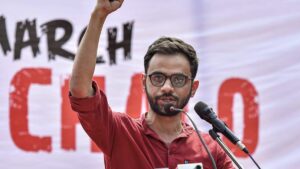
Over the past month, student protests led by the CJP have challenged the Modi government and resulted in the resignation of Education Minister Dharmendra Pradhan. Despite these successes, the movement has illustrated a crucial fault line within Indian politics: the selective inclusion of Muslim voices. The participation of Muslim students came with a significant backdrop of fear and historical repression following the anti-CAA protests, where leaders like Umar Khalid and Sharjeel Imam continue to remain imprisoned. The participation of Muslims in the CJP movement was often contingent upon their willingness to leave behind their unique political struggles, raising questions about authentic solidarity.
The Burden of Identity in Political Discourse
Umar Khalid’s name alone is enough to spark assumptions about community loyalty and political motives, limiting the scope of his arguments about educational reforms. This illustrates how Muslim identities are often weaponized in political discourse—what could be universal concerns become highly politicized. The hesitance to mention Khalid in a movement that otherwise claims to represent India’s youth embodies a broader challenge: the marginalization of Muslim political discourse. Voices within the CJP showed an unwillingness to confront the uncomfortable realities about the state’s treatment of Muslims, revealing a profound disconnect between the goals of the movement and the historical grievances carried by Muslim youth.
Recent Protests: A Study in Contrast
The contrast between the CJP movement and the earlier anti-CAA protests could not be more pronounced. While the anti-CAA protests led to brutal crackdowns and systemic violence—claiming the lives of over fifty, mostly Muslim, individuals—the recent CJP protests garnered a different response from the state. The government has shown a willingness to engage in dialogue with CJP leaders, highlighting a troubling degree of selective legitimacy towards youth dissent. Muslim youth, however, continue to experience disproportionately harsh policing and social exclusion, exemplifying how some forms of dissent are recognized as legitimate while others are criminalized.
Why It Matters
The implications of these dynamics extend beyond the realm of education or political discourse; they signal evolving trends in Indian democracy and the treatment of minority communities. For developers and users creating tools and technologies within the realm of social justice, understanding the nuances of how identity impacts political engagement is crucial. Additionally, the disparity in the treatment of various communities by the state reflects broader issues regarding equity, inclusivity, and representation. This understanding can inform the development of AI tools that prioritize equitable representation and rights for marginalized groups.
Frequently Asked Questions
What sparked the recent protests in India?
The protests were primarily fueled by issues within the education system, culminating in the resignation of Education Minister Dharmendra Pradhan after widespread dissent organized by the Cockroach Janata Party (CJP).
How have Muslim voices been treated in these protests?
Muslim participants have often faced exclusion or coercion to conform to a universal narrative, with their unique political histories and grievances sidelined in the discourse.
What does the state’s response to these protests indicate?
The state’s willingness to negotiate with CJP leaders contrasts sharply with its treatment of leaders from earlier movements, showcasing selective engagement with youth dissent based on political affiliations.
Why is solidarity among protest movements important?
Solidarity is vital for collective political action and ensuring that all voices can be included in discussions about rights and representation, especially for marginalized communities like Muslims in India.