
Growing Concerns of Discrimination Against Indian Muslims
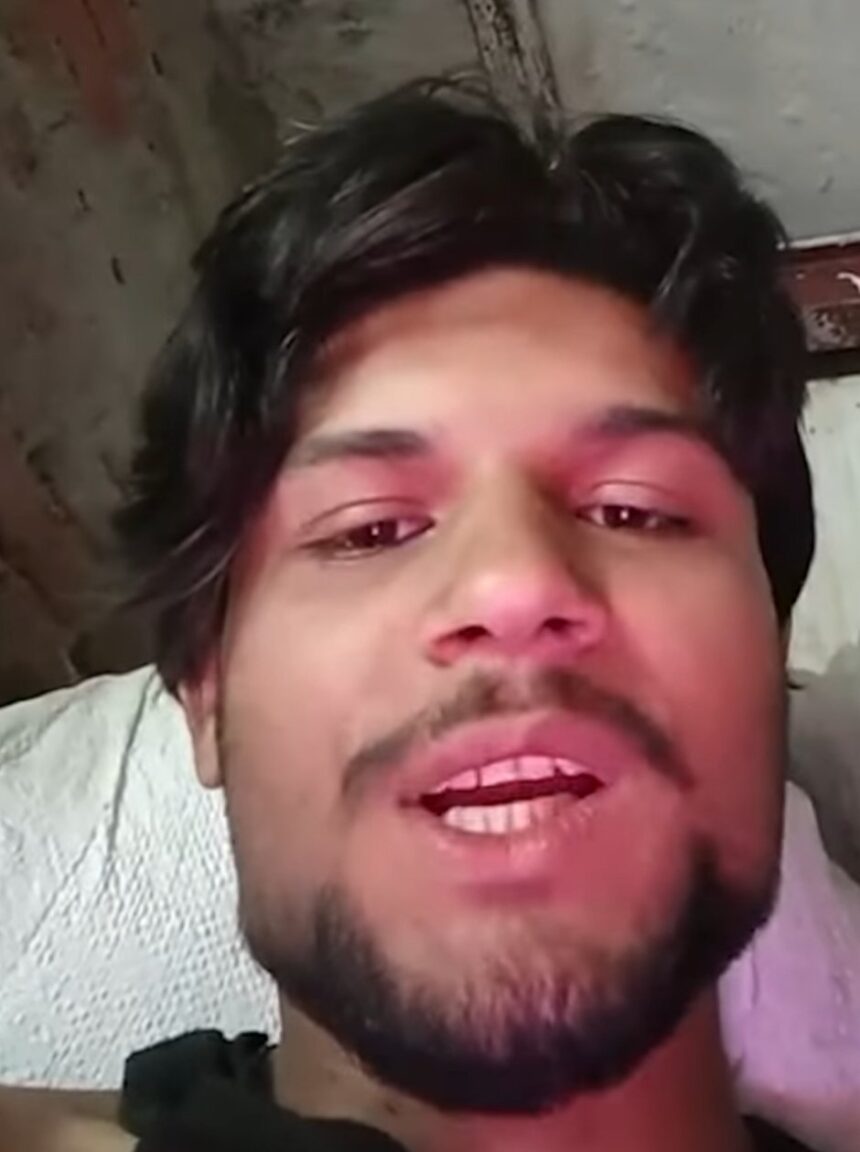
The recent revelations of online conversations via an Omegle-style app have highlighted troubling sentiments among certain Indian men towards Muslim communities. A series of videos, posted by a YouTuber disguised as a Muslim, draw disturbing connections between religious loyalty and nationalism, suggesting an alarming trend of discrimination and exclusion faced by Indian Muslims under the current political landscape.
Provocative Claims and Public Reaction
In the videos shared extensively around August 15, 2026, men made extreme assertions regarding Muslim identity and loyalty. One individual boasted about attempting to convert seven schoolgirls, emphasizing loyalty only to the Ummah and Pakistan. Another from Bengaluru expressed aspirations for India to transform into an Islamic state and indicated a willingness to support Pakistan in potential conflicts. Such claims not only spark outrage but also fuel debates surrounding national identity, loyalty, and the societal role of Muslims in India.
The Political Climate and Muslim Marginalization
The current political environment, governed by the Bharatiya Janata Party (BJP) and supported by associated organizations like the Rashtriya Swayamsevak Sangh (RSS), has fostered a climate where anti-Muslim sentiments can thrive. Previous governmental policies and social rhetoric have increasingly marginalized Muslim communities, often labeling them as outsiders and questioning their place in the nation. This growing marginalization has been linked to various instances of social exclusion, economic boycotts, and systemic discrimination against Muslims in India.
Exploration of Economic Boycotts and Social Exclusion
The impact of discrimination extends beyond social interactions into economic spheres. Reports indicate that Muslim-owned businesses have faced boycotts, stemming from calls for Hindu consumers to avoid Muslim establishments. This economic exclusion not only affects individual livelihoods but also represents a broader attempt to isolate Muslim communities from mainstream economic opportunities. Discrimination in housing, employment, and education often follows, perpetuating cycles of poverty and exclusion that disproportionately affect Muslims in India.
Why It Matters
The growing discrimination towards Indian Muslims is not just a national concern; it resonates on a global scale, highlighting issues of human rights and social justice. Understanding the complexities of this situation is essential for international observers, policymakers, and human rights advocates. The implications of these discriminatory practices extend into discussions around migration, asylum policies, and international relations, particularly as they relate to the broader fabric of religious tolerance and coexistence in diverse societies. Countries observing these trends must also reflect on their own policies of inclusion and equity.
Frequently Asked Questions
What sparked the recent discussions around discrimination against Indian Muslims?
The discussions were ignited by videos shared by a YouTuber who, while posing as a Muslim, captured alarming sentiments from men on an online platform, including extreme views on loyalty and religion.
How has the political environment influenced attitudes towards Muslims in India?
The BJP and RSS have fostered a political climate that enables anti-Muslim sentiments, contributing to the marginalization and societal exclusion of Muslim communities across India.
What types of discrimination are Indian Muslims facing today?
Indian Muslims are experiencing social exclusion, economic boycotts, discrimination in housing and employment, and systemic marginalization that affects many aspects of their lives.
Why should the global community be concerned about the treatment of Muslims in India?
The treatment of Muslims in India raises significant issues of human rights and social justice, impacting international discussions on migration and the responsibilities of nations to uphold values of equity and inclusion.