
Summary
Manipal Health Enterprises has released its strong Q2-FY27 results, with improved profitability driven by existing hospital ramp-ups despite modest bed expansion plans. This signals both robust current performance and potential future challenges in maintaining growth pace.
Strong Financial Performance in Q2-FY27
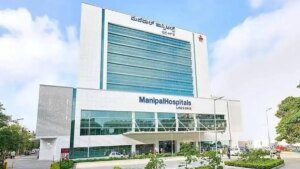
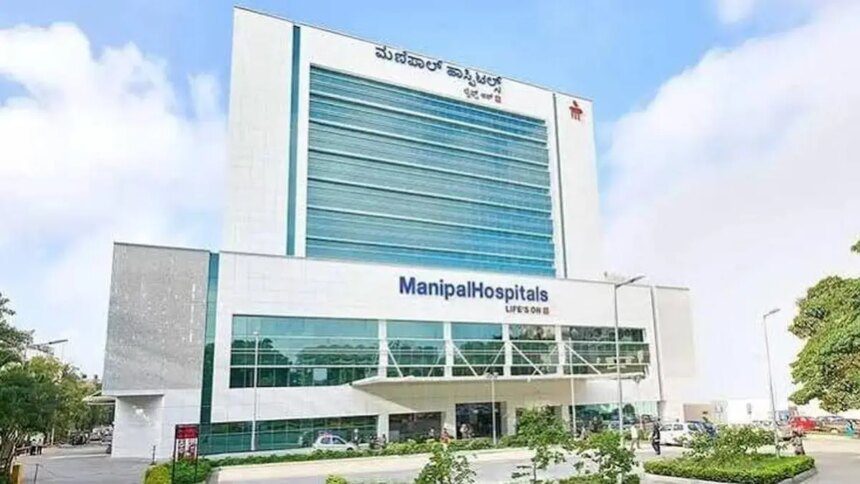
Manipal Health Enterprises has witnessed a remarkable performance for Q2-FY27, with EBITDA margins surpassing market expectations. The company achieved an EBITDA margin increase of 110 basis points above consensus estimates and 50 basis points above analysts’ expectations. This growth is primarily attributed to the successful operational improvements at its Kanakapura and Yelahanka hospitals, which have significantly ramped up their margin contributions. However, it faces pressures from the new Electronic City hospital, which is still incurring EBITDA losses.
Growth Strategies and Challenges
Despite its profitability, Manipal Health’s future growth appears constrained compared to its industry peers. The company’s strategy entails adding only 500 beds over the next 18 months, a relatively conservative approach. This limited expansion may impact the company’s ability to capture market share and drive revenues, especially as Indian healthcare demand continues to surge. In contrast, competitors are actively investing in larger expansions, which could position them advantageously in a rapidly growing market.
Market Context and Future Projections
In light of its strong H1 performance, Manipal Health has upgraded its revenue projections for FY27-29 by 3–6%. Its target price has also been adjusted from ₹750 to ₹780, based on a valuation of 26 times its forecasted EV/EBITDA for September 2028. However, analysts have retained a ‘Neutral’ rating, citing limited short-term upside potential against the backdrop of a challenging industry landscape.
What This Means
The strong financial results of Manipal Health showcase the company’s current operational prowess in hospitals with established foundations. Yet, the conservative bed addition plan raises concerns about its future growth trajectory, especially as the Indian healthcare sector evolves. The proposed merger with QCIL could also have significant implications for operational efficiency and market positioning if successful.
Moreover, the healthcare landscape in India is characterized by fierce competition, particularly in regions like Kerala where infrastructure and funding challenges are prevalent. Thus, while current figures are promising, the sustainability of this performance hinges on strategic operational decisions as well as external market dynamics.
Frequently Asked Questions
What are the key financial highlights for Manipal Health in Q2-FY27?
The company reported a strong increase in EBITDA margins, outperforming expectations by 110 basis points, attributed primarily to the successful operation of existing hospitals.
How does Manipal Health’s growth strategy compare to its peers?
Manipal plans to add only 500 beds in the next 18 months, a more conservative approach compared to industry peers, who are frequently opting for aggressive expansion strategies.
What are the risks facing Manipal Health Enterprises?
Key risks include potential lower patient footfalls at new facilities, inefficient fund allocation for expansions, and the risk of cannibalization across brands following any merger activity, which may negatively impact volumes and margins.
How might the proposed merger with QCIL affect Manipal Health?
The merger could lead to improved operational metrics and margin accretion if successful, but it also poses risks related to integration and brand management within their network.