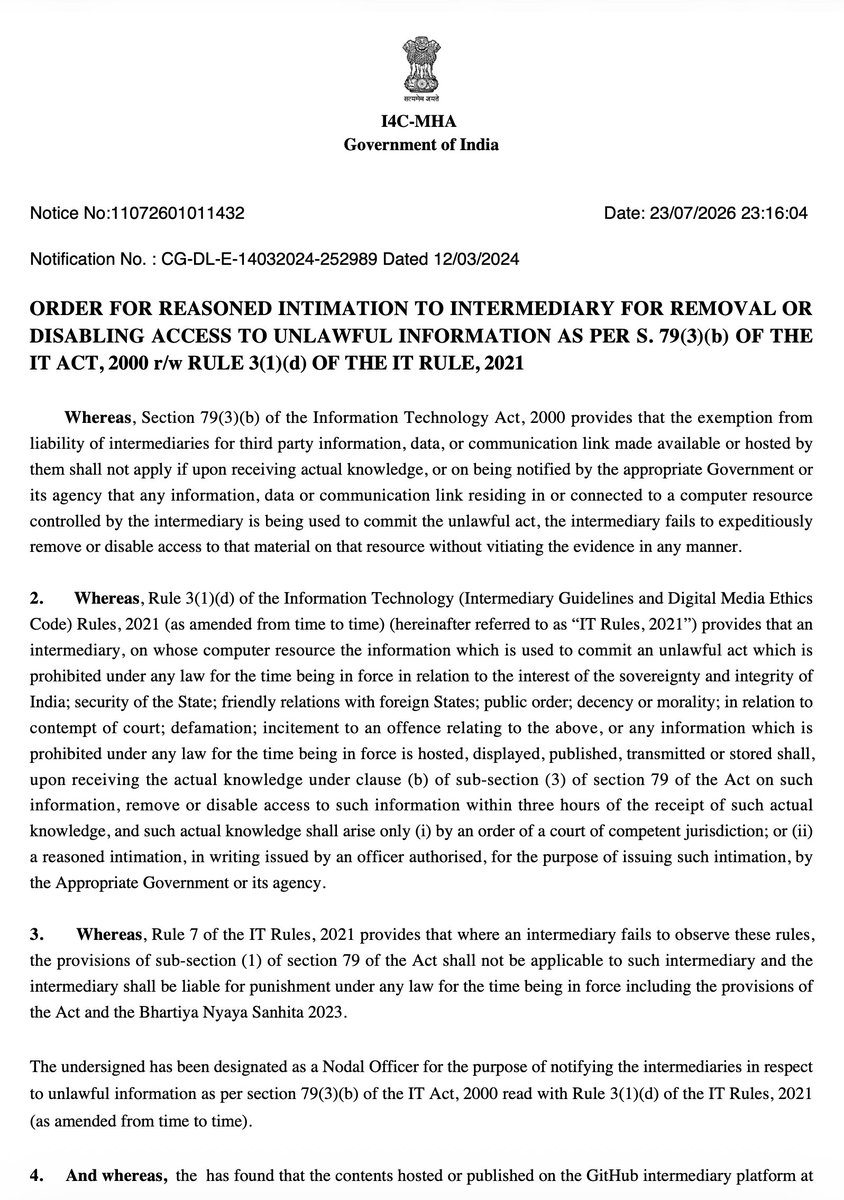

Former Twitter CEO Jack Dorsey has raised concerns regarding the Indian government’s intention to ban a software called Bitchat. This application allows users to communicate over Bluetooth by establishing a mesh network, making it particularly useful for communication during protests or crises when mobile communication may be disrupted.
Context of the Ban
The Indian government’s move to ban Bitchat highlights its ongoing struggles with technologies that enable decentralized communication. Bitchat allows users to send messages and multimedia files without relying on traditional mobile networks, which can be vulnerable to shutdowns during situations like protests. The app’s functionality resonates deeply in regions where freedom of expression is critical yet can be suppressed by governmental actions.
Response from Civil Society and Activists
The reaction to the government’s proposal has been one of condemnation from various civil society groups and activists who view it as an infringement on free speech. These critics argue that such restrictions hamper democratic engagement, especially in a country with a robust history of public protests. Furthermore, many believe that the government’s maneuver highlights a broader trend of authoritarianism in digital governance, raising alarms about civil liberties in India.
The Importance of Decentralized Communication
Decentralized communication, exemplified by apps like Bitchat, plays a crucial role in empowering citizens to share their thoughts and mobilize for causes without government oversight. This method minimizes the risk of censorship and enhances grassroots organizing. As witnessed during protests in Jantar Mantar and similar locations, tools that enable direct peer-to-peer communication become vital for social movements striving for justice and accountability.
Why This Matters
This issue bears significant political implications for India, as it reflects not only on the government’s approach to technology and communication but also on broader themes of freedom, censorship, and civil liberties. The proposed ban on Bitchat may serve as a signal to tech developers and users about the state’s intent to monitor and control digital spaces. Such a development raises essential questions about the future of democracy in India and the extent to which citizens can freely express themselves.
Frequently Asked Questions
What is Bitchat?
Bitchat is a communication software that allows users to send messages and multimedia files via Bluetooth, establishing a mesh network that operates independently of traditional mobile networks.
Why is the government considering a ban on Bitchat?
The Indian government is concerned about the potential misuse of decentralized communication technologies like Bitchat, which can facilitate protests and unrest without the ability to monitor or intercept communications.
What are the implications of such a ban on digital freedom in India?
A ban on Bitchat could set a precedent for further restrictions on digital communication tools, raising concerns regarding civil liberties and the state’s ability to control narrative and dissent in the digital age.
How has this situation been received by the public and civil rights activists?
The public and civil rights activists have largely condemned the government’s proposed ban, viewing it as an infringement on free speech and a tactic to stifle dissent in a democratic society.