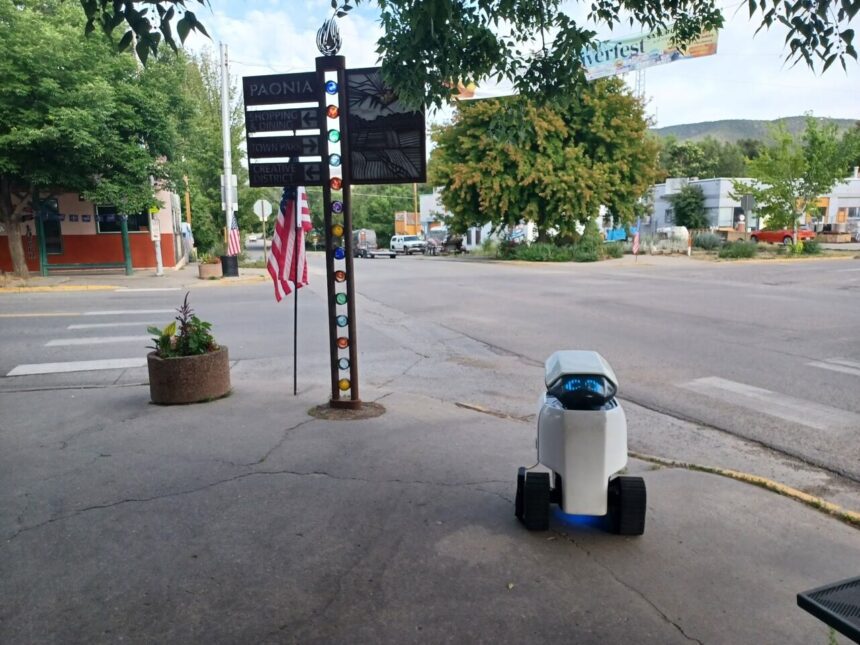

In a small Colorado town of Paonia, high-tech surveillance methods, including robots and AI-enabled cameras, have sparked a fierce controversy over privacy and governance. The local community is now grappling with the implications of advanced technology in everyday life, prompting discussions about citizen rights and public safety.
Rising Tensions Over Surveillance
Last summer, residents of Paonia were taken aback by the sudden appearance of data-gathering robots on their sidewalks. Initially introduced to assess how accessible the town’s thoroughfares are for people with disabilities, the robots stirred curiosity but also concern when it became evident that they were capturing images of townspeople, including children. Adding fuel to the fire, surveillance cameras were installed around town hall and other public spaces last fall, monitoring various activities without public consent. This rapid technological advancement has led to intense community backlash, reminiscent of previous controversies over mosquito fogging in the early 2000s. Community activist Pete McCarthy emerged as a vocal critic of these measures. He characterized the cameras as tools of surveillance rather than security, prompting discussions about their ethical implications and potential violations of civil rights. As the situation escalated, town officials faced mounting criticism; the town administrator resigned amid allegations of threats to his safety, and calls for the mayor’s recall began circulating.Data Privacy Concerns and Lack of Oversight
The surveillance cameras were purportedly acquired to deter vandalism, a justification many residents found insufficient. McCarthy, who has experience in software engineering, analyzed town records revealing alarming information about how these cameras were being utilized. His investigation disclosed that the cameras had capabilities for facial recognition and were frequently accessed by local law enforcement. Furthermore, the town lacked a formal policy governing the use of surveillance data, raising significant concerns about privacy violations. With the revelation that the cameras could store permanent video archives of images and that data had already been posted online, many residents became increasingly uneasy. The implications of such an unregulated surveillance system raised alarms not only about individual privacy but also about the potential for misuse of data by authorities.The Future of Governance in Paonia
Following the community uproar, the town board voted to remove the cameras, but the damage to public trust had already been done. Discussions now center around the future governance of Paonia, as McCarthy spearheads a recall petition against the mayor while also proposing to revive public participation in decision-making processes. While the town plans to shift its focus towards upgrading its water system, upgrading to “smart meters” has sparked new debates about data collection practices. Critics like McCarthy warn that these meters could track residents’ water usage patterns and potentially mark when they are home or away, another invasion of privacy in a town still wrestling with its recent surveillance crisis.Why This Is Trending
This story resonates with many Indians, as concerns over privacy, surveillance, and governance are increasingly prevalent in urban India. As the government introduces more technology in public spaces, citizens are becoming more aware of their rights regarding data security and privacy. The technical advancements may promise enhanced urban living but often come with ethical dilemmas that provoke important discussions about the balance between security and civil liberties.Frequently Asked Questions
What triggered the backlash in Paonia?
The backlash was primarily triggered by the installation of AI-enabled surveillance cameras and data-gathering robots without prior public consultation, which led to concerns over privacy rights and government oversight.
Who is Pete McCarthy, and what role did he play?
Pete McCarthy is a community activist and software engineer who raised awareness about the implications of surveillance technology in Paonia. He directly questioned the effectiveness and ethicality of these technologies, leading to community action against their use.
What happened to the local officials involved?
Following the controversy, the town administrator resigned amidst accusations of receiving threats, and there are ongoing discussions about recalling the mayor. Public trust has significantly diminished as a result of the crisis.
How does this situation relate to broader concerns in India?
This situation exemplifies growing fears over surveillance and data privacy, issues that are becoming increasingly important in urban India as technological advancements continue to permeate everyday life.