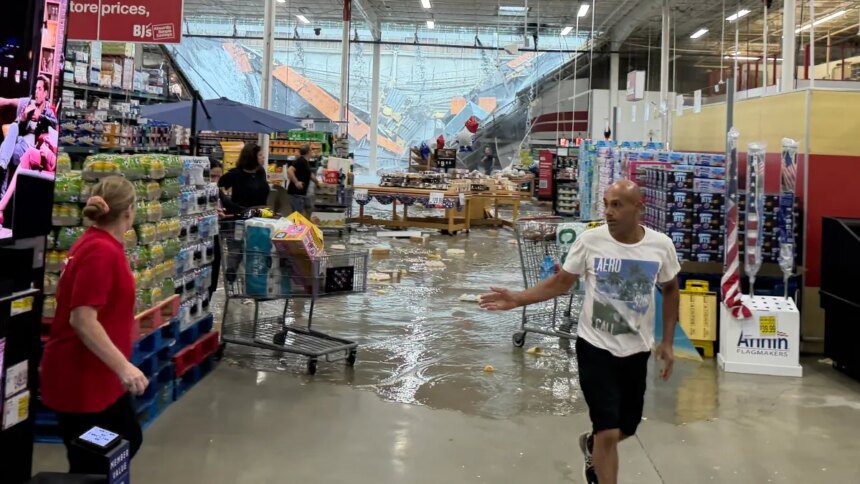

The tri-state area in the United States is bracing for severe weather, with the potential for up to three inches of rain per hour. This situation raises concerns about flash floods, impacting public transport and infrastructure, particularly in New York City and parts of New Jersey. Mayor Zohran Mamdani has advised residents to limit travel and prepare for possible emergencies.
Severe Weather Conditions Ahead
The ongoing storm system has unleashed powerful weather patterns across the tri-state area, with New Jersey facing some of the heaviest rainfall. Predictions indicate rainfall rates could reach alarming heights of up to three inches per hour until Monday night. The National Weather Service issued flash flood warnings for New York City, select regions in New Jersey, and parts of Long Island, emphasizing the urgency of the situation.
Particularly hard-hit areas include the Jersey Shore, where significant flooding has already been documented. Early reports are highlighting the potential for isolated rainfall totals exceeding four inches by the end of the day, raising red flags for transportation systems and emergency services in the region.
Public Transport at Risk
The storm’s impact on public transport can already be felt, with NJ Transit reporting disruptions due to the ongoing adverse weather conditions. The NYC subway system, although designed to handle rainfall rates of up to 1.75 inches per hour, is in jeopardy if the rains persist at two inches per hour, as flooding can occur swiftly and without warning.
Mayor Mamdani’s advisory to New Yorkers is clear: stay updated with weather alerts and limit travel as much as possible. As many residents nervously navigate the storm, the city’s infrastructure faces a serious test, not only from the deluge of water but also from debris that can block drains and cause additional complications.
Preparing for the Storm’s Impact
As the storms continue to batter the region, citizens are urged to prepare adequately. Mayor Mamdani’s suggestions include ensuring you have an emergency kit, staying informed via local news on weather developments, and considering alternate travel plans. The potential for major power outages and transit delays is high, making it essential to have contingency plans in place.
Cleanup efforts are still in progress from prior storms that struck the area, and with this new wave of severe weather, residents should be vigilant. Local authorities are stressing the importance of heeding safety warnings and staying indoors whenever possible, particularly during peak rainfall periods.
Why This Is Trending
This weather phenomenon has caught the attention of many, not only in the tri-state area but globally, as severe weather events seem to be on the rise in various parts of the world. For Indian audiences, this serves as a reminder of the urgent need for climate resilience and preparedness in the face of natural calamities. As India faces its own weather challenges during monsoon season, the developments in the US prompt reflective discussions on urban infrastructure, emergency preparedness, and systemic vulnerabilities exposed by extreme weather.
Frequently Asked Questions
What are flash flood warnings?
Flash flood warnings are alerts issued by authorities when conditions are present for rapid flooding due to heavy rainfall. They advise residents to take immediate action to protect themselves and their property.
How can I prepare for floods in my area?
You can prepare by creating an emergency kit, developing a family evacuation plan, and staying informed about local weather conditions through trusted news sources and alerts.
What should I do if I’m caught in a flood?
If you are caught in a flood, move to higher ground immediately and avoid walking through flowing water. Never attempt to drive through flooded areas; it’s safer to stay put until authorities indicate it’s safe to leave.
How is transportation affected during heavy rain and flooding?
Heavy rain and flooding can lead to significant delays and disruptions in transit services. Rail and subway systems may be at risk of flooding, leading to operational challenges, while roadways can become impassable due to rising water levels.