
New Madhya Pradesh Waqf Board Highlights Shifts in Governance
The recent reconstitution of the Madhya Pradesh Waqf Board under the amended Waqf law has stirred discussions, particularly concerning the inclusion of non-Muslim members in a board traditionally focused on the welfare of the Muslim community. This is significant as the board aims to enhance financial transparency and management while addressing long-standing issues of mismanagement and irregularities.
Changes and Controversies in Board Composition
The Madhya Pradesh government has made history by reconstituting the Waqf Board with a 10-member panel including two non-Muslim financial experts and four women members. This move, endorsed by Animesh Bhargava, who has been appointed as a financial advisor, aims to instill greater transparency and accountability in managing Waqf properties.
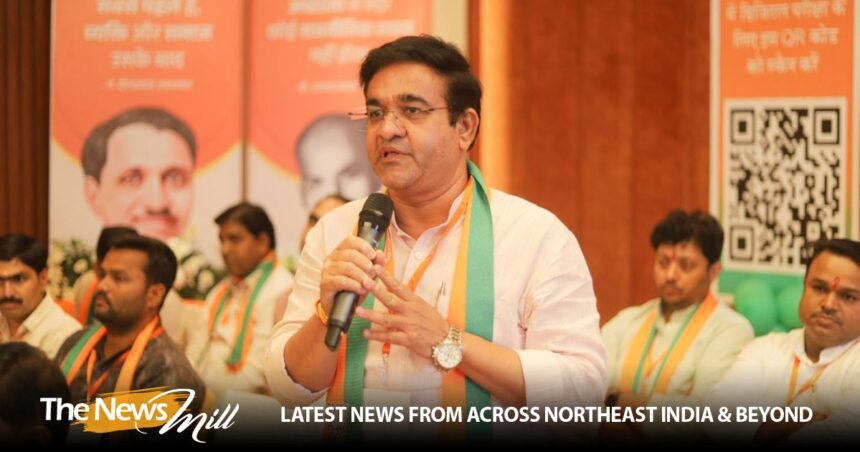
Bhargava, who has two decades of experience in finance, has been vocal about the previous financial mismanagement issues plaguing the board. He stated, “Earlier, there were complaints regarding financial irregularities and mismanagement of Waqf properties.” His presence as a non-Muslim member has sparked a mix of support and criticism, igniting a debate on the board’s composition and its implications for the Muslim community.
Response to Criticism and Claims of Vested Interests
In light of the objections regarding the appointment of non-Muslim members, Bhargava has asserted that the focus should be on the professional expertise brought to the board rather than religious identity. He emphasized, “The Waqf Board has nothing to do with religion. We are here to work for the welfare of society.” This notion of merit-based appointment amidst significant scrutiny brings forth concerns about social inclusion and representation within religious organizations.
Moreover, Bhargava has accused certain leaders, including some influential Muslim figures, of undermining the board for personal gain. He remarked, “Those opposing the board are doing so because their personal interests are being affected.” This statement highlights a narrative of vested interests potentially sidelining the welfare of the community that the Waqf Board is meant to serve, further complicating the board’s operations.
Implications for Societal Dynamics
The reformation of the Madhya Pradesh Waqf Board marks a significant shift in governance but raises alarms about potential marginalization of Muslim voices within a predominantly Hindu political landscape. Critics argue that including non-Muslim members in sensitive roles traditionally occupied by Muslims could signal an erosion of community agency and self-representation.
Furthermore, as seen in Bhargava’s push for financial integrity, the issue of property mismanagement underscores a need for serious structural reforms. The existing grievances of the community about the allocation of Waqf properties and exploitation by influential individuals must be addressed transparently to alleviate growing tensions.
Why It Matters
This development sheds light on broader societal dynamics and the intersectionality of governance, religion, and financing within minority communities in India. The inclusion of non-Muslim members in a Waqf Board raises critical questions about equitable representation and the potential for economic marginalization of the Muslim community. As policy frameworks evolve, understanding such dynamics is crucial for lawmakers and stakeholders to foster an inclusive societal structure, which could have far-reaching effects on minorities and their socio-economic standing.
Frequently Asked Questions
What is the Madhya Pradesh Waqf Board?
The Madhya Pradesh Waqf Board is a government body responsible for managing Waqf properties, which are properties donated for religious or charitable purposes, primarily serving the Muslim community.
Why were non-Muslims appointed to the Waqf Board?
The state government appointed two non-Muslim financial experts to enhance transparency and address allegations of financial mismanagement within the board.
What are the implications of these appointments for the Muslim community?
These appointments have raised concerns regarding representation and potential marginalization of Muslim voices within an institution meant to serve them, leading to debates about community agency in governance.
How has the community responded to these changes?
Responses have been mixed, with some praising the push for greater transparency while others express concerns over the implications of including non-Muslim members in a traditionally Muslim governing body.