
Summary
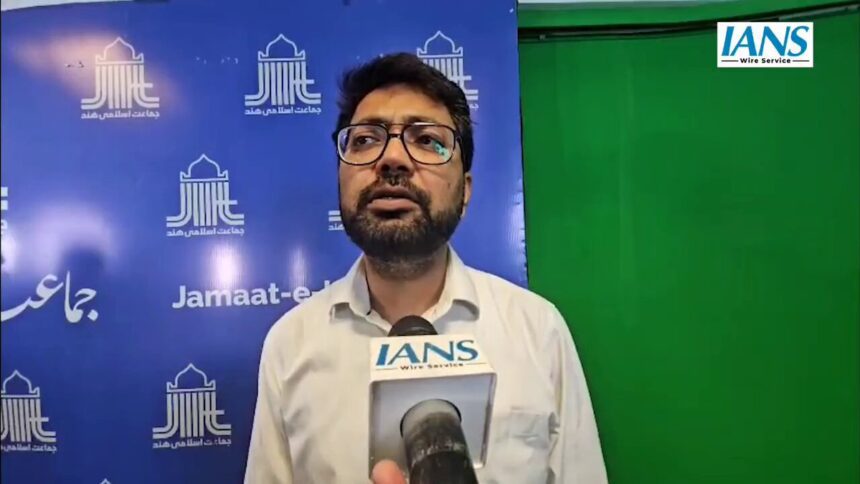
Nadeem Khan, a representative from the Association for the Protection of Civil Rights (APCR), has raised critical questions regarding the demolition of mosques and madrasas in India. He challenges governmental authorities on the selective enforcement of legality concerning places of worship and highlights biases in the treatment of religious structures across faiths.
Context of Demolition Drives
Demolition drives in India have become a contentious issue, sparking debates about religious freedom and the rights of minority communities. The drives are often executed under the guise of legality, ostensibly aimed at removing illegal constructions. However, activists like Nadeem Khan argue that these actions disproportionately target Islamic places of worship while overlooking similar structures belonging to other religions. The spotlight on these demolitions has intensified amidst growing concerns about communal tensions in a diversely populated country like India.
Legal frameworks intended to regulate construction often become tools for discrimination. Many religious structures may lack proper documentation, but Khan urges that the focus should not solely be on Islamic places of worship. He calls attention to an apparent inconsistency in how the law is applied, suggesting that places of worship of other faiths may also violate zoning laws without suffering equivalent consequences. This raises critical questions about the motivations behind such demolitions and whether they reflect broader societal biases.
Government Accountability and Religious Bias
Khan’s statements implicate local government authorities, specifically the District Magistrate and Sub-Divisional Magistrate. He emphasizes the need for these officials to justify their actions and to clarify whether a legal framework exists that treats all places of worship equally. The implication is clear: if only certain religious structures face demolition while others are overlooked, this indicates a systemic bias that cannot be dismissed as mere administrative oversight.
The call for accountability serves as a reminder that the secular framework established in the Indian Constitution is being tested. In a country where freedom of religion is enshrined, the selective targeting of any religious community weakens the constitutional promise of equality. Khan’s remarks serve to drive home the point that the debate should extend beyond legalities and probe into the ethics of governmental actions against particular religious groups.
Public Response and Implications
The controversy surrounding the demolitions has elicited various responses from the public and political spheres. Many activists and political commentators have joined Khan in denouncing the actions as not just illegal but morally indefensible. Protests have erupted in several regions where these drives have been carried out, signifying a mounting frustration among communities feeling under siege. The discourse now revolves around the need for a more equitable approach toward religious structures of all faiths, raising crucial questions about secularism and inclusivity.
Political parties are also taking note. Some opposition groups are using the demolitions to criticize the ruling party, accusing it of marginalizing minority communities for political gain. This increasingly polarized environment amid escalating tensions highlights the fragile nature of communal harmony in India.
Why This Matters
The significance of Nadeem Khan’s comments resonates deeply within the current political landscape of India. As the nation grapples with issues of religious freedom, social equality, and state intervention, such discussions underscore the vulnerability of minority rights. The targeted demolition of places of worship disrupts not just immediate communities but also societal cohesion, igniting fears of broader communal conflict. For Indian readers, understanding the implications of these actions is critical; they not only affect legal norms but also the very fabric of India’s identity as a secular and democratic nation.
Frequently Asked Questions
What are the main concerns about the demolition of mosques and madrasas?
The primary concerns involve allegations of selective enforcement of laws that disproportionately target Islamic places of worship, while similar structures of other faiths may not face the same scrutiny.
Who is Nadeem Khan, and what role does he play in this issue?
Nadeem Khan is a representative from the Association for the Protection of Civil Rights (APCR). He advocates for the rights of minority communities in India and raises questions regarding the government’s actions toward religious structures.
What are the legal implications of these demolition drives?
While demolitions are often justified under local laws, critics argue that they highlight biases in governance and raise questions about whether these laws are being applied fairly across different religions.
Why is there widespread concern about communal harmony in India?
Concerns about communal harmony stem from the potential for escalating tensions between different religious communities, particularly in light of perceived discrimination against minorities, which could threaten social stability and national unity.