
Delhi Police Rejects “Mystery Truck” Allegations
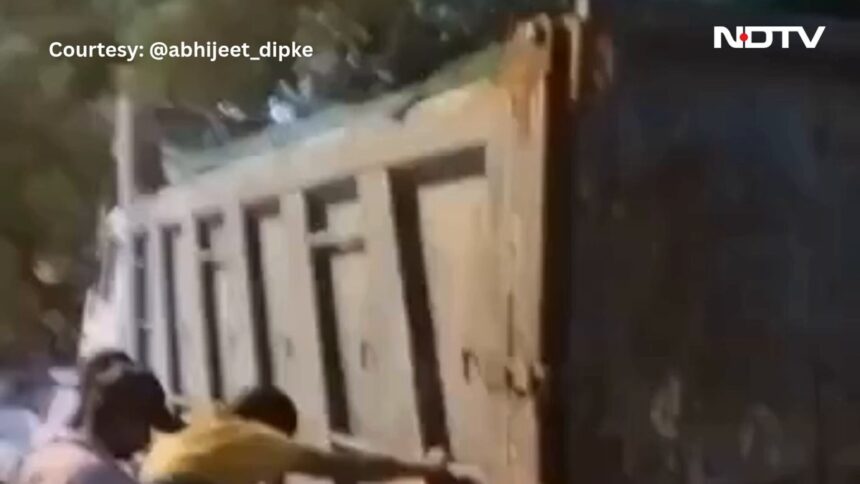
Delhi Police have firmly denied claims regarding the existence of a “mystery truck” at a recent protest at Jantar Mantar. This rejection has stirred debate, particularly as senior law officers of the Union of India referenced the truck’s alleged presence during their briefings. The matter has been raised in front of both the Chief Justice of India and the Chief Justice of the Delhi High Court, intensifying scrutiny of the police’s statements.
Background on the “Mystery Truck” Controversy
The controversy originated when specific allegations surfaced suggesting that a truck was involved in maneuvers during the anti-government protest at Jantar Mantar. These allegations were discussed by senior lawyers representing the government, raising concerns about police transparency and accountability. According to reports, these submissions were formally made in court, bringing judicial attention to the police’s handling of the situation.
Delhi Police, responding to the allegations, stated there is “no truth” to the claims concerning the supposed conspiracy involving the truck. Their assertion raises questions about the reliability of the information being circulated in legal circles and the motivations behind whether it was intentionally misleading or a miscommunication.
Judicial Implications and the Role of Senior Legal Officers
In the context of the judiciary, the involvement of senior law officers in presenting allegations to the courts signals a serious legal inquiry into police actions during protests. The scrutiny from both the Chief Justice of India and the Chief Justice of the Delhi High Court indicates the gravity of the situation and the potential repercussions for the Delhi Police.
Moreover, the judiciary’s interest in such allegations could lead to further investigations or inquiries into police conduct. The way these claims are perceived can directly impact public trust in law enforcement agencies and the legal system, which is critical for a functioning democracy.
Public Reaction and Political Ramifications
The public’s reaction to these developments has been mixed, reflecting a spectrum of beliefs about the police’s integrity and the government’s transparency. Activists and opposition figures are using this incident to renew calls for police reform and greater accountability, potentially leading to wider political ramifications.
Political commentators emphasize that if the Delhi Police are found to be misleading, it could ignite widespread scrutiny of policing practices across India. This offers an opening for political opponents to critique the government’s handling of civil unrest and the perceived erosion of democratic norms.
Why This Matters
The unfolding drama surrounding the “mystery truck” allegations is significant not only for the immediate stakeholders—namely, the Delhi Police, the courts, and the protesters—but for the broader political landscape in India. With civil rights and police accountability being critical issues, the outcomes of this controversy may pave the way for more significant judicial oversight of police actions in protests.
Furthermore, this incident captures the tension between governmental authority and civil liberties, which is ever-present in Indian politics. As citizens become increasingly aware of their rights, the demand for transparency from law enforcement will likely grow, influencing future political discourse.
Frequently Asked Questions
What was the “mystery truck” allegation about?
The allegation suggested that a truck was involved in questionable actions during a protest at Jantar Mantar, raising concerns among legal authorities about police conduct.
How did the Delhi Police respond to the allegations?
Delhi Police categorically rejected claims of the “mystery truck” and stated there is “no truth” to the allegations, asserting their credibility amid rising scrutiny.
What is the significance of the senior law officers’ involvement?
The involvement of senior law officers in the case indicates the seriousness of the allegations and highlights the judicial system’s role in overseeing police actions.
How might this situation affect public trust in the police?
The controversy has the potential to erode public trust in law enforcement agencies, particularly if the police are found to have misled the courts and the public regarding the incident.