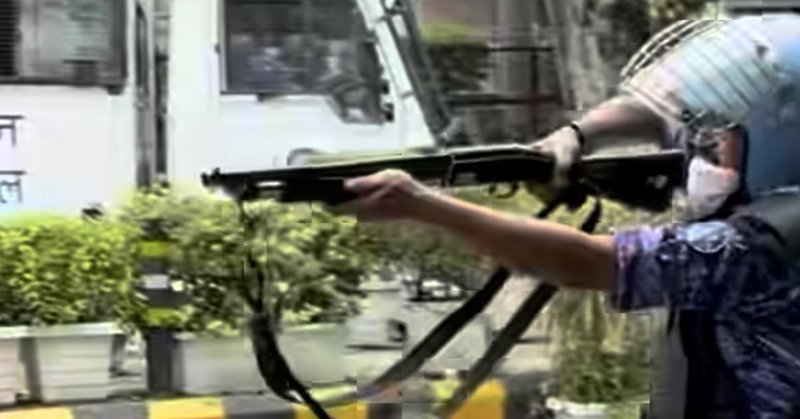

A recent revelation has surfaced regarding the actions of the Rapid Action Force (RAF) following a protest incident in Delhi. Documents indicate that the RAF used pellet guns against protesters on the explicit directions of a Delhi Police officer, raising serious concerns about police accountability and the use of excessive force during protests.
Context of the Incident
The incident in question took place during a protest at Jantar Mantar on July 20. A document revealed that the RAF, tasked with crowd control, utilized pellet guns against demonstrators. This action was documented in a diary entry at 1:24 AM on July 22, two days after the event. Notably, this entry came shortly after media reports, particularly by The Hindu, highlighted the use of pellet guns by the RAF. Such timing raises questions about accountability and the transparency of police operations during disturbances.
Review and Accountability
In the aftermath of the July 20 incident, the RAF leadership conducted a review of its operations. The review highlighted serious deficiencies in RAF behavior, indicating a violation of their principle of “sensitive policing.” Following this review, the RAF withdrew several types of crowd control equipment, including shock batons and electric shields, from personnel deployed at the protest. This change in equipment underscored a recognition of the need for improved crowd management techniques that adhere to better standards of accountability and human rights.
Responses From Delhi Police and Political Commentary
Amidst these revelations, the Delhi Police has found itself in a challenging position, especially as it was reported that they were engaged in distributing fact checks regarding the incident. Critics argue that the timing of the police’s actions and statements appears to be an attempt to mitigate public scrutiny over the use of excessive force. Various political commentators have called for an examination of the protocols in place that allowed such actions to be sanctioned, emphasizing the need for stringent oversight in how police forces manage public protests.
Why This Matters
The implications of this incident are profound for Indian democracy. The use of excessive force by law enforcement agencies, especially against peaceful protesters, raises critical concerns about the rights to freedom of expression and peaceful assembly. The findings challenge the narrative of justified police action during civil unrest and suggest a deeper issue within the police framework that necessitates reform. As citizens increasingly scrutinize the balance between maintaining public order and upholding civil rights, this case could serve as a pivotal moment calling for greater accountability within law enforcement agencies throughout India.
Frequently Asked Questions
What incident led to the use of pellet guns by the RAF?
The use of pellet guns by the RSA occurred during a protest at Jantar Mantar on July 20. Following media reports about this incident, a diary entry by the RAF documented that these actions were conducted on the directions of a Delhi Police officer.
Why is the timing of the RAF’s diary entry significant?
The diary entry was filed at 1:24 AM on July 22, just hours after reports emerged detailing the use of pellet guns against protesters. This raises concerns about the accountability mechanisms within the police department and the response to public discourse regarding police actions.
What were the results of the RAF’s internal review following the incident?
The review found serious deficiencies in RAF conduct during the July 20 protest, highlighting violations of their principles of sensitive policing and leading to a withdrawal of several aggressive crowd-control measures.
What implications does this incident have for police practices in India?
This incident underscores the urgent need for reform within Indian policing, particularly in terms of how law enforcement manages protests and the accountability mechanisms in place to oversee their actions. It emphasizes the critical importance of balancing public safety and civil liberties.