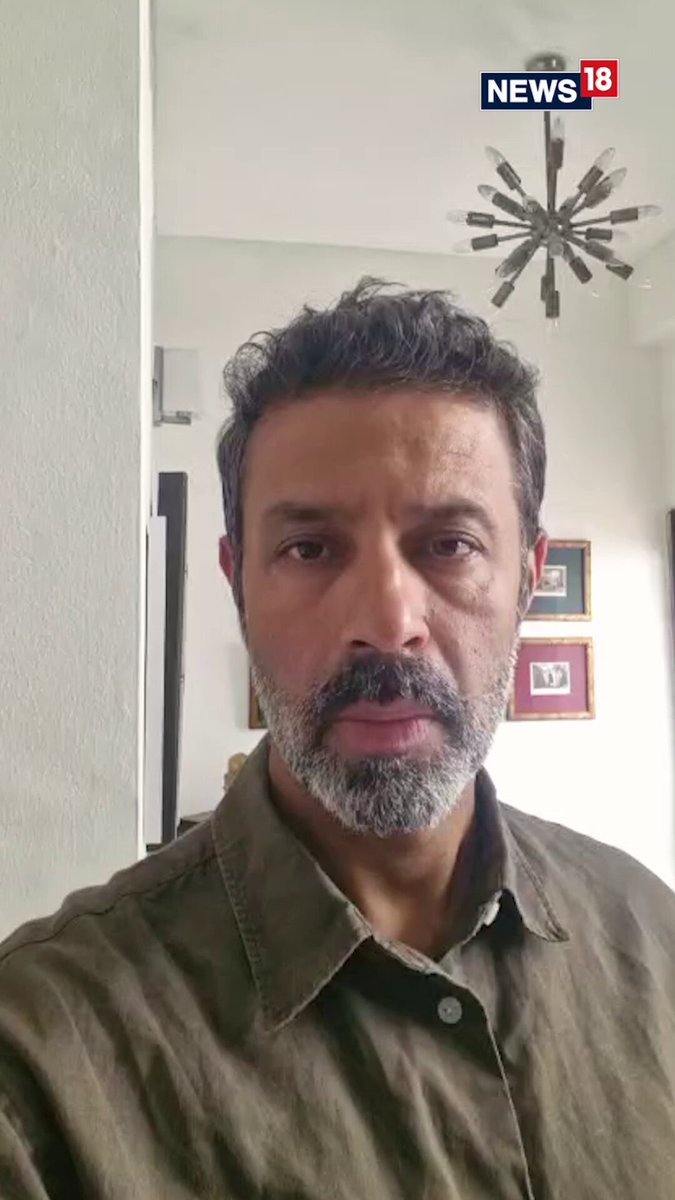

In a recent statement, prominent political commentator Mohammed Zubair criticized Rahul Shivshankar, a leading figure in Indian news media, for inviting known abuser Abhijit Iyer onto television debates. Zubair condemned Shivshankar’s hypocrisy in lecturing younger generations about abusive language while engaging with individuals notorious for their misconduct.
Context of the Controversy
The heated exchange revolves around a significant issue in India’s current media landscape: the prevalence of abusive language and behavior among public figures. The discussion gained traction when Shivshankar, who has been vocal about the need for civility, faced backlash for providing a platform to Iyer, whose history of openly abusive comments is well-documented. This contradiction raises questions about the accountability of media personalities and their role in shaping public discourse.
Background of the Key Players
Rahul Shivshankar serves as the editor-in-chief of Times Now, a prominent news channel in India known for its aggressive style of journalism. His recent comments aimed at Generation Z have sparked outrage, particularly from Zubair, who pointed out the irony of seeking civility in language while continuing to associate with individuals like Iyer. On the other hand, Mohammed Zubair is a well-known journalist and activist who has frequently challenged narratives propagated by mainstream media. His ability to generate discussions about accountability and media ethics highlights a growing expectation for integrity among those in influential positions.
The Nature of Abusive Language in Politics
In India, the political landscape has become increasingly fraught with vitriol. Public figures, especially those in media, often resort to harsh rhetoric that can escalate tensions among viewers and listeners. Zubair’s remarks underline a critical point: that those in power should be held to higher standards. His critique of Shivshankar serves as a reminder that the media’s responsibility extends beyond mere reporting; it includes fostering a respectful and constructive dialogue. The recent controversies reflect a broader struggle within Indian society regarding language, respect, and ethical responsibility in public discussions.
Why This Matters
The debate over language and civility in political discourse is highly significant in India as it impacts how societal issues are addressed and understood. When influential media figures engage with individuals known for their abusive language, it sends a message about the normalization of such behavior. This situation has broader implications for the younger generation, who are influenced by these discussions. As Zubair raises critical concerns about hypocrisy in the media, it prompts a necessary reflection on the values we wish to champion in public communication. Ensuring respectful dialogue is essential for the health of democracy and civic engagement in India.
Frequently Asked Questions
What prompted Mohammed Zubair to criticize Rahul Shivshankar?
Zubair’s criticism stems from Shivshankar’s invitation to known abuser Abhijit Iyer on television debates, contrasting with his calls for civility among younger audiences.
Who is Abhijit Iyer?
Abhijit Iyer is a controversial public figure known for making derogatory and abusive remarks, particularly towards women, which has raised significant concern among advocates for civil discourse.
What is the significance of discussions about language in political media?
Discussions about language in political media are crucial as they shape public perception and influence societal norms regarding respect and civility, particularly among younger generations.
How does this controversy reflect broader issues in Indian society?
This controversy highlights a significant cultural struggle against the normalization of abusive language in public discourse, emphasizing the need for accountability and ethical standards among public figures.