
Summary
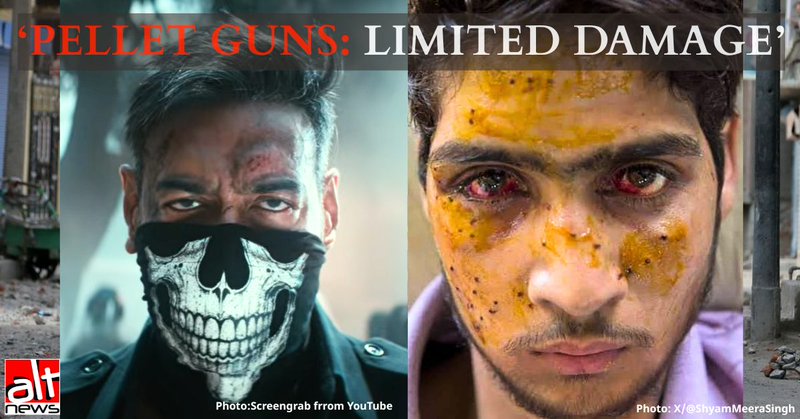
The ongoing trauma caused by the use of pellet guns in Kashmir has been brought to the forefront by the teaser for the film “Chauhaan,” which controversially trivializes this suffering. Critics argue that it turns the realities faced by Kashmiris into entertainment, urging viewers to overlook the dire implications of such violence.
Understanding the Context
The use of pellet guns in Kashmir has become a symbol of state violence against civilians. These non-lethal weapons have resulted in thousands of injuries, with hundreds of people blinded and dozens killed since their introduction. The violent suppression of dissent following the killing of local militant Burhan Wani in 2016 led to widespread unrest, further exacerbating the human cost associated with these measures. The humanitarian crisis continues to unfold, with residents living in constant fear of being targeted.
The Controversy Surrounding “Chauhaan”
The teaser for the film “Chauhaan” utilizes an upbeat song, ‘Jumma chumma de de,’ which contrasts starkly with the grave reality of Kashmir’s situation. Critics are particularly concerned that the film, intended for entertainment, might desensitize viewers regarding the severe implications of pellet gun use. By framing this tragedy as content for mass consumption, the film risks reinforcing stereotypes and trivializing the ongoing violence in Kashmir.
Political Implications of Pellet Gun Violence
The portrayal of Kashmir’s plight as mere spectacle raises significant ethical questions about media representation and political accountability. The normalization of violence through film can lead to a dangerous environment where empathy is diminished, and public discourse is shaped by sensationalism rather than the brutality of lived experiences. Politicians can overlook these human rights abuses, seeing them as justified in the face of national security rather than addressing the root causes of unrest.
Why This Matters
This controversy matters greatly for Indian audiences as it touches upon critical themes of human rights, the portrayal of conflict in media, and the responsibilities of filmmakers. It urges viewers to engage in dialogue, reflecting on how narratives influence perceptions of Kashmir and inform public opinion on broader issues of governance and justice. Moreover, it raises awareness that the struggles of the Kashmiri people should not be reduced to mere cinematic elements, but rather, treated with the gravity they deserve.
Frequently Asked Questions
What are pellet guns and why are they used in Kashmir?
Pellet guns are a type of non-lethal weapon designed to disperse crowds. However, in Kashmir, they have resulted in serious injuries and fatalities among civilians, leading to widespread criticism of their use.
What impact has Burhan Wani’s death had on Kashmir?
The death of Burhan Wani in July 2016 sparked widespread protests and unrest in Kashmir, escalating existing tensions between security forces and local populations and leading to increased violence and the use of pellet guns.
What are the human rights implications of using pellet guns in Kashmir?
The use of pellet guns raises significant human rights concerns, as they inflict severe injuries and have led to loss of eyesight in many cases. This reality challenges the narratives surrounding state security and civilian safety.
Why is the portrayal of Kashmir in films controversial?
The portrayal of Kashmir in films like “Chauhaan” can be seen as trivializing the real pain and suffering of its people. It risks desensitizing audiences to ongoing human rights abuses and reinforcing harmful stereotypes about the region.