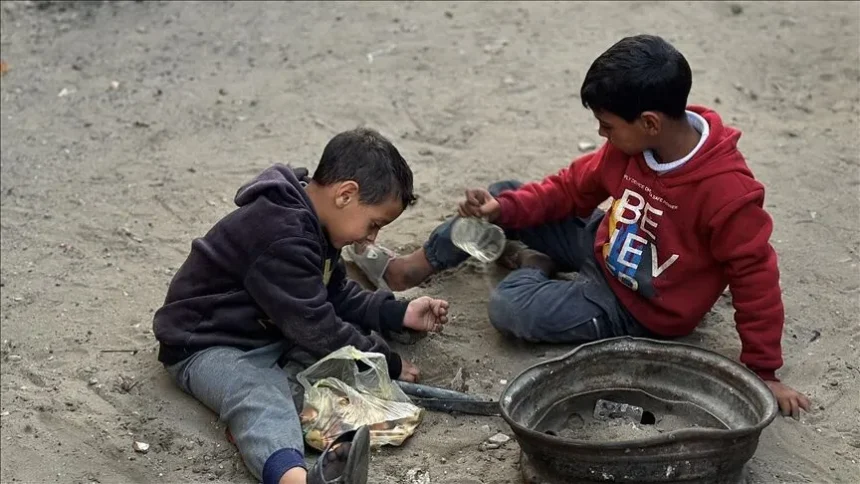

Art and Music: A Refuge for Gaza’s Youth
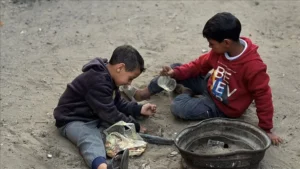
In the midst of the ongoing devastation in Gaza, young Palestinians are finding solace in art and music. These creative outlets are helping them cope with trauma, loss, and the lasting impacts of war, serving as crucial avenues for emotional expression and community interaction.
Art as a Means of Expression
Sixteen-year-old Maryam represents many young individuals in Gaza who have turned to creative expression in troubling times. Displaced after her family home was destroyed in January 2024, she found a refuge at an art space located in a beachside cafe in Deir el-Balah. This initiative, launched by 35-year-old Abdullah Al-Ghafri, aims to offer children a sanctuary away from the pervasive atmosphere of violence.
Maryam described how drawing helps her articulate feelings that are often too complex for words. “Completing drawings gives me a sense of achievement and helps me regain motivation during difficult days,” she shared. This statement reflects the broader trend among Gaza’s youth, where art becomes more than just a pastime; it evolves into a lifeline that fosters a sense of hope amid chaos.
Psychological Support Through Creative Activities
Psychologist Asil Abu Shawish underscored the critical role of artistic activities, stating that they can assist in processing emotions linked to traumatic experiences. She emphasized that art does not erase the psychological scars left by conflict but provides essential coping mechanisms for children living in an ever-changing environment.
Through engaging in creative activities, children who might otherwise remain withdrawn can begin to interact and express themselves. Such initiatives not only provide emotional relief but also foster community bonds, allowing for shared experiences that can instill a sense of normalcy and stability.
Music as a Collective Healing Tool
Alongside visual arts, music plays a vital role in offering an emotional outlet for Gazan youth. The Edward Said National Conservatory of Music continues to conduct lessons and performances, even after suffering damage to its facilities. Coordinator Jabr Thabet highlighted how teachers are bringing music to displaced communities, allowing children to learn instruments and sing together—activities that evoke ordinary childhood joys.
The enthusiasm children exhibit when participating in these musical sessions demonstrates the profound impact of creative endeavors. Thabet noted that many children arrive with eagerness and leave looking forward to returning, hinting at the vital role music plays in helping to preserve their identities within a tumultuous landscape.
Why It Matters
The significance of these artistic initiatives extends beyond individual healing. They help maintain cultural identity in the face of systemic destruction. As war ravages homes, schools, and cultural institutions, artistic spaces enable young Palestinians to assert their creativity, providing a counter-narrative to the despair around them. This cultural expression is critical not only for psychological well-being but also for cultural continuity and resilience in the younger generation of Gaza.
Frequently Asked Questions
What are the psychological benefits of art for children in conflict zones?
Art helps children express emotions, process trauma, and regain a sense of control and normalcy in chaotic environments.
How does music contribute to the well-being of children in Gaza?
Music serves as a collective activity that fosters community bonds and provides opportunities for creativity, emotional expression, and joy amid hardship.
What challenges do artistic initiatives in Gaza face?
Many initiatives struggle with high rental costs and limited financial support, making it difficult to sustain their programs despite high demand.
How can international communities assist artistic initiatives in Gaza?
Financial support, resources, and awareness campaigns can help sustain these creative spaces, enabling them to continue serving as vital lifelines for children affected by conflict.