
Addressing Discrimination Against Muslim Women: A Critical Conference in Hyderabad
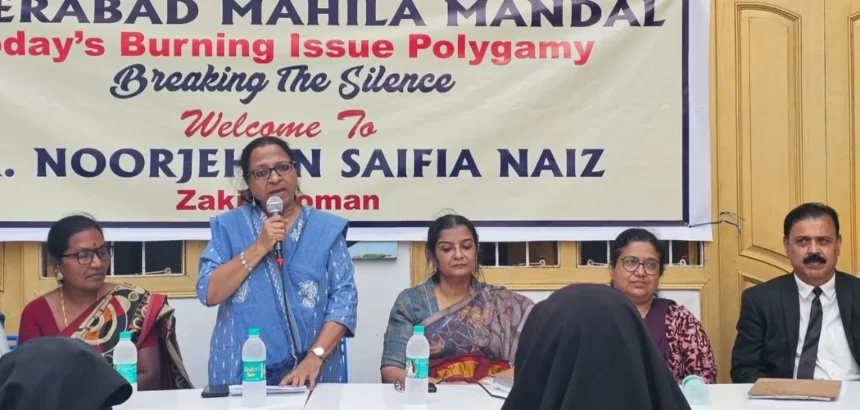
A recent two-day conference held in Hyderabad focused on the pressing issues of discrimination faced by Muslim women in India, including practices such as polygamy, oral talaq, and halala. Organized by the Muslim Satyashodhak Mandal and the Bharatiya Muslim Mahila Andolan (BMMA), the event sought to advocate for reforms in Muslim personal laws to improve protections for women’s rights.
Mobilizing Voices for Change
The conference brought together a diverse group of Muslim women activists, social reformers, and community leaders who are advocating for change within a legal framework that currently allows discriminatory practices. A particular focus was placed on the struggles of women in Old Hyderabad, many of whom grapple with conservative social norms that often leave them vulnerable to injustices. These discussions highlighted the need for systemic reforms that address patriarchal attitudes deeply entrenched in personal laws.
Concerns Over Malpractices
During the conference, significant attention was given to the practices of oral talaq and polygamy. Participants overwhelmingly opposed these practices and engaged in a signature campaign aimed at mobilizing women against what they deemed anti-women practices rooted in misinterpretations of religion. Key speakers, including Dr. Benazir Tamboli, Noorjehan Safia Niaz, and Dr. Zarina Khan, emphasized the importance of raising awareness of women’s legal and constitutional rights, arguing that many Muslim women are themselves unaware of these protections.
The Call for Reform
Sky Baba, the founder of the Duniyadari Muslim Sudharnavadi Chalwal, articulated the rationale behind the campaign, stating that the primary objective is to gather mass support for reforming flawed personal laws. This sentiment reiterated the findings from “Breaking the Silence,” a research project by Dr. Niaz and Dr. Khan, which sheds light on the negative impacts of polygamy on Muslim women’s lives. The call for amendments resonates with changes already seen in countries like Tunisia and Turkey, where laws have been updated to better protect women’s rights.
Why It Matters
This mobilization of Muslim women to advocate for their rights signals a significant shift within a community often marginalized by both societal norms and legal frameworks. By addressing practices that violate women’s rights, these reforms can play a crucial role in highlighting the broader conversation about gender equity in India. Importantly, the movement aims not only to challenge orthodox interpretations of religious laws but also to promote a secular approach to governance that aligns with constitutional values.
Frequently Asked Questions
What was the main focus of the Hyderabad conference?
The conference primarily focused on discriminatory practices affecting Muslim women, such as polygamy and oral talaq, and sought to advocate for reform in Muslim personal laws.
Who were the key speakers at the event?
Key speakers included Dr. Benazir Tamboli, Noorjehan Safia Niaz, and Dr. Zarina Khan, who emphasized the need for legal awareness and reforms to protect women’s rights.
What initiatives were launched during the conference?
During the conference, a signature campaign was launched to mobilize women against anti-women practices, alongside discussions aimed at raising awareness of legal rights among participants.
How does the movement plan to extend its reach?
The movement plans to hold similar meetings and seminars in various states to continue advocating for the legal rights of Muslim women and fostering public engagement in social reform.