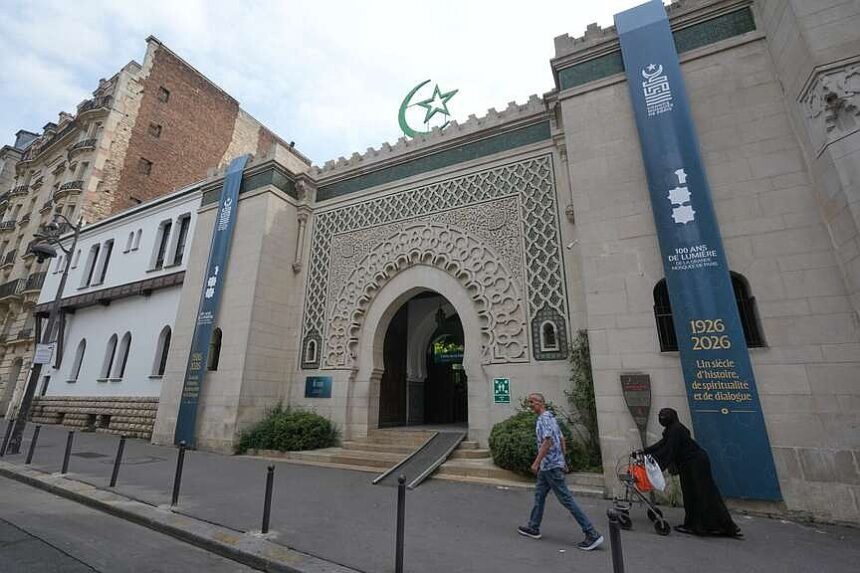

PARIS — As the Grand Mosque of Paris commemorates its centenary, worshippers reflect on the complexities of being Muslim in contemporary France amid rising anti-Muslim sentiments, sparking concerns about the impact of political tides and ongoing societal divisions.
A Historic Commemoration
Founded a century ago to honor the contributions of Muslim soldiers from French colonies during World War I, the Grand Mosque has become a prominent symbol of France’s multicultural identity. However, as it celebrates its 100th anniversary, the mosque’s rector, Chems-eddine Hafiz, expresses concerns about the growing tensions surrounding Islam in France, particularly against the backdrop of the upcoming presidential election. “It’s the responsibility of everyone to see Muslims as a part of the national community,” Hafiz emphasized.
Challenges to Acceptance
Despite being the second-largest religion in France, with estimates suggesting a Muslim population of 3 to 5 million, Muslims continue to face systemic discrimination and stigmatization. Events such as the deadly Islamic extremist attacks in the past decade have exacerbated negative perceptions. Consequently, many Muslims are struggling for acceptance, often encountering bias that undermines their place in French society. Hafiz remarks, “Today, anti-Muslim acts are still being committed against Muslims,” highlighting the hostility faced by the community.
Political Climate Impact
The ongoing political discourse in France, particularly driven by figures like Marine Le Pen and the far-right National Rally, poses significant challenges for Muslims. Leveraging anti-immigrant and anti-Islamic rhetoric, this political climate serves to further alienate Muslim communities. Activists like Fatma Chouchane criticize laws that restrict religious expressions, championing the freedom to make personal choices regarding religious attire. “I ask France to leave these people alone,” she urged, signifying a call for greater tolerance and acceptance.
Why It Matters
The situation surrounding the Grand Mosque of Paris illustrates broader trends in religious tolerance and societal cohesion within Europe. Understanding these dynamics is critical for policymakers, researchers, and civil societies committed to fostering intercultural dialogue and addressing the challenges faced by minority groups. As France grapples with its identity in a globalized world, the experiences of its Muslim population will inform discussions on secularism, integration, and national identity.
Frequently Asked Questions
What is the significance of the Grand Mosque of Paris?
The Grand Mosque was established to honor Muslim soldiers who fought in World War I and serves as a cultural and religious hub for the Muslim community in France.
How has the political landscape affected Muslims in France?
Rising anti-immigrant and anti-Islamic sentiments, particularly from far-right political groups, have led to increased discrimination and social exclusion of Muslims across the country.
What challenges do French Muslims face today?
Challenges include societal stigma, discrimination, restrictions on religious attire, and growing hostility related to past Islamic extremist incidents in France.
What role does the mosque play in the community?
The mosque serves as a place of worship, a cultural center, and a symbol of interfaith dialogue and diversity, fostering a sense of belonging within the broader community.