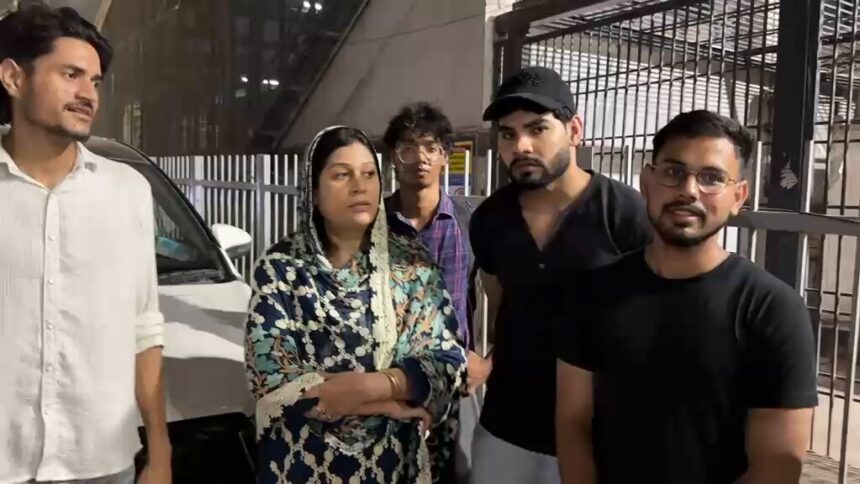

Five Muslim students returning to the Jamia area from a protest at Jantar Mantar were allegedly detained by police and later released thanks to the efforts of social activist Zeba Khan. This incident has sparked outrage, prompting questions about the treatment of students involved in protests in India.
Incident Overview
On the evening of the protest, Mohammed Zubair, a prominent political commentator, reported that the students were intercepted by police near the Jamia Millia Islamia University. Zubair highlighted the arrests as shocking, questioning the police’s authority to detain individuals merely for participating in a public demonstration. The students were returning home when they were taken into custody, raising concerns over discrimination against young Muslims in the area.
The Role of Social Activists
Social activist Zeba Khan and reporter Afzal Alam played crucial roles in the students’ release. Upon witnessing the police detaining the students, they pursued the police vehicle, advocating for the students’ rights and safety. Their actions underscore the importance of activism in protecting civil liberties and providing immediate support to those targeted by law enforcement. The prompt response from Khan and Alam may have prevented the situation from escalating further.
Public Reactions and Concerns
The incident has triggered a wave of public outcry, particularly on social media platforms. Many users expressed their anger, questioning why young students were treated as criminals for participating in a lawful protest. Zubair’s tweet emphasized the problematic trend of police hostility towards students from the Jamia community. The incident aligns with an ongoing pattern where public protests, particularly those involving minority groups, are met with heavy-handed responses from authorities.
Why This Matters
The detention of these students is significant as it reflects broader issues within India’s socio-political landscape, particularly regarding the treatment of dissent and minority communities. Protests are a fundamental aspect of democratic expression, yet incidents like these raise concerns about the extent of state repression against individuals exercising their rights. The disproportionate policing of specific groups further exacerbates feelings of alienation and mistrust in law enforcement. Understanding these dynamics is crucial for Indian readers, as they hold implications for the future of civil liberties and the integrity of India’s democratic fabric.
Frequently Asked Questions
What sparked the protest at Jantar Mantar?
The protest at Jantar Mantar was organized to voice concerns around various socio-political issues affecting marginalized communities, particularly Muslims, in India.
What actions did Zeba Khan take to help the students?
Zeba Khan and reporter Afzal Alam actively pursued the police vehicle that had detained the students to advocate for their release and ensure their safety.
What has been the public reaction to this incident?
Public reaction has included outrage and condemnation of the police’s actions, with many questioning the justification for detaining students simply for engaging in a protest.
How does this incident relate to broader issues in India?
This incident highlights ongoing tensions regarding police responses to protests, particularly those involving minority groups, raising fundamental questions about civil liberties and state authority in India.