
Summary
A recent call for a debate on comedy and culture has emerged amidst rising tensions surrounding freedom of expression in Bengaluru. Mohan Gowda, a prominent political commentator, criticized the local authorities for allowing a comedian accused of offensive remarks about Hindu beliefs to perform without oversight, igniting discussions about cultural sensitivities and freedom of speech in India.
Background of the Situation
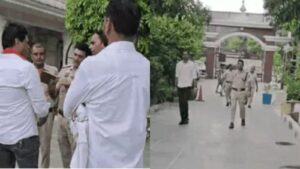
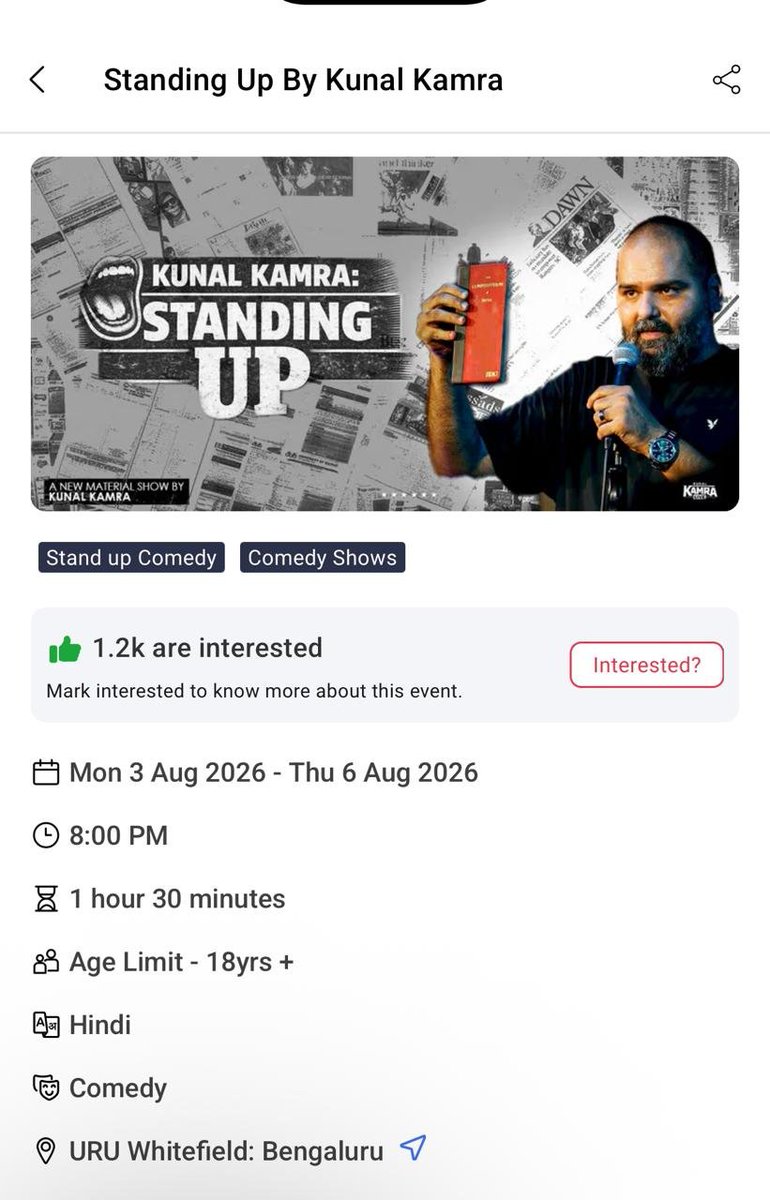
On October 1, a call was issued for a debate scheduled at the Whitefield police station in Bengaluru, aimed at discussing the intersection of comedy and culture. The individual leading this debate stated they would seek permission to perform solo, creating a platform for dialogue. This event comes in the wake of heightened scrutiny over comedic expressions that many perceive as offensive to religious sentiments, particularly those related to Hinduism.
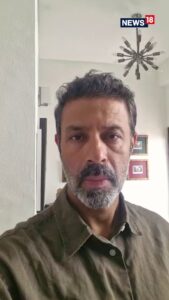
Mohan Gowda’s comments, directed at Bengaluru’s police, spotlight the frustrations of a segment of the population regarding performers who they feel undermine Hindu faith. His statements suggest a widespread sentiment that Bengaluru should not tolerate repeated insults to a major religious community, reflecting the growing polarization on issues of free expression versus cultural sensitivities.
Comedy Under Fire: The Broader Implications
The controversy surrounding the comedian accused of making derogatory remarks about Hindu beliefs raises significant questions about the limits of artistic expression in India. As the country diversifies, the narrative around what is considered acceptable humor is evolving, often leading to clashes between traditional values and modern viewpoints. Comedians in India are now frequently caught in the crosshairs of political and cultural debates, making their craft both a source of entertainment and a battleground for ideological differences.
Critics argue that such allegations can lead to a chilling effect for artists, making them hesitant to explore or challenge existing societal norms. Many call for a definition of boundaries that can allow artists to navigate cultural sensitivities without fear of backlash, while others insist that all criticism must be met with accountability.
Government Response and Law Enforcement Role
The involvement of law enforcement, as indicated by Mohan Gowda’s tagging of local police entities, reveals the intricate role of governmental agencies in governing artistic expression. The police are expected to maintain public order, yet the question arises: How far into the realm of art and expression should they intrude? Are they acting as protectors of cultural heritage, or are they stifling creative voices?
As the debate unfolds, the local police’s handling of the situation will be critical in determining if this incident sparks larger discussions on artistic freedom versus religious respect. The challenge lies in balancing these often-opposing societal demands, a task that may see increased complexity in the future as cultural dialogues continue to evolve.
Why This Matters
This incident is emblematic of the broader societal struggle in India regarding the balance between freedom of expression and respect for religious sentiments. As artists and comedians navigate an increasingly polarized environment, events like this underline the need for dialogues that cross ideological lines. For Indian readers, understanding these dynamics is crucial as they impact not just the cultural landscape but also political discourse and civil liberties across the nation.
Frequently Asked Questions
What sparked the debate on comedy and culture in Bengaluru?
The debate was initiated in response to a comedian facing allegations of making offensive remarks about Hindu beliefs, leading to concerns over freedom of expression in the arts.
What role do local authorities play in regulating comedy performances?
Local authorities, including the police, are responsible for maintaining public order, which often involves scrutinizing performances that may offend religious sentiments.
How do cultural sensitivities affect artistic expression in India?
Cultural sensitivities create a complex environment for artists, making them vulnerable to criticism and backlash, which can stifle creative freedom and exploration of themes.
What is the significance of the hashtag #RespectHinduFaith?
The hashtag reflects a movement within parts of the community advocating for the protection of Hindu beliefs against perceived insults, emphasizing the cultural tensions between artistic expression and religious respect.