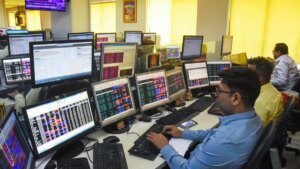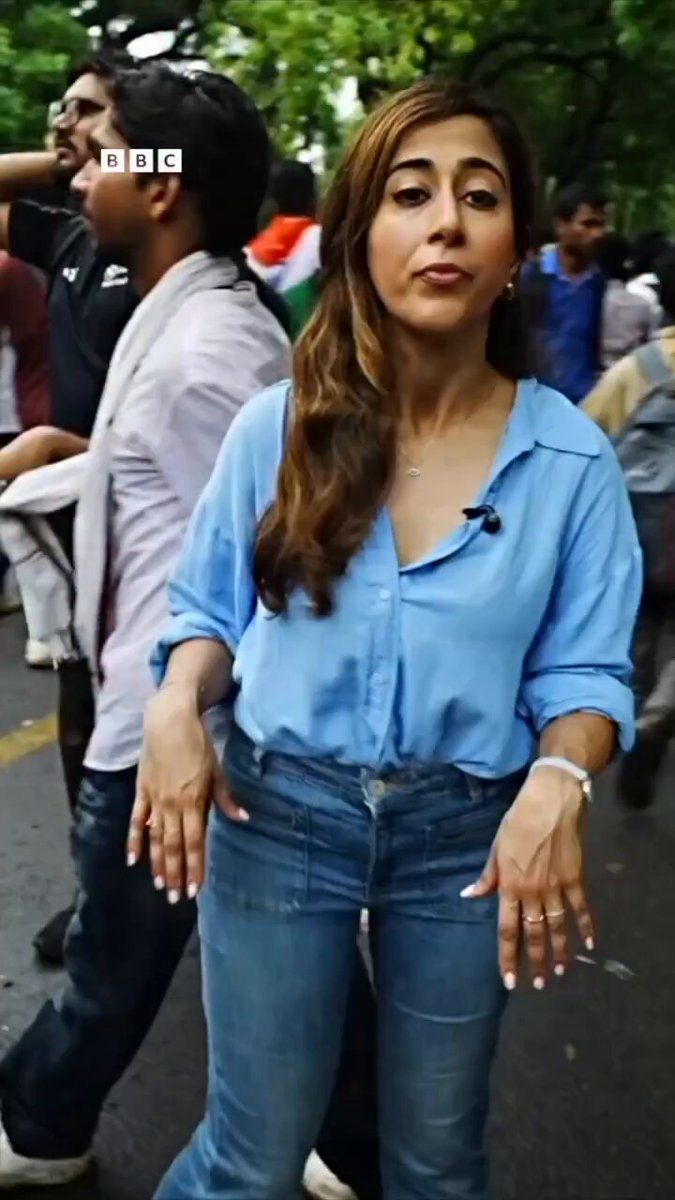

In recent protests across India, a stark divide has emerged between government-aligned media and independent reporters. While many mainstream anchors remain in studios promoting pro-government narratives, foreign correspondents and independent journalists are on the ground, providing a voice to the protestors.
Mainstream Media and Government Narratives
In the context of the ongoing protests, the role of mainstream media has come under scrutiny. Numerous prominent anchors and journalists, often referred to as “Godi reporters,” are criticized for their lack of on-ground reporting. Instead, they frame their coverage from the comfort of their studios, primarily promoting narratives that align with the government’s position. This practice raises questions about journalistic integrity and the responsibility of media in covering significant societal issues.
Many believe that this kind of reporting creates a disconnect between the media and the populace. Instead of providing objective analysis and diverse viewpoints, these anchors often echo government propaganda, which can distort public perception and influence political outcomes.
The Role of Independent Media
As mainstream media often fails to capture the essence of the protests, independent reporters, including foreign correspondents and several YouTubers, are stepping in. These journalists have been reporting from the ground, directly engaging with protestors and highlighting their demands and grievances. This shift is crucial, as it provides a more nuanced understanding of the protests and the overarching societal discontent.
These independent voices do not have the same ties to government narratives and focus on disseminating information that often contradicts the portrayal seen in mainstream news. Their firsthand accounts and analyses are vital for fostering informed public discourse, as they empower citizens by ensuring that different perspectives are heard.
Public Response and Implications
The disparity between the coverage provided by mainstream and independent media has sparked significant public debate. Many citizens are turning to social media and independent platforms for the “real story,” often rejecting the narratives portrayed by government-aligned reporters. This shift reflects a growing skepticism towards mainstream media and an increasing appetite for diverse viewpoints among the public, particularly among younger generations who are more adept at sourcing information online.
This situation also underscores the potential dangers of media monopolization and the significance of supporting independent journalism. The growing reliance on alternative media sources may foster a more informed citizenry capable of dissent and activism.
Why This Matters
The current political climate in India places considerable importance on how news is reported and consumed. With mass protests epitomizing widespread voices of dissent, the way media narratives shape public opinion can significantly influence policy and governmental responses. As citizens navigate varied narratives, the independence and integrity of reporting become paramount in defining democracy and public engagement. Understanding these dynamics is essential for Indian audiences as they confront the challenges of misinformation and propaganda in the media landscape.
Frequently Asked Questions
Why are some reporters called “Godi reporters”?
The term “Godi reporters” is often used to describe journalists who are perceived as overly favorable to the government, prioritizing state narratives over investigative journalism.
What role do independent journalists play in protests?
Independent journalists provide on-ground reporting that often captures the reality of protests, giving voice to the protestors and covering issues that mainstream media might overlook or misrepresent.
How has social media influenced news consumption?
Social media has democratized the dissemination of information, allowing individuals to access diverse viewpoints and real-time updates, often turning to independent sources rather than traditional media outlets for reliable news.
What are the risks associated with government-aligned media?
The risks include a lack of accountability, spreading misinformation, and neglecting critical issues affecting society, which can contribute to greater social unrest and hamper democratic discourse.