
Summary
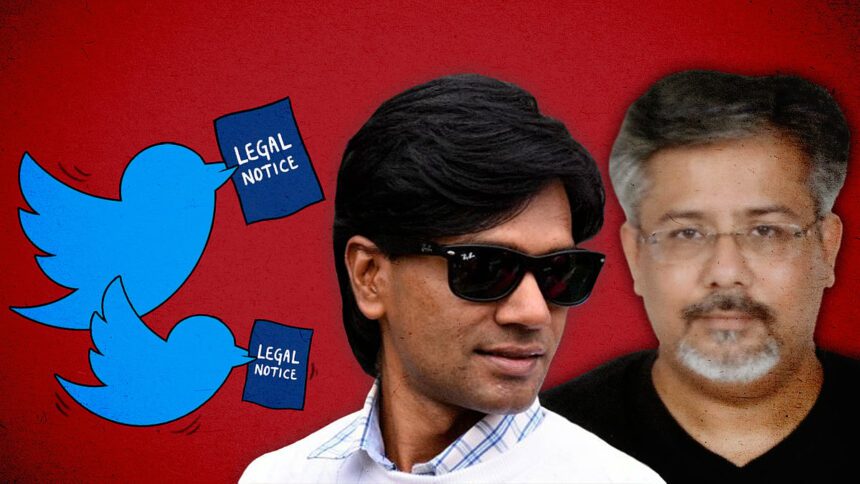
Manjul, a prominent cartoonist, expressed deep concerns over his livelihood after receiving a notice from Twitter about the government’s demand to restrict his account. His situation reflects a broader trend among Indian mediapersons who face similar pressures, raising critical questions about censorship and free expression in the country.
Manjul’s Concerns Over Livelihood
Following a notice from Twitter regarding government demands to take action against his account, Manjul expressed his grave concerns over the impact on his professional relationships. He stated, “This will impact my clients. I’m on the verge of losing my clients. But I still put this out.” This statement underscores the chilling effect that such notices can have on creative professionals, making them hesitant to express their viewpoints for fear of losing monetary support.
Describing the situation as one of intimidation, Manjul emphasized his commitment to continue drawing cartoons, despite the looming threat. His commitment to free expression stands in contrast to the government’s actions which he deems oppressive, raising critical questions about artistic freedom in India.
The Broader Context of Censorship in India
Manjul’s challenges are not unique. Mohammed Zubair, co-founder of Alt News, reported receiving multiple notices from Twitter related to government demands regarding tweets that criticized Hindutva supporters. Zubair explained that these notices often have a tangible impact on the visibility of his tweets, stating, “Once they send an email my Twitter reach gets throttled.” This demonstrates a systemic pattern of silencing dissenting voices through digital intimidation tactics.
Zubair further highlighted the absurdity in some of the government objections, noting that one recent notice was regarding a factual tweet. This raises further concerns about the basis for the government’s actions and its implications for journalistic integrity and fact-checking in India.
Effects on Social Media Dynamics
The ramifications of such notices extend beyond individual cases, affecting the broader landscape of social media in India. Zubair noted that after receiving notices, his reach falls significantly for a month, impacting engagement with his followers. This phenomenon not only suppresses individual voices but also shapes public discourse by diminishing the reach of dissenting opinions, effectively stifling critical discussions in a democratic society.
Moreover, the psychological impact on users cannot be ignored. People often delete contentious tweets preemptively due to fear of repercussions, further contributing to an atmosphere of self-censorship. Zubair pointed out, “When people get such notices, they usually quickly delete the tweet in question,” indicating that the fear of arbitrary government action weighs heavily on online discourse.
Why This Matters
The suppression of artistic and journalistic expression in India underlines a significant threat to democracy. As more journalists and mediapersons face persecution for their statements, the public sphere may become increasingly stifled, leading to a culture of fear where people might hesitate to voice their opinions. This trend poses serious concerns for transparency and accountability, which are core tenets of a healthy democracy.
Furthermore, the implications for social media platforms like Twitter are crucial as they navigate the demands from various governments. The balance between allowing free expression and adhering to governmental requests remains a contentious issue that could shape the future of digital discourse in India.
Frequently Asked Questions
What prompted Manjul’s concerns?
Manjul received a notice from Twitter regarding government demands to take action against his account, raising fears for his livelihood and client relationships.
How does the government influence social media accounts?
The government can request platforms like Twitter to restrict or remove content, which can result in decreased visibility and reach for users’ posts.
Is Manjul’s experience common among journalists in India?
Yes, many journalists, including Mohammed Zubair, have reported similar experiences with receiving notices regarding their tweets, indicating a concerning trend of censorship.
What are the implications of these actions for democracy in India?
The ongoing intimidation and censorship threaten free speech, vital for a democratic society, and risk creating an environment where self-censorship becomes the norm.