
Understanding the Growing Concerns of Indian Muslims
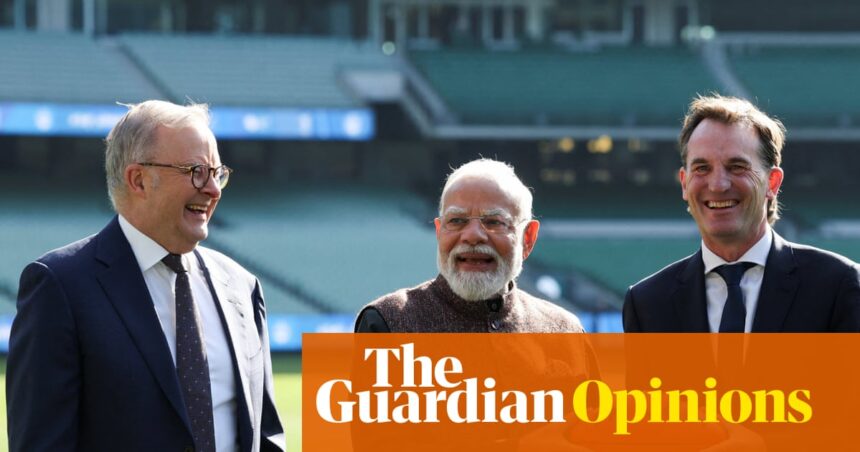
The intersection of sport, identity, and politics has become increasingly complex for Indian Muslims residing in Australia, particularly in light of recent events surrounding Indian Prime Minister Narendra Modi’s visit. The decision of organizations like Cricket Australia and the AFL to celebrate Modi has evoked feelings of exclusion and contradiction among marginalized communities, raising pressing questions about inclusivity and representation.
Recent Celebrations and Their Implications
During Modi’s recent visit to Australia, both Cricket Australia and the AFL chose to highlight their ambitions in India, unveiling plans like hosting a Big Bash League match in India and promoting Australian rules football. However, the presence of Modi, a leader associated with significant political turmoil and discrimination against religious minorities in India, has left many Indian Muslims feeling alienated. Despite being a multicultural society, these organizations’ public endorsements of Modi’s leadership suggest an oversight of the experiences and fears of vulnerable communities within Australia.
The Impact of Modi’s Leadership on Minorities
For numerous Indian Sikhs, Muslims, and Christians, Modi’s name has come to symbolize a decade marked by rising fear and marginalization. Reports from entities like Amnesty International and Human Rights Watch have criticized Modi’s Hindu nationalist government for its discriminatory practices against religious minorities and the erosion of democratic freedoms. The implications are not merely political; they resonate deeply with the personal identities and lived experiences of Indian Australians. Celebrating an engagement with Modi further signifies a disregard for the diverse tapestry of identity among Indian diaspora communities in Australia.
A Question of Representation and Inclusivity
Sport, known for its symbolic power, plays an influential role in shaping societal perceptions. The embrace of Modi by important sports organizations sends a compelling message: that certain Indian voices are valued over others. For minority communities, particularly those who have faced persecution, this moment is more than just a political statement; it symbolizes a continued experience of being overlooked in both India and Australia. Many feel that while they are included on paper, the organization’s commitment to their reality does not extend beyond superficial representation.
Why It Matters
This situation holds significance not only for Indian Muslims but also for broader discussions about diversity and representation in influential sectors like sports, media, and politics. As Australian sports organizations aim to build a connection with modern, multicultural Australia, the decisions they make today will intimately affect their brand perceptions and relationships with diverse communities. eroding trust among marginalized groups jeopardizes the very principles of inclusivity that they profess to uphold. Building real belonging requires an unwavering commitment to listening to and amplifying the voices of those most affected by their decisions.
Frequently Asked Questions
What controversies surround Narendra Modi’s leadership?
Modi’s government has faced numerous criticisms for its policies that are seen as discriminatory against religious minorities, including Muslims, Sikhs, and Christians. Reports from organizations like Amnesty International highlight issues such as crackdowns on dissent and erosion of democratic freedoms.
How do sports organizations support multiculturalism in Australia?
Organizations like Cricket Australia and the AFL have established multicultural strategies aimed at connecting with Indian Australians and promoting diversity in sports. However, their recent actions have raised concerns about whether they genuinely consider the experiences of minority communities.
What are the implications of Modi’s visit for Indian Australians?
The visit has deepened feelings of alienation among Indian Muslims and other minorities in Australia. Many feel that their identities are only acknowledged when convenient for promotional purposes, leading to questions about their true place in a multicultural society.
How can organizations genuinely promote inclusivity?
For organizations to genuinely promote inclusivity, they must prioritize consultation with communities affected by their decisions. Engaging in meaningful conversations and considering diverse perspectives can create a more authentic sense of belonging and representation.