
Political Drama Surrounds AAP Leader’s Visit to Ayodhya
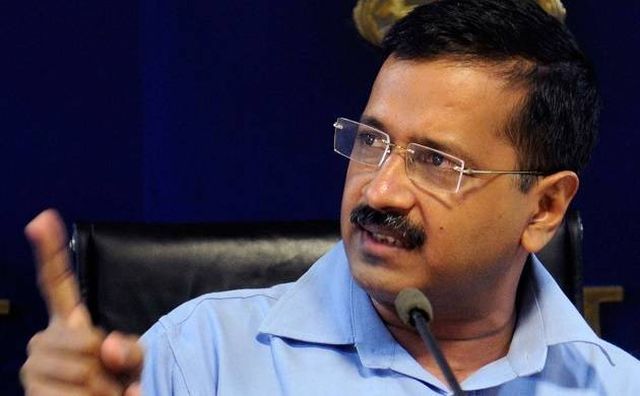
Arvind Kejriwal, the National Convenor of the Aam Aadmi Party (AAP) and former Chief Minister of Delhi, made a noteworthy visit to the Ram Mandir in Ayodhya, prompting significant reactions from various communities. While Kejriwal offered prayers and recited the Hanuman Chalisa, the visit was overshadowed by allegations of donation embezzlement at the temple and protests from local sadhus.
Scandal and Allegations: A Storm Brewing at Ram Mandir
Following his prayers, Kejriwal publicly condemned the alleged embezzlement scandal related to donations for the Ram Mandir. He claimed that an FIR filed was merely a façade protecting influential figures implicated in the theft of donations, which reportedly includes cash worth ₹200 crore, precious jewelry, and Lord Ram’s belongings. Kejriwal emphasized that only lower-level employees were arrested while “bigger people” remained unscathed.
“The FIR is just for show,” he remarked, critiquing the Special Investigation Team (SIT) set up for probing the matter as an “eyewash.” His claims point to a deeper issue of accountability and transparency within religious institutions, revealing potential undercurrents of favoritism and bias towards powerful individuals.
Sadhus Protest: Distrust Among the Devotees
Kejriwal’s visit faced severe backlash, particularly from a group of sadhus who protested with “Go Back” slogans and even burned his effigy. Their dissent was rooted in Kejriwal’s previous statements opposing the construction of the Ram Temple. Protesters reminded the public that he suggested alternative uses for the land, such as constructing a hospital or school, igniting deeper concerns about his current intentions and authenticity in relation to Hindu sentiments.
The sentiment among the sadhus represents a growing distrust towards political figures perceived as engaging in religious tokenism during election periods. They questioned whether Kejriwal’s prayers were genuine or merely a political maneuver.
The Broader Context: Political Ramifications and Hindu-Muslim Relations
The controversy surrounding donations and the alleged misappropriation at the Ram Mandir comes amid a complicated relationship between the ruling Bharatiya Janata Party (BJP), its associated organizations, and segments of the Muslim community. Under the BJP’s governance, there have been various instances of marginalization, social exclusion, and economic boycotts affecting Indian Muslims, raising concerns about the ideological undercurrents of current political practices.
Kejriwal’s remarks regarding the wealthy individuals allegedly protected by the SIT could also reflect a broader narrative challenging the BJP’s handling of communal dynamics in the country. The situation serves as a reminder of the longstanding tensions between Hindus and Muslims, often exacerbated by politically motivated initiatives that aim to consolidate power or distract from more critical socio-economic issues affecting diverse communities.
Why It Matters
This incident highlights the intersection of religion and politics in India, particularly regarding the management of places of pilgrimage and the treatment of different religious communities. The unfolding developments not only underscore existing tensions but also reignite discussions on accountability and governance concerning financial matters at religious institutions, making it a poignant issue in contemporary political discourse.
Frequently Asked Questions
What was the purpose of Kejriwal’s visit to the Ram Mandir?
Kejriwal visited the Ram Mandir to offer prayers and seek divine intervention for the resolution of the donation embezzlement allegations affecting the temple.
What are the allegations surrounding the Ram Mandir?
The allegations suggest significant financial irregularities in the temple’s donation process, including theft of valuables and improper handling of funds.
What are the concerns raised by local sadhus during the visit?
Local sadhus protested against Kejriwal’s visit, questioning his sincerity due to his previous opposition to the Ram Temple project and accusing him of exploiting religious sentiments.
How does this incident relate to the broader political climate in India?
This situation reflects ongoing tensions between the ruling party and the Muslim community, as well as the contentious relationship between religion and politics in India, raising questions about governance and accountability.