
Summary
Muslim travelers in Houston face discrimination from Texas Governor Greg Abbott over the installation of Islamic foot wash stations in airport restrooms. Abbott’s criticism labels these amenities as “special treatment,” raising concerns about religious discrimination amid ongoing debates over treatment of minority communities in the state.
Governor Abbott’s Discontent
Governor Abbott has expressed strong dissatisfaction with the Islamic foot wash stations located in Houston’s George Bush Intercontinental Airport and the Dallas Fort Worth International Airport. He characterizes these facilities as an endorsement of “Sharia law,” suggesting they demonstrate an “Islamic takeover” of Texas. His contention has escalated to threatening funding sanctions against both airports, alleging that such accommodations are unfair to non-Muslim travelers. Critics argue that this move is emblematic of broader efforts to marginalize Muslim communities in the state.
Ablution Facilities as Practical Necessities
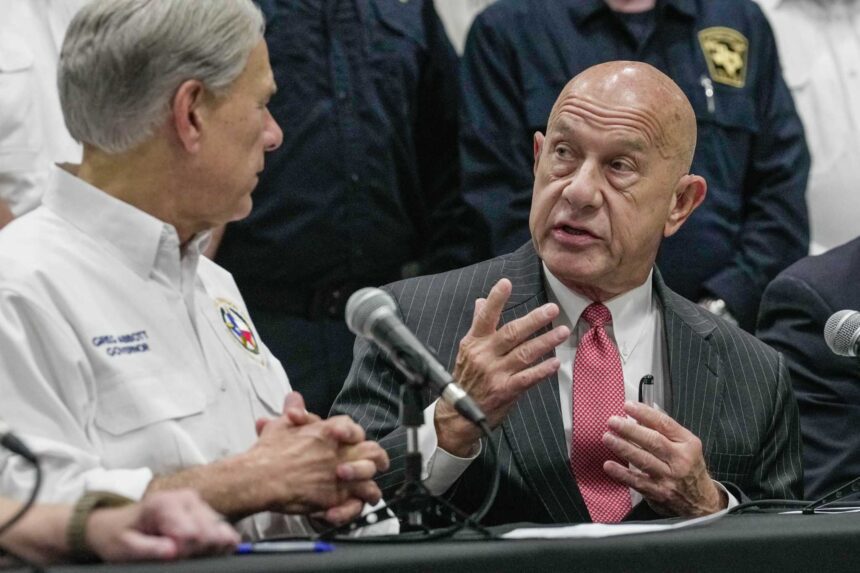
In response to Abbott’s criticisms, City Councilman Whitmire defended the ablution facilities as essential for the practical needs of travelers. He stated that the ablution room and adjoining prayer room are accessible to all individuals, regardless of their faith. According to Whitmire, approximately one-fifth of international passengers at the airport utilize airlines like Emirates, Qatar Airways, and Turkish Airlines, which cater predominantly to Muslim-majority countries. His argument underscores that providing such facilities not only meets the needs of these travelers but also helps prevent inappropriate public washing practices in airport sinks.
Community and Economic Context
The Houston Airport System funded these ablution facilities through fees levied on international airlines instead of using taxpayer money. Whitmire emphasized that the stations serve all passengers, thus avoiding any claims of preferential treatment. However, the discourse initiated by Governor Abbott has led to DFW Airport retracting plans for additional foot wash stations due to perceived public backlash. This reaction illustrates the impact of political narratives on community-serving amenities and highlights the economic implications for airports catering to diverse populations.
Why It Matters
The controversy surrounding foot wash stations in Texas airports is emblematic of a larger national conversation about religious freedom and minority rights. This situation has significant implications for societal cohesion and how ethnic and religious communities are perceived and treated within public institutions. It raises questions about whether inclusive facilities are recognized as essential for accommodating diverse populations or whether they are seen as a threat to the social fabric of the state.
Additionally, from an economic perspective, airports are increasingly positioned as hubs for international travel, and accommodating the needs of global travelers is vital for maintaining competitiveness. The backlash against such inclusivity may ultimately deter investment and tourism, adversely affecting local economies.
Frequently Asked Questions
What are foot wash stations and why are they important for Muslim travelers?
Foot wash stations, or ablution facilities, are designed for cleanliness before prayers, which is a religious requirement for Muslims. These stations provide a practical solution for travelers who observe these rituals, making their journeys more comfortable and respectful of their faith.
What has Governor Abbott said about the foot wash stations?
Governor Abbott has criticized the stations as “special treatment” for Muslims and has threatened to revoke state funding for airports that include these facilities. He claims that their existence constitutes religious favoritism, as no equivalent facilities for other faiths are offered.
How have airport officials responded to the criticism?
Airport officials, particularly from Houston, have defended the foot wash stations, asserting that they are accessible to all travelers regardless of their faith. Moreover, they have indicated that the funding for these facilities comes from airline fees rather than public funds, which counters claims of unfair resource allocation.
What is the broader context around religious discrimination affecting Indian Muslims?
The tensions in Texas regarding foot wash stations reflect a national issue where policies and attitudes disadvantage minority religious groups, including Indian Muslims. Discrimination and exclusion based on religion contribute to a societal climate of fear, marginalization, and division within communities.