
Summary
Recent media reports incorrectly claimed that India’s Union Ministry of Health and Family Welfare mandated warning labels on traditional snacks like samosas and jalebis. The ministry clarified that its advisory aimed at promoting healthier dietary habits through “Oil and Sugar Boards” in workplaces, not labeling snacks.
Clarification by the Ministry
The Union Health Ministry’s recent advisory, which is part of the National Programme for Prevention and Control of Non-Communicable Diseases (NP-NCD), aims to raise awareness about hidden fats and excess sugar consumption. The ministry emphasized that the focus is on workplace health initiatives rather than targeting Indian street food or imposing warning labels on food products. This clarification debunked the sensational claims circulating in both mainstream and social media.
Fact-Check Controversy
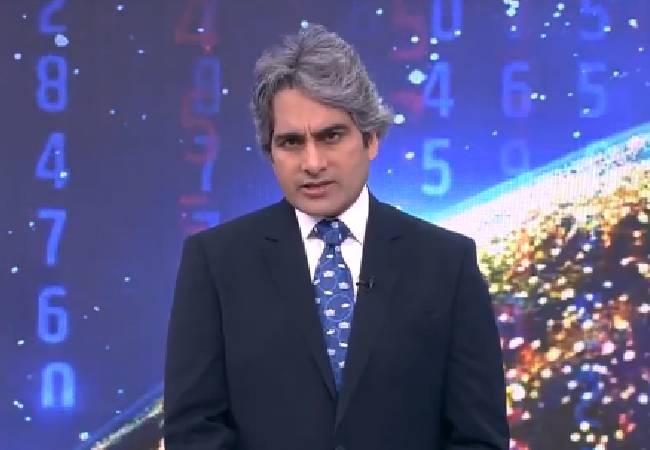
Social media fact-checker Mohammed Zubair criticized the PIB Fact Check for allegedly failing to address all sources of misinformation. He pointed out that while PIB referenced a screenshot from the Hindustan Times and a tweet from an individual, it overlooked a significant video shared by Sudhir Chaudhary, a government-funded anchor at DD News, which also propagated the false claim. Zubair tweeted that while the Hindustan Times corrected its report, the misleading video remained live, raising questions about the completeness of the fact-checking process.
Public Reaction and Critique
The public response to both the initial misinformation and the ensuing clarification has been mixed. While many appreciated the ministry’s efforts to promote health awareness, others were concerned about the potential backlash on traditional foods and the tendency of some media outlets to sensationalize health-related issues. The debate reflects a broader tension in society regarding health recommendations and cultural practices, highlighting how public health messaging can sometimes conflict with traditional culinary habits.
Why This Matters
This incident underscores critical issues involving media accuracy and public health in India. In a nation where food plays a central cultural role, any attempt at regulation or modification can provoke significant public debate. The potential stigmatization of beloved snacks raises concerns about dietary choices, public health priorities, and the relationship between government advisories and cultural practices. Additionally, the disparity in how media outlets are treated when spreading misinformation touches on broader issues of accountability and transparency in journalism.
Frequently Asked Questions
What was the health ministry’s actual advisory about?
The advisory recommended the display of “Oil and Sugar Boards” in workplaces to encourage healthier eating habits and raise awareness about hidden fats and sugars, without targeting specific food items.
Who criticized the PIB Fact Check?
Social media fact-checker Mohammed Zubair publicly criticized PIB Fact Check for selectively addressing sources of misinformation, particularly for ignoring a video that amplified the false claims.
Why is the misinformation significant?
The misinformation could lead to undue panic regarding popular Indian snacks, potentially affecting public perceptions and consumption patterns, which emphasizes the importance of accurate health communications.
What broader issues does this controversy touch upon?
This incident highlights the tensions between public health initiatives, media accountability, and cultural practices, underscoring the need for responsible reporting in health discourse.