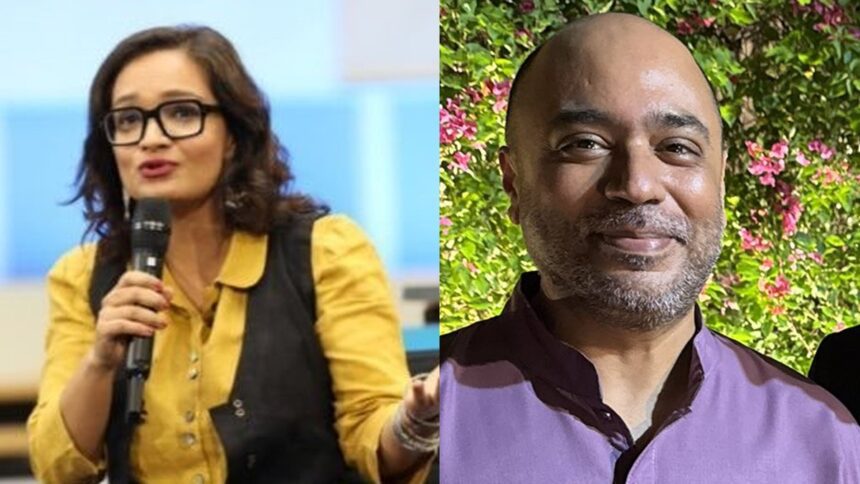

A Sessions Court in Delhi has recently stayed a Magistrate Court’s order for registering a First Information Report (FIR) against Abhijit Iyer-Mitra for allegedly making “objectionable” tweets about Newslaundry and its journalists. The Sessions Judge justified this decision by stating that the statements made by Iyer-Mitra are in the form of shayari (poetic verses) and do not specifically name any individual, thus raising concerns about the implications for online discourse, particularly regarding the treatment of women.
Context of the Case
The case arose when a complaint was filed against Abhijit Iyer-Mitra, a political commentator known for his controversial remarks, over tweets that were deemed to have crossed the line. These tweets were interpreted as derogatory towards journalists associated with Newslaundry, an independent media outlet. The initial order from the Magistrate Court called for the registration of an FIR, which prompted a reaction from Iyer-Mitra and his supporters, who claimed the tweets were artistic expressions.
The Court’s Rationale
The Sessions Court’s decision to stay the FIR indicates a significant stance on the interpretation of online speech. By framing Iyer-Mitra’s comments as shayari, the court highlighted a cultural nuance in Indian discourse, where poetry can often be interpreted in various ways. The Judge noted that no specific individuals were targeted by the tweets, leading to questions about accountability and the potential chilling effect on free speech. This ruling has implications not only for Iyer-Mitra but also for the broader conversation about the boundaries of satire and commentary in the digital age.
Implications for Online Discourse
The ruling is a double-edged sword. On one hand, it may encourage freedom of expression, allowing political commentators to express their opinions more freely. On the other hand, it raises concerns about the proliferation of online abuse, particularly against women and marginalized groups. Critics argue that such judgments may embolden abusive trolls, providing them with a legal shield under the guise of artistic expression. The incident sparks a dialogue about the responsibility of individuals online, especially regarding harassment and the protection of vulnerable communities.
Why This Matters
This case reflects the broader struggle for online civility in India. As social media platforms become arenas for political debate, the distinction between free expression and harmful rhetoric grows increasingly blurred. For Indian readers, this ruling highlights the tensions between safeguarding free speech and protecting individuals from harassment and abuse, particularly women. It raises critical questions about how laws can keep pace with rapidly evolving digital interactions that often flout conventional decency standards.
Frequently Asked Questions
What was the original complaint against Abhijit Iyer-Mitra?
The complaint alleged that Iyer-Mitra’s tweets contained derogatory remarks about journalists associated with Newslaundry, warranting legal action for potential defamation and harassment.
Why did the Sessions Court stay the FIR?
The Sessions Court concluded that the language used in Iyer-Mitra’s tweets could be interpreted as poetic statements rather than direct accusations against individuals, allowing him to avoid legal repercussions.
What are the potential impacts of this ruling on online behavior?
This ruling may embolden individuals to engage in unrestrained commentary online, potentially leading to increased cases of harassment, especially towards women, under the pretext of artistic freedom.
How does this case fit into the broader conversation about free speech in India?
This case underscores the ongoing tension in India regarding the balance between protecting free speech and curbing hate speech or harassment, particularly in the digital landscape. It raises critical questions about the role of courts in adjudicating these complex issues.