
Summary
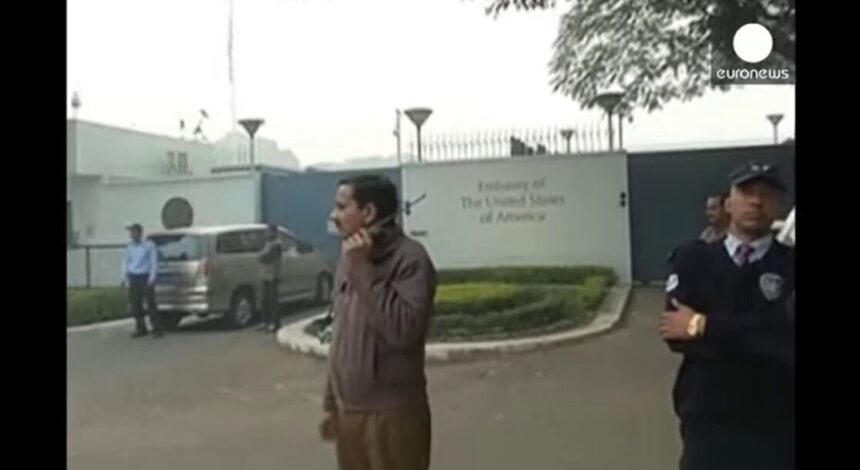
In a notable flashback to 2013, a critical moment in India-U.S. diplomatic relations is revisited, highlighting India’s response to the controversial treatment of an Indian diplomat by American authorities. The incident involved the removal of security barricades from the U.S. Embassy in New Delhi, reflecting the tensions fostered by the strip-search of the Indian diplomat. This event underlines the implications of diplomatic conduct and national pride, particularly during the tenure of then-Prime Minister Manmohan Singh’s government.
Background on the Incident
In December 2013, India’s diplomatic relations with the United States faced a severe strain when Devyani Khobragade, an Indian diplomat, was arrested in New York. The U.S. authorities accused her of visa fraud related to her housekeeper. The situation escalated dramatically when it was reported that she had undergone a strip-search during her detainment. This incident sparked outrage in India, leading to serious public and governmental backlash against the United States.
In response to the incident, India took concrete measures to convey its displeasure. These included the removal of security barricades that surrounded the U.S. Embassy in New Delhi, which served as a symbolic gesture representing the country’s anger over the treatment of Khobragade. The act not only represented a diplomatic protest but also reflected a broader sentiment of national indignation regarding the treatment of Indians abroad.
The 2013 Political Climate
During this period, India was led by Prime Minister Manmohan Singh, whose government faced criticisms for being perceived as weak and indecisive. This incident from 2013 highlighted the tension between external diplomacy and internal political pressure. Critics argued that Singh’s government was unable to effectively respond to challenges posed by foreign nations, which ultimately led to a perceived erosion of India’s stature on the global stage.
The response to the diplomat’s treatment was, therefore, not just a matter of diplomatic protocol but also a test of national unity and pride. The public outrage and governmental action represented a crucial moment for Singh’s administration, marking a point where the balance between national interests and diplomatic relations came under scrutiny.
Implications of the Diplomatic Response
The decision to remove security barricades from the U.S. Embassy was symbolic of India’s desire to reclaim agency in international relations. This incident underscored the complexities of diplomacy where cultural misunderstandings and differing legal practices can lead to significant diplomatic rifts. It raised questions about the treatment of diplomats and the requirements of host countries under international law.
Moreover, the situation highlighted the need for better dialogues between the U.S. and India regarding the treatment of diplomats and the recognition of cultural differences. As a response, both nations had to navigate the fallout while ensuring that such incidents didn’t disrupt their ongoing strategic partnerships.
Why This Matters
This incident remains significant for Indian readers as it serves as a reminder of the evolving dynamics in India-U.S. relations and the importance of safeguarding national dignity in diplomatic affairs. It invokes questions about how India positions itself on the global front, especially concerning the treatment of its citizens abroad. Furthermore, it illustrates the internal political ramifications that such diplomatic incidents can have, impacting public opinion and government policy. Analyzing episodes like these can contribute to understanding contemporary diplomatic challenges and the broader implications for India’s foreign policy.
Frequently Asked Questions
What triggered the removal of security barricades from the U.S. Embassy in New Delhi?
The removal was a direct response to the treatment of Indian diplomat Devyani Khobragade, who was arrested in the U.S. and accused of visa fraud, leading to national outrage over her treatment.
How did the Indian government respond to the incident involving Khobragade?
In addition to removing security barricades, the Indian government took several steps to express their displeasure, which included calling for a reevaluation of diplomatic ties and invoking diplomatic protocols.
Why was this incident significant for India?
This incident highlighted the need for India to assert its diplomatic rights and underscored the vulnerabilities faced by Indian diplomats abroad, while influencing public sentiment regarding the government’s stance on foreign relations.
What were the implications for U.S.-India relations after this incident?
While the incident caused significant tension, it also prompted discussions on improving diplomatic treatment and established a precedent for how both nations handle future occurrences involving diplomatic personnel.