
Summary
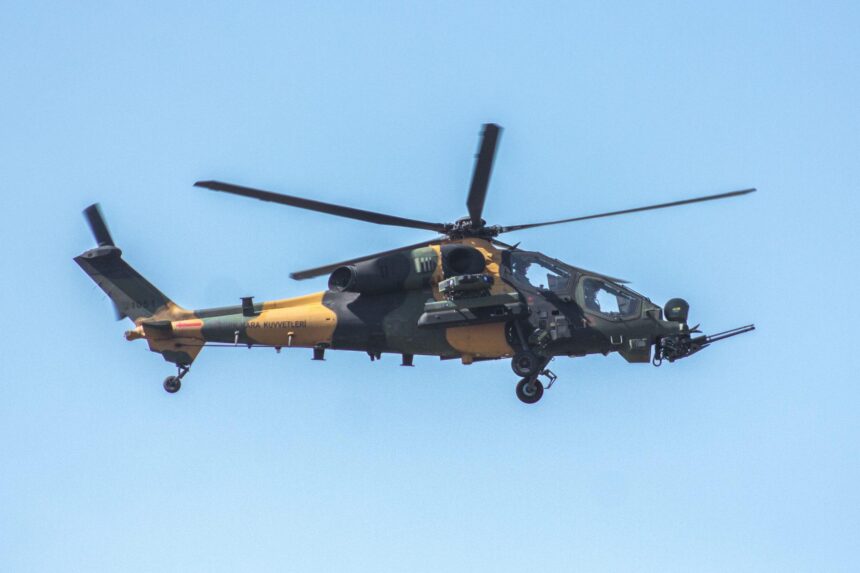
Recent developments have escalated tensions between the US and Iran, with President Trump alleging that an Iranian attack downed a US Apache helicopter near the strategic Strait of Hormuz. This incident, which left two crew members safe but the region on edge, exemplifies the growing volatility in an area already fraught with military operations and geopolitical conflicts.
Details of the Incident
According to President Trump, the AH-64 Apache helicopter was engaged in routine patrols when it was reportedly targeted by Iranian forces. The incident occurred in proximity to Omani waters, with the helicopter going down as a result. The US Central Command confirmed that both crew members are in stable condition and were successfully rescued using a US Navy autonomous surface vessel deployed to the area.
This scenario unfolds amid a backdrop of increasing military presence and operations by various stakeholders in the Gulf region. The ongoing military maneuvers, especially near Iran’s territorial boundaries, have drawn criticism, raising concerns of miscalculations that could lead to a significant escalation of conflict.
Regional Context and Implications
The Gulf region is a critical maritime corridor, with the Strait of Hormuz allowing for significant oil transit. Overlapping military activities have created an environment ripe for confrontation among multiple regional and international actors. Critics point out that external military deployments not only risk deepening instability but also threaten the balance of power in an already fragile geopolitical landscape.
With diplomatic efforts aimed at stabilizing relations facing continued setbacks, the incident further complicates negotiations among key players. The US military has yet to confirm the precise circumstances that led to the helicopter’s crash, and varying accounts of what transpired have only increased uncertainty in the region.
The Broader Impact on International Relations
The tensions stemming from this incident highlight the broader implications for international relations, particularly between the US and Iran. Whether the US will undertake a decisive military response remains uncertain, but Trump’s warning emphasizes the high stakes involved. With both parties on high alert, further military engagement from either side could drastically alter the already precarious balance in the Gulf.
Moreover, this incident occurs as diplomatic solutions remain elusive. Continuous military buildups by external powers could foster an atmosphere of mistrust, lowering the chances for meaningful dialogue. This situation adds pressure on communities living along these borders, increasing social and economic costs and perpetuating cycles of conflict.
Why It Matters
The situation surrounding this helicopter incident is crucial for global geopolitics and economic interests, particularly in energy markets. The Strait of Hormuz is a major thoroughfare for oil shipments, and any escalation in hostilities may threaten this vital route, impacting global oil prices and economic stability. Furthermore, ongoing military activities and territorial disputes complicate international efforts to foster a peace dialogue, potentially leading to broader conflicts that involve multiple nations.
Frequently Asked Questions
What led to the US Apache helicopter crash?
The crash was reportedly caused by an Iranian attack while the helicopter was conducting patrol operations near the Strait of Hormuz, pending further confirmation from US military investigations.
What is the current status of the crew members?
Both crew members aboard the helicopter are reported to be in stable condition and were rescued shortly after the incident by a US Navy vessel.
How has the US government responded to the incident?
President Trump has warned that the US will respond to the attack, raising concerns of further escalation between the US and Iran in a region already rife with tension.
What implications could this incident have on diplomatic relations with Iran?
The incident risks further straining US-Iran relations, complicating ongoing diplomatic efforts aimed at stabilizing the Gulf region amidst existing geopolitical frictions.