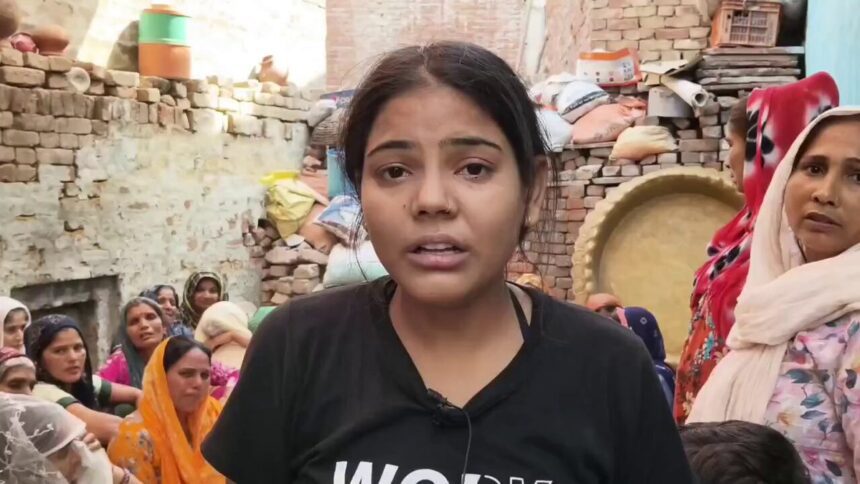

Tragic Death of a Young Bride Sparks Controversy in Uttar Pradesh
A recent incident in Hapur, Uttar Pradesh, has led to widespread outcry after a young woman named Sonam was reported dead under suspicious circumstances just a day after her marriage. While her family alleges it to be a case of dowry murder, in stark contrast, her in-laws claim it was due to an accidental electric shock.
The Incident: A Quick Overview
Sonam was married on June 6, and just a day later, on June 7, her family received the devastating news of her death. According to her sister, Sonam called her in a state of panic, expressing her discomfort and intention to return home. The sister claims that she had no inkling that Sonam would be killed that very evening.
The family of the deceased firmly believes that Sonam’s death is linked to dowry demands and has been seeking justice ever since. In India, dowry-related violence and deaths remain a significant societal issue, often hidden behind a veil of familial disputes.
Contradicting Claims and Investigation
Following the incident, the in-laws of Sonam have put forth their version, stating that she died due to a fatal electric shock. However, the family of the deceased is unconvinced and is firmly advocating for a thorough investigation into the circumstances surrounding her death.
The conflicting narratives raise important questions about the kind of justice system that assures transparency and fairness in such sensitive cases. Eyewitness accounts, phone call records, and social media activity may provide crucial evidence if formally examined.
The Broader Context of Dowry Violence in India
The tragic case of Sonam is not an isolated incident; it reflects a troubling trend of dowry-related violence in India. Despite legal frameworks against dowry, societal pressures continue to perpetuate this practice. Statistics show an alarming number of dowry deaths annually, and cultural attitudes often undermine the integrity of the judicial process for victims.
Law enforcement agencies frequently encounter familial resistance in these cases, leading to underreporting and inadequate investigation. Public awareness and activism have played vital roles in addressing this crisis, yet enforcement of existing laws remains a challenge.
Why This Matters
This case is indicative of the ongoing battle against dowry-related violence in India. It underscores the urgent need for systemic change in societal attitudes and the legal framework surrounding marriage and family dynamics. For Indian readers, understanding the societal implications of this incident could lead to more robust conversations about gender equality and justice for women.
The tragic ends of young brides need to serve as a clarion call for policymakers and civil society to work collaboratively to eliminate the scourge of dowry and its violent repercussions.
Frequently Asked Questions
What are the allegations against Sonam’s in-laws?
Sonam’s family alleges that her death was a result of dowry demands, while her in-laws claim that it was an accidental electric shock.
How does dowry violence impact Indian society?
Dowry violence has far-reaching social implications, perpetuating gender inequality and leading to numerous fatalities each year, thus creating a cycle of fear for young brides and their families.
What legal measures exist against dowry in India?
India has laws prohibiting dowry, including the Dowry Prohibition Act of 1961. However, enforcement remains weak, and many cases go unreported.
What can be done to prevent such tragedies?
Awareness campaigns, stricter law enforcement, and changing societal attitudes are crucial to combatting dowry violence and protecting women’s rights in India.