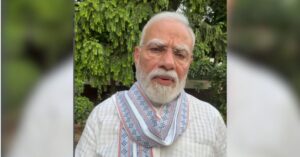

Recently, Ayush, a resident of Bareilly district in Uttar Pradesh, shared his traumatic experience of being verbally and physically assaulted by Satyam Pandit, a right-wing leader, near Jantar Mantar. Ayush expressed mistrust towards the Delhi Police and paramilitary forces, claiming they would not protect him due to their perceived alignment against his interests.
Incident Details
The incident occurred at Jantar Mantar, a prominent location for protests in New Delhi. Ayush recounted that he was targeted by Satyam Pandit, who is identified as the national president of the “Veer Hindu Sena.” The group has a controversial reputation, often accused of engaging in violent acts against those opposing their ideology. Eyewitnesses have reported that two other youths were also assaulted during the incident, raising concerns about the safety of protestors and minority voices in the region.
Political Climate of Intimidation
Ayush’s statement reflects a broader trend in India’s political landscape, characterized by rising tensions and violence against dissenters. The current socio-political environment has made many individuals feel vulnerable, especially those who oppose or criticize right-wing ideologies. The sentiment among groups opposing the current regime is that they cannot rely on state mechanisms for protection, leading to a culture of fear and intimidation. The government’s response to such incidents has often been criticized as inadequate, with calls for better protection of citizens, particularly during protests.
Right-Wing Violence and Accountability
Satyam Pandit, as a leader of the Veer Hindu Sena, embodies a faction of political activism that often resorts to violence to assert dominance. Such incidents, as highlighted by Ayush’s experience, raise significant concerns regarding accountability for these acts. Advocacy groups have been calling for measures to curb political violence, especially against marginalized communities. The impunity displayed by groups like the Veer Hindu Sena challenges the rule of law and democratic principles, leading to calls for legal reform and protective measures for citizens engaging in political expression.
Why This Matters
The assault on Ayush and its implications extend beyond individual experiences. It provides a lens through which to analyze the worsening environment for political dissent in India today. Recognizing the intersection between political ideology and citizen safety is crucial for safeguarding democracy. As more individuals express fear about their security during protests, the political landscape faces a critical challenge: how to protect dissent while allowing free expression. This situation poses important questions about the role of law enforcement and the government in fostering or undermining democratic values.
Frequently Asked Questions
Who is Satyam Pandit?
Satyam Pandit is the national president of the Veer Hindu Sena, a right-wing group known for intimidating those who oppose its ideology. He has been implicated in several violent incidents against protestors and minority groups.
What happened during the incident at Jantar Mantar?
Ayush was verbally and physically assaulted by Satyam Pandit while he was attempting to participate in a protest. Two other youths were also reportedly attacked during the same incident.
Why do some people fear the police during protests?
Many individuals, including Ayush, fear that law enforcement may not protect them during protests, especially against right-wing leaders like Satyam Pandit, whom they view as aligned with the government against dissenters.
What are the broader implications of this incident?
The incident reflects escalating violence against dissenters in India and highlights the growing atmosphere of fear and intimidation. It raises questions about the accountability of violent groups and the responsibility of law enforcement in protecting protestors.