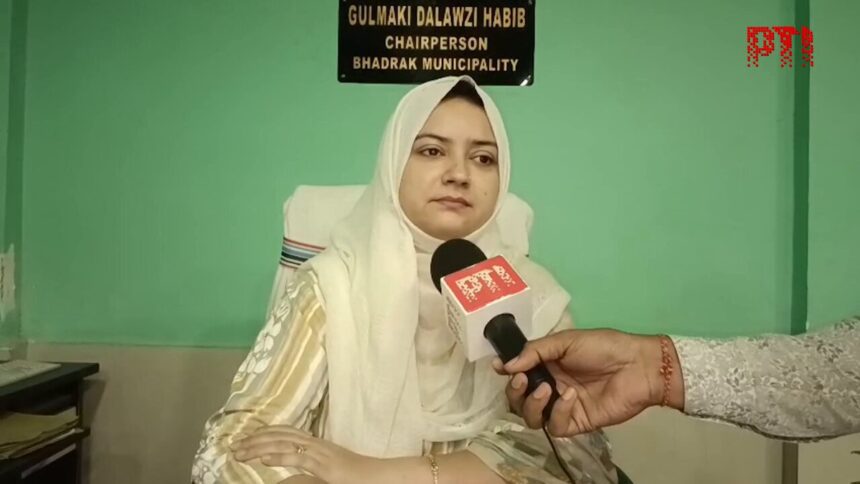

Chairperson of Bhadrak Municipality, Gulmaki Dalawazi Habib, raised concerns regarding allegations of eligible voters being targeted for deletion from electoral rolls in Odisha. She highlighted that a significant number of complaints, exceeding 100 to 200 per polling booth, were filed by a single individual against voters in areas with high Muslim populations, raising questions about the integrity of the electoral process.
Context of the Claims
The remarks made by Gulmaki Dalawazi Habib come amid ongoing work related to the State Information Report (SIR) in Odisha. This procedure is designed to update electoral rolls, ensuring that they accurately reflect the current population. However, an issue arose concerning the use of Form 7, which allows individuals to raise objections regarding the inclusion of voters in the electoral list. Habib pointed out that a disproportionate number of these complaints originated from one person, who does not even reside in the localities affected.
The Allegations
According to Habib, local authorities have witnessed a troubling trend: the targeted objection of voters, particularly in regions with a sizeable Muslim demographic. She noted that the influx of complaints could potentially jeopardize the electoral rights of numerous eligible voters. The system, which is meant to ensure the accuracy of electoral rolls, appears to be manipulated by external forces rather than by genuine local concerns. This revelation raises alarms about the fairness and transparency of the electoral process, especially in a politically charged environment.
Reactions and Implications
The allegations have garnered attention from various political commentators and stakeholders within the state. Critics argue that such complaints could be part of a strategy to disenfranchise voters, undermining democratic principles. Political parties in Odisha may find this situation alarming, as it can affect voter turnout and the overall legitimacy of the electoral process. The Bhadrak Municipality’s claims reflect broader concerns among many communities who fear for their political representation, particularly minority groups.
Why This Matters
The situation in Bhadrak is emblematic of larger issues within India’s electoral framework. The misuse of electoral processes to marginalize specific communities raises critical questions about democracy itself. For Indian readers, especially those invested in upholding fair elections, this incident underscores the need for vigilance against any attempts to manipulate the electoral system. It also calls for an examination of how such practices could potentially change the political landscape in Odisha and beyond, impacting representation and policy decisions in the future.
Frequently Asked Questions
What is Form 7 and how does it relate to electoral rolls?
Form 7 is a provision under the Representation of the People Act, allowing individuals to raise objections against the inclusion of specific voters in the electoral rolls if those voters are not residing in the area or are absent.
Why is the targeting of voters concerning?
Targeting eligible voters, especially from specific communities, can undermine the integrity of the electoral process, leading to disenfranchisement and creating an uneven playing field during elections.
Who filed the objections in Bhadrak?
The objections were filed by a single individual who does not belong to the localities, raising concerns about the legitimacy of these complaints.
What are the potential implications of this situation for the upcoming elections?
This incident could significantly affect voter turnout and the legitimacy of elections in Odisha, especially if eligible voters are unjustly removed from the electoral rolls.