
Harmonizing Divides: RSS Leader Advocates for Unity Among Hindus and Muslims
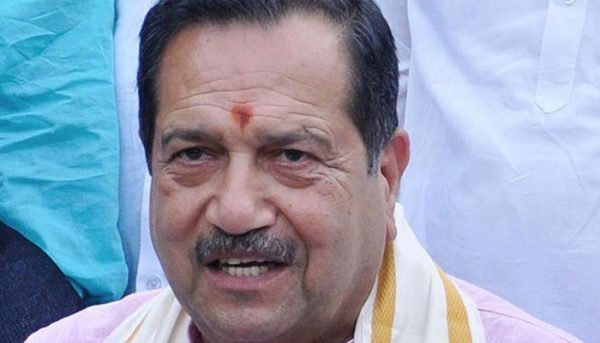
Indresh Kumar, a senior leader in the Rashtriya Swayamsevak Sangh (RSS), has expressed a strong belief that efforts to sow discord between Hindus and Muslims will ultimately fail. His comments come amidst increasing concerns over communal tensions in India, highlighting a call for unity and mutual respect between religious communities.
Communal Harmony as a Focus
In a recent press conference in Delhi, Kumar articulated that individuals and political parties aiming to create divisions based on religion will inevitably be met with resistance from the populace. He emphasized a growing sentiment among the youth, who he believes are beginning to associate education with broader national development. “A gradual transformation is taking place in the country,” stated Kumar, indicating a rise in civic consciousness among young people regarding their role in nation-building.
Kumar’s statements served as a reminder of his vision for a united society where communal harmony prevails over division. He described the event he was addressing as a powerful message of love, aimed at dispelling hatred. By challenging the outdated belief that Hindus and Muslims cannot coexist peacefully, he asserted that both communities should strive towards collective progress. “This event conveys a message of love and calls for the eradication of hatred,” he remarked.
Political Divisions and Public Sentiment
Kumar also warned that political factions attempting to harness religious sentiments for divisive gains will ultimately be judged by the people. The leader insisted, “Ultimately, the parties that seek to divide and fragment the country will inevitably face defeat one day. People will teach them a lesson.” This assertion highlights the potential backlash against political strategies that exploit religious differences, indicative of a broader societal desire for unity.
Indresh Kumar, who holds a significant position as a member of the RSS national executive and serves as chief patron of the Muslim Rashtriya Manch, has long been involved in efforts to foster dialogue with Muslim communities. Established in 2002, the Muslim Rashtriya Manch aims to facilitate an understanding of the RSS’s focus on national unity, counteracting narratives of exclusion that often surface in political discourse.
Ongoing Developments within the RSS
In related news, RSS chief Mohan Bhagwat has embarked on a five-day visit to Bihar, coinciding with significant RSS activities, including a workers’ training camp in Munger. Approximately 700 RSS volunteers from Bihar and Jharkhand are participating in leadership training sessions, underscoring the organization’s commitment to grassroots mobilization and community engagement.
This training initiative highlights the RSS’s focus on organizational strength and ideological unity, which may play a crucial role in shaping the party’s future strategies, especially as they navigate the complex landscape of Indian politics and communal relations.
Why It Matters
The discourse surrounding communal harmony is critical in the context of India’s diverse society, where narratives of division often overshadow calls for unity. Kumar’s statements illustrate a potential pivot towards inclusivity by prominent organizations such as the RSS, reflecting a response to social and political pressures. The outcome of this dialogue could significantly influence public sentiment and political dynamics in India, especially among the youth, who are becoming increasingly vocal about social justice and national identity.
Frequently Asked Questions
What is the RSS and its role in Indian society?
The Rashtriya Swayamsevak Sangh (RSS) is a Hindu nationalist organization in India that promotes the ideology of Hindutva, emphasizing Indian cultural identity. It seeks to foster community and national unity through a network of volunteers and organizational activities.
What is the Muslim Rashtriya Manch?
The Muslim Rashtriya Manch, established in 2002, is an initiative aimed at fostering dialogue with Muslim communities and promoting understanding of the RSS’s ideology centered on national unity, challenging narratives of exclusion.
What impact does communal tension have on Indian society?
Communal tension can lead to social fragmentation, violence, and deep-rooted mistrust between religious communities, impacting societal cohesion and overall national stability. It also influences political agendas and public policy decisions.
How do young Indians perceive education in terms of national development?
There is a growing awareness among young Indians that education is a critical tool for social progress and national development. Many view it as a means to build a more inclusive and prosperous society.