
Police Officer Suspended for Misconduct at Pune Cafe
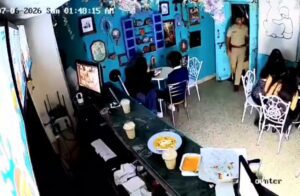
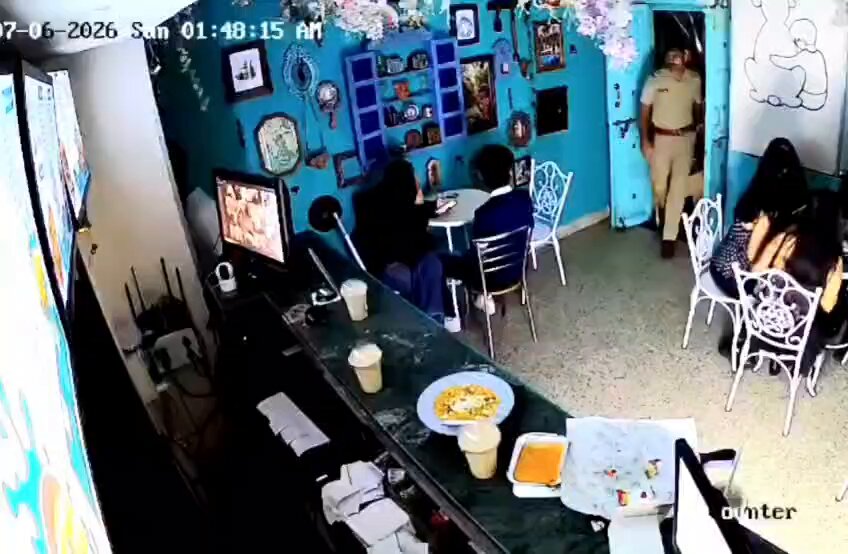
A police officer from Pune’s Deccan Police Station has been suspended after being caught on video misbehaving with patrons and staff at a local cafe during his night patrol. The incident became widely known after a CCTV video detailing the officer’s behavior went viral on social media, prompting swift disciplinary action from the authorities.
Incident Description and Immediate Reaction
The incident involving the police sub-inspector (PSI) unfolded late at night in a popular cafe in Pune’s Deccan area. According to reports, the officer was on duty but acted inappropriately towards both customers and the establishment’s staff. Upon the release of video footage from the cafe’s CCTV, reactions from the public and media were immediate and fervent.
Local social media platforms took up the call for action, and the video quickly gained traction, leading to widespread condemnation of the officer’s conduct. The swift suspension of the PSI indicates a clear stance from the Pune police regarding accountability and appropriate behavior by law enforcement officials.
Impact of Social Media on Accountability
This incident underscores the increasingly powerful role of social media in holding public servants accountable. With the video going viral, the local community not only expressed their discontent over the officer’s behavior but also rallied for accountability in the police force. The public’s ability to share and amplify such incidents can prompt quick administrative responses, as seen in this case.
Moreover, it highlights the delicate balance that law enforcement must maintain between authority and public trust. With increased scrutiny through digital platforms, police forces across India may be compelled to enforce stricter codes of conduct among their personnel.
The Broader Context of Police Misconduct
This event is not an isolated case but reflects a broader issue of police misconduct in India. Various reports and studies have documented instances of inappropriate behavior by officers, raising concerns over police conduct and the need for reforms within the force. Incidents like these fuel public discourse on police reform, transparency, and the need for mechanisms to report and address misconduct effectively.
There is also a growing demand for improved training and public engagement strategies within police departments to prevent such incidents from occurring in the future. Understanding the cultural dynamics and expectations from law enforcement can bridge the gap of distrust that often exists between the police and the community.
Why This Matters
The suspension of the PSI has important implications for civil-police relations in India. In a democracy, the police are expected to serve and protect the community. Instances of misconduct jeopardize this relationship and can lead to public outcry and unrest.
Furthermore, as social media continues to serve as a platform for civic engagement, the ability for citizens to highlight issues of misconduct can lead to more responsible governance. This incident stands as a reminder of the critical role that public scrutiny plays in maintaining institutional integrity and accountability in law enforcement.
Frequently Asked Questions
What actions were taken against the PSI involved in the incident?
The police sub-inspector (PSI) was suspended following the revelation of his inappropriate behavior caught on CCTV footage.
How did the video of the incident go viral?
The video, recorded by CCTV in the cafe, was shared widely on social media platforms, garnering significant public attention and outrage.
Why is police conduct a significant issue in India?
Police conduct is crucial as it directly impacts public trust and safety. Misconduct can lead to a breakdown in community-police relations and demands for reform.
How can social media influence police accountability?
Social media acts as a platform for citizens to voice concerns and demand accountability. Viral incidents can prompt immediate actions from authorities, making it a tool for civil oversight.