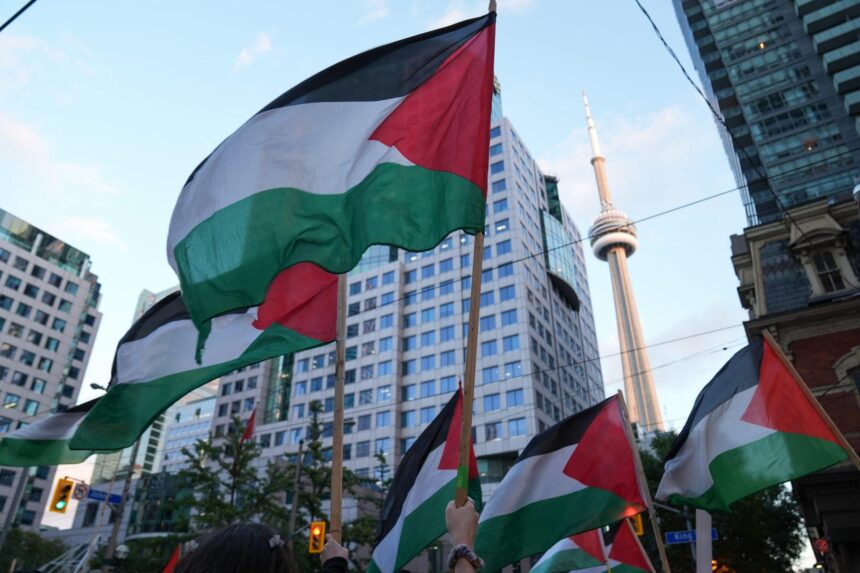

Brad Bradford is a Toronto councilor from Beaches-East York who has shown a striking trajectory amid political tussles concerning support for Israel, particularly during the ongoing conflict in Gaza. As he aims for the mayoral chair, his recent maneuvers reflect a complex political strategy shaped by a controversial stance on Palestine and Israel, highlighting a tension between political ambitions and ethical considerations.
Brad’s Political Aspirations and Strategies
Brad Bradford originally made a bid for the mayoral seat in the June 2023 byelection triggered by John Tory’s resignation, finishing eighth with under 10,000 votes. Now, he stands in second place for the upcoming elections, indicating a shift in his electoral prospects. His campaign has been marked by a willingness to prioritize political gain over ethical stances, particularly in the context of his public support for Israel amid serious humanitarian crises in Gaza.
In his quest for the mayoralty, Bradford has made openly partisan statements endorsing Israel, which many view as a means to garner support from an influential voter base while turning a blind eye to the humanitarian issues resulting from Israel’s military actions. He has faced backlash for his silence regarding the more than 16,000 young girls killed in Gaza due to Israeli airstrikes.
The Controversial Use of Political Discourse
Bradford has repeatedly weaponized accusations of antisemitism to suppress dissent against his pro-Israel stance. He conflates Zionism with Judaism, stifling pro-Palestinian rallies and labeling them as “unlawful pro-Hamas rallies.” His remarks, particularly during interviews, have been criticized for lacking acknowledgment of ongoing violence against Palestinians.
In an interview on June 4, when discussing antisemitic violence in Toronto, Bradford stated that “we have become a global center for this type of abhorrent behavior,” while failing to mention Israeli military actions in Gaza. This selective narrative exemplifies a broader trend in Canadian politics where individual narratives are utilized to consolidate political power rather than human rights.
Local and Global Implications of Bradford’s Actions
Bradford’s tactics reveal a troubling intersection of local municipal governance and international human rights issues. By strongly advocating for the criminalization of pro-Palestinian sentiments under the guise of community safety, Bradford not only undermines free speech but also perpetuates cycles of discrimination against marginalized communities. His call for legal injunctions against peaceful demonstrations casts doubt on his commitment to democratic values.
With Toronto as a culturally and ethnically diverse city, Bradford’s attempts at political posturing could alienate constituents, particularly within the city’s Muslim and pro-Palestinian communities. With each public statement, he raises questions about the authenticity of his political identity—oscillating between placating pro-Israel supporters and engaging with the Muslim community for electoral gain.
Why It Matters
The implications of Bradford’s actions extend far beyond local politics. They underscore a significant concern regarding the influence of political ideologies on governance and the pressing need for accountability in political discourse. As marginalized communities face increasing scrutiny and pushback, Bradford’s methodology signals a dangerous normalization of discrimination in political rhetoric. A critical examination of such local political figures is crucial for understanding broader global dynamics regarding governance, peace, and justice.
Frequently Asked Questions
What is Brad Bradford’s political stance regarding Israel and Palestine?
Bradford has been openly supportive of Israel, making controversial statements backing Israeli actions and calling for injunctions against pro-Palestinian demonstrations.
How has Bradford’s support for Israel been received by the community?
His stance has led to criticism from various community groups, particularly among pro-Palestinian activists who view his rhetoric as discriminatory against marginalized communities.
What actions has Bradford taken regarding pro-Palestinian rallies?
Bradford has labeled pro-Palestinian rallies as unlawful and has actively sought court injunctions to ban events like Al Quds Day, which he associates with antisemitic rhetoric.
Why is Bradford’s approach significant for future political discourse?
His actions illustrate a broader trend of political leaders using their platforms to silence dissent and marginalize voices, which can have lasting implications for free speech and democratic engagement in diverse societies.