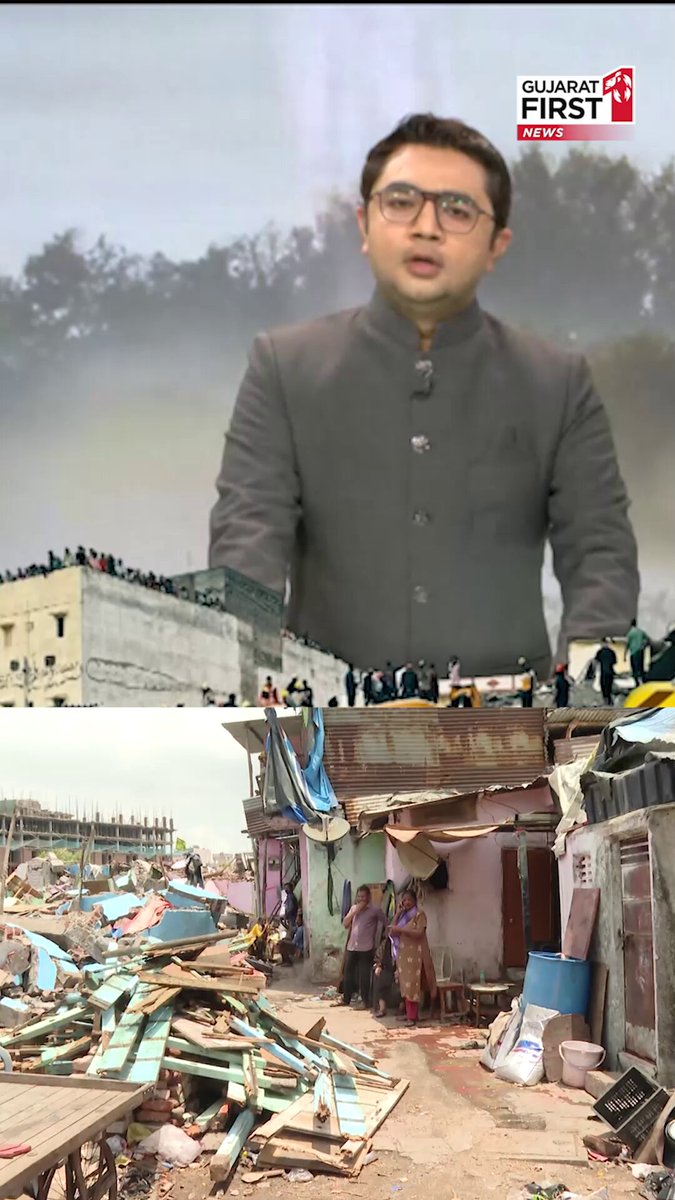

In a shocking incident in Surat’s Kataragam Nasirnagar area, 100 houses were reportedly demolished during the day, raising questions about accountability. While the Surat Municipal Corporation (SMC) claims no role in the demolitions, the involvement of police and officials has left many residents homeless, prompting concerns about whether this reflects negligence within the administrative system or the workings of a larger network.
Context of the Demolitions
The demolitions in Nasirnagar have triggered outrage among the local population, as hundreds have been left without homes. Reports indicate that the area saw the destruction of substantial residential properties, ostensibly to clear the land for redevelopment or other municipal purposes. However, clarity regarding who authorized the demolitions remains blurred—local authorities deny involvement, while police presence during the demolition raises questions about potential collusion.
Claim of Responsibility
Surat Municipal Corporation, which should typically manage urban development and housing regulations, has distanced itself from the demolitions. This disconnect has sparked accusations of negligence. The absence of an official response about the demolitions from municipal authorities or a plausible explanation for the police’s role has added to community unrest, eroding trust in local governance.
The Voices of the Affected
Local leaders, including MLA Vinu Moradiya, have expressed profound concern for the displaced residents. Moradiya, in an exclusive discussion, emphasized the lack of communication and transparency from government bodies. He posed critical questions to the public and officials alike, demanding to know the true nature of the demolitions and the rationale behind them. His advocacy highlights the urgent need for accountability in local governance and the necessity for residents to have clarity regarding their rights and protection under the law.
Why This Matters
The events in Surat resonate deeply within the political landscape of India, where urban development often comes at the expense of vulnerable communities. The demolitions serve as a stark reminder of the vulnerabilities faced by residents in cities across India, particularly in an environment rife with rapid urban development often lacking adequate regulatory frameworks. Such incidents challenge the structural integrity of governance and spark vital conversations about residents’ rights, municipal accountability, and the implications of unchecked administrative power.
Frequently Asked Questions
What prompted the demolitions in Surat’s Nasirnagar?
The demolitions appear to be part of a broader initiative to clear land, possibly for development or urban planning, but the exact reasons remain unclear due to conflicting accounts from local authorities.
Who is responsible for the demolitions if the Municipal Corporation denies involvement?
The lack of clarity and accountability from various levels of government raises questions about possible collusion or systemic negligence. The police were present during the events, suggesting official sanction but no clear responsibility has been assigned.
What actions are local leaders taking in response to this incident?
Local leaders, including MLA Vinu Moradiya, are advocating for the rights of the displaced and demanding accountability from municipal authorities, urging the government to clarify its role and address the needs of affected residents.
What are the implications for urban governance in India?
Such incidents highlight broader issues regarding urban governance in India, including residents’ rights, civic responsibility, and the potential for abuse of power by officials. They underline the urgent need for regulatory reforms to protect vulnerable populations.