
The Impact of Ayatollah Syed Ali Khamenei’s Legacy on Muslim Unity and Relations
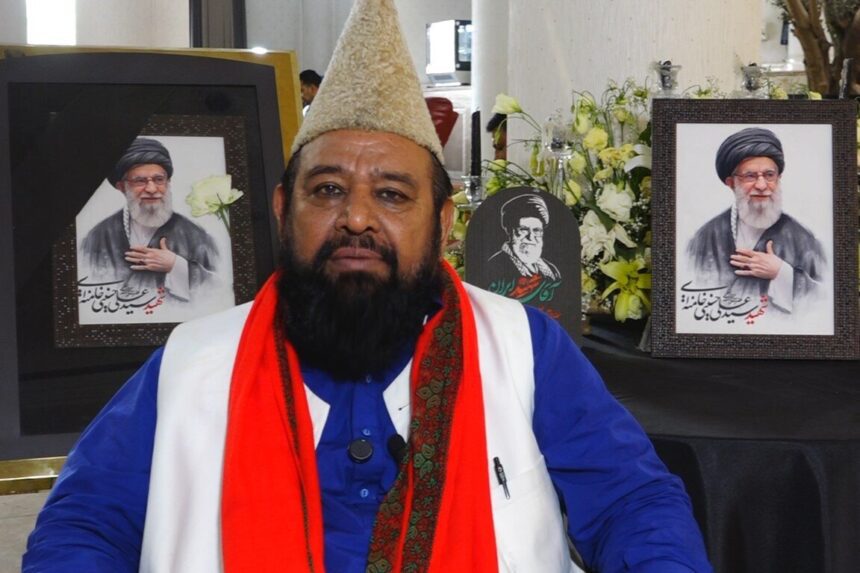
The martyrdom of Ayatollah Syed Ali Khamenei marks a significant moment not only for Iran but also for the global Muslim community. Mufti Syed Ashiq Hussain, a prominent religious figure in Pakistan, emphasized the profound loss that the late leader’s death signifies for humanity, highlighting his unwavering commitment to Islam and justice.
Observations from the Funeral Ceremonies
During his recent visit to Iran, Mufti Ashiq Hussain participated in the funeral ceremonies and observed an extraordinary outpouring of grief and respect from the Iranian people. He noted the exceptional hospitality experienced in Tehran, Qom, and other cities where Pakistanis were warmly welcomed. At the ceremonies, slogans were chanted celebrating the enduring friendship between Pakistan and Iran, reflecting cultural and religious bonds that transcend national boundaries.
The participation of millions of mourners at the funeral illustrated the deep admiration that Iranians harbor for Khamenei. This event also served as a backdrop for the gathering of religious scholars, diplomats, and delegations from various countries, including Pakistan, showcasing the significance of unity among Muslim nations during a time of mourning.
Building Bridges Through Dialogue
Mufti Ashiq Hussain’s eight-day stay included fruitful discussions with senior scholars from Qom’s seminary, university officials, and representatives from various religious institutions. The focus of these meetings was not only on preserving religious unity between Sunni and Shia Muslims but also on fostering mutual respect and encouraging collaborative efforts to tackle issues affecting the broader Muslim community.
The exemplary organization of the funeral ceremonies, with dedicated volunteers providing essential services such as food and water, highlighted the public spirit and discipline of the Iranian people. Mufti Hussain praised this which served to solidify communal ties and foster goodwill among attendees, reiterating the importance of cooperation in challenging times.
Why It Matters
The loss of a prominent leader like Ayatollah Khamenei reshapes the geopolitical landscape of the Muslim world. The gatherings in Iran serve as a reminder of the strong cultural and religious ties that can exist between countries like Pakistan and Iran, especially against a backdrop of rising sectarian divides and political tensions within and across borders. Understanding this dynamic is essential for both regional stability and the collective Islamic solidarity that many advocate for in the face of discrimination and marginalization faced by Muslims worldwide.
Frequently Asked Questions
What role did Ayatollah Khamenei play in the Muslim community?
Ayatollah Khamenei was a significant figure in promoting justice and defending Islamic sanctities, leaving a lasting impact on the global Muslim Ummah.
How did Mufti Ashiq Hussain contribute to Khamenei’s legacy?
Mufti Ashiq Hussain emphasized Khamenei’s contributions during his visit to Iran, participating in mourning ceremonies and engaging in dialogues aimed at fostering unity among Muslim communities.
What were the main themes of Mufti Hussain’s discussions in Iran?
The discussions focused on enhancing unity between Sunni and Shia Muslims, promoting mutual respect, and encouraging cooperation on issues of interest to the wider Muslim community.
Why is the relationship between Pakistan and Iran significant?
The relationship is crucial due to historical, cultural, and religious ties, which can influence regional stability and foster cooperation amidst rising sectarian tensions.