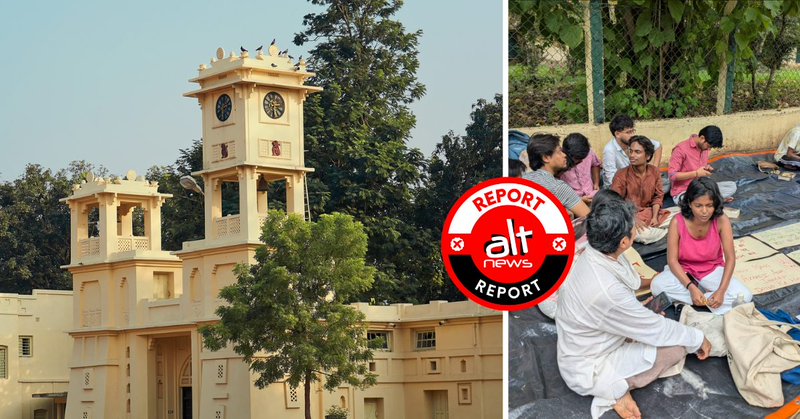

A recent solidarity protest for activist Sonam Wangchuk in Santiniketan was marred by violence, as members of the Akhil Bharatiya Vidyarthi Parishad (ABVP) allegedly clashed with demonstrators. Various student groups from Visva-Bharati University have accused ABVP members of physical assault, while the latter claims that the protest was “anti-national.” This incident highlights the ongoing tensions in Indian university politics and the polarizing nature of activism in the country.
Context of the Protest
The protest in question was organized to express support for Sonam Wangchuk, a prominent environmental activist known for advocating sustainable development in the Himalayas. His work focuses on the impact of climate change on local communities, particularly in Ladakh. The event was meant to unite students and activists in solidarity against the broader issues plaguing environmental advocacy in India.
However, tensions escalated when ABVP members intervened, alleging that the protest comprised anti-national sentiments. Such claims are not unusual in the current political climate, where terms like “anti-national” are often used to delegitimize dissenting voices. This particular incident underscores how deeply divided Indian universities have become, reflecting larger societal divides.
The Clashes and Responses
The confrontation reportedly occurred on a Saturday when several students were engaged in a peaceful demonstration. Eyewitness accounts from the Visva-Bharati community detail a distressing scene where ABVP members allegedly assaulted students who were participating in a hunger strike. This has led to heightened anxiety among students regarding their safety and freedom of expression on campus.
In response to the allegations of violence, the ABVP denied any wrongdoing, arguing that their actions were a necessary response to what they termed “anti-national” rhetoric from the protesters. They have historically positioned themselves as defenders of national integrity and youth interests, thus framing their involvement in confrontations as a patriotic duty.
The Broader Implications
This incident is emblematic of a troubling trend where university campuses have become battlegrounds for ideological conflicts. The clash not only serves as a flashpoint for the immediate community but resonates with the broader political landscape of India, where dissent is often met with hostility from government-affiliated organizations.
As activism grows more contentious across the country, incidents like this one cast a long shadow over the spirit of open discourse and debate in educational institutions. The potential repercussions for students engaged in political activism might discourage participation, thereby stifling critical dialogue on pressing issues like climate change, governance, and civil liberties.
Why This Matters
The Santiniketan protest and the resulting clashes are significant for several reasons. First, they illustrate the ongoing struggle for free expression and the right to protest in India, particularly within the academic community. The current political environment has intensified scrutiny on student activism, leading to fears of repression.
Second, this incident reflects a wider trend in which educational institutions are being used as arenas for expressing or suppressing nationalistic sentiments. This positioning can have serious implications for how future generations engage with socio-political issues.
Finally, the incident underlines the responsibilities of educational institutions to uphold democratic values and protect the rights of their students. The violence at Santiniketan serves as a wake-up call, emphasizing the need for policies that foster a culture of respectful discourse and safeguard against intimidation.
Frequently Asked Questions
What was the purpose of the protest?
The protest aimed to show solidarity for Sonam Wangchuk and raise awareness about environmental issues affecting local communities in India.
What is the ABVP’s stance on the protest?
The ABVP claims that the protest was anti-national and justifies their intervention as a means of protecting national integrity.
How have students at Visva-Bharati responded to the incident?
Students have expressed feelings of insecurity and fear regarding their ability to engage in political activism freely, claiming they were assaulted during the protest.
What are the implications of this protest for student activism in India?
This incident underscores rising tensions around student activism and free speech in India, raising concerns over the potential for repression of dissenting voices on university campuses.