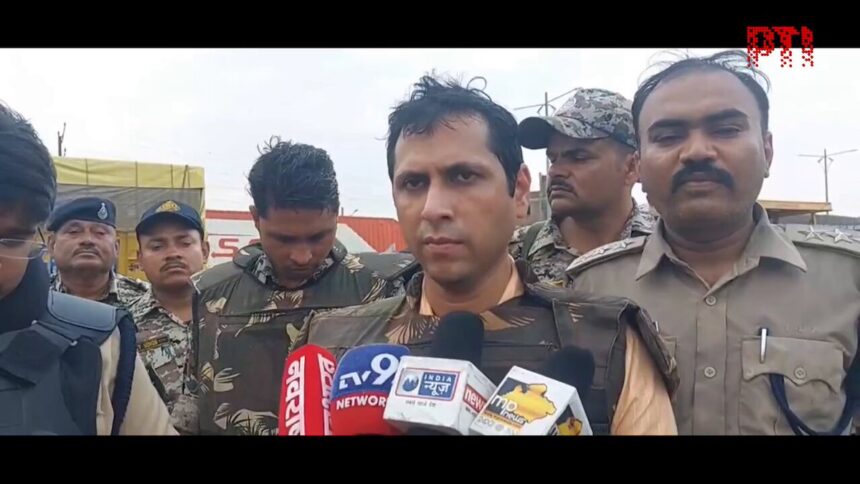

A protest following the denial of a BJP ticket to former Madhya Pradesh minister Narottam Mishra led to an extensive traffic jam lasting 11.5 to 12 hours in Datia, where both buses and an ambulance were stuck. The protests escalated into clashes with the police, resulting in the deployment of tear gas to disperse the crowd.
Background of the Protests
The recent protests in Madhya Pradesh are rooted in the BJP’s decision to deny Narottam Mishra a ticket for the upcoming Datia Assembly bypoll. As a former minister, Mishra had significant support, and his exclusion sparked discontent among local party workers and supporters. The BJP, often known for its centralized decision-making, faces challenges when local leaders feel sidelined, which can lead to unrest among their base.
The Traffic Jam Incident
According to Swapnil Wankhade, the District Magistrate of Datia, the protests resulted in an unprecedented 11.5 to 12-hour traffic jam. This jam not only affected the usual flow of traffic but also halted public transportation and emergency services. Reports mention that an ambulance was stuck in the jam, highlighting the severe implications of the protest. Wankhade noted that attempts to reason with the protestors were met with hostility, leading law enforcement to resort to tear gas to disperse the crowd safely.
Police Response and Community Impact
The official account from the District Magistrate emphasized that police did not resort to a lathi charge or any severe force during the protests, focusing instead on crowd control methods such as tear gas. This approach underscores a shift in policing strategies during civil unrest, aiming to prioritize safety while minimizing violence. However, the protests raised concerns regarding public order and the efficacy of communication between the BJP leadership and its grassroots workers. Many in the community may feel that political maneuvering has taken precedence over local needs, intensifying grievances and potential divides within the party.
Why This Matters
The events in Datia reflect larger trends within Indian politics, particularly for the BJP as it navigates the complexities of local versus central party dynamics. With crucial elections approaching, the handling of dissent among party workers is critical for maintaining voter base coherence. The situation in Datia may serve as a bellwether for the BJP’s strength in the region and its ability to manage internal conflicts while presenting a united front to the electorate. Furthermore, the public’s access to emergency services during protests raises ethical questions about civil disorder, invoking potential political repercussions for any party involved.
Frequently Asked Questions
What triggered the protests in Datia?
The protests were triggered by the BJP’s decision to deny a ticket to former minister Narottam Mishra for the Datia Assembly bypoll, causing discontent among his supporters.
How long did the traffic jam last?
The traffic jam lasted approximately 11.5 to 12 hours, significantly disrupting local transportation and emergency services.
What measures did the police take during the protests?
The police deployed tear gas to disperse the crowd after attempts to reason with protestors were met with resistance, including stone-pelting.
Why is this incident significant for the BJP?
This incident is significant as it highlights the challenges the BJP faces in managing dissent within its ranks and maintaining party unity ahead of important elections.