
Summary of Zubair’s Arrest and Journalist Support
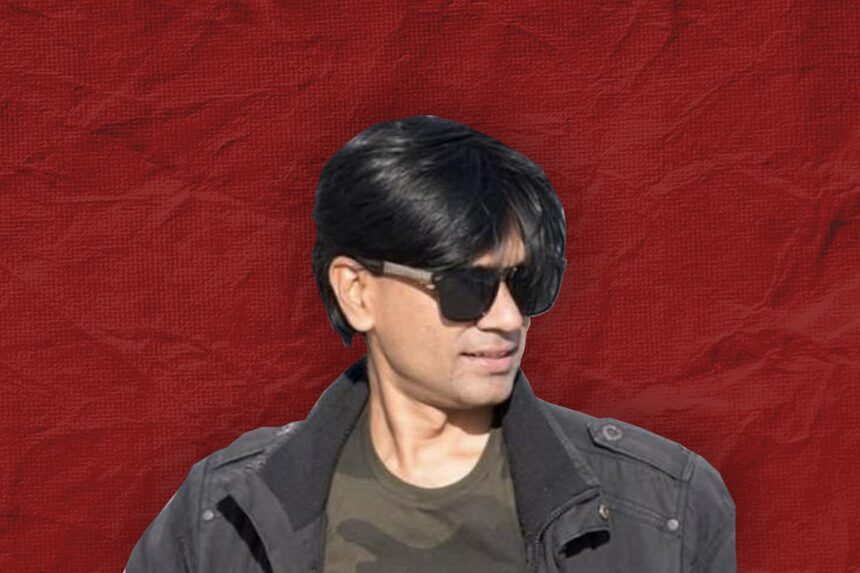
Journalist Mohammed Zubair, known for his critical stance against misinformation, was recently arrested, prompting outrage from various media professionals. Notable journalists like Rana Ayyub have condemned the government’s actions, linking them to a broader pattern of repression against those who expose the truth in India.
Context of the Arrest
The arrest of Mohammed Zubair, co-founder of the fact-checking website Alt News, has occurred in a climate increasingly hostile to dissent. Zubair has been a prominent figure in countering misinformation and has spotlighted hate speech related to communal tensions in India. His apprehension, which some claim is a direct result of his journalistic activities, symbolizes the growing challenges faced by independent reporters who challenge the prevalent narratives.
The Response from the Journalistic Community
Since Zubair’s arrest, several journalists have rallied in his support. Rana Ayyub tweeted her condemnation, emphasizing that the Prime Minister of India, who often speaks of the Emergency’s horrors, has unleashed a similar situation in the present day. Ayyub’s remarks highlight a divide between the government’s rhetoric and its actions against journalists who try to document societal issues.
Other journalists, including Rukmini S and Nitin Sethi, have echoed Ayyub’s sentiments, stressing the importance of ensuring the safety and freedom of the press. Their collective outrage underscores a growing concern over press freedom in India, which is perceived to be on a decline due to increasing governmental pressure and censorship.
The Broader Implications for Press Freedom in India
This incident is not an isolated one; it fits into a disturbing trend where journalists face legal repercussions for their work. Activists argue that the Indian government has been employing various tactics to curb free speech and intimidate those uncovering uncomfortable truths. The arrest of Zubair, who had been instrumental in uncovering false narratives, sends a chilling message to other journalists about the potential consequences of their reporting.
In this context, the media’s ability to hold the government accountable remains critical. A vigilant press is essential for a healthy democracy, and the ongoing repression could compromise this essential function. Journalists and commentators continue to advocate for Zubair, hoping to inspire a more significant movement for press freedom in the country.
Why This Matters
The arrest of Mohammed Zubair is a microcosm of the broader battle for freedom of expression in India. As the government increasingly suppresses dissent, this incident spotlights the risks that journalists face when they challenge the status quo. For Indian readers, Zubair’s situation represents not only a personal struggle but also a pivotal moment in the defense of democracy and free speech in the country.
Given the growing polarization in Indian society, the government’s reaction to narratives that oppose its own could lead to further erosion of civil liberties. Support for Zubair by other journalists exemplifies the importance of solidarity in the face of adversity, illuminating the pressing need to protect freedom of expression for all citizens.
Frequently Asked Questions
What led to Mohammed Zubair’s arrest?
Zubair’s arrest is believed to be linked to his work in countering misinformation and exposing hate speech in India, particularly concerning communal tensions.
Who has expressed support for Zubair?
Several prominent journalists, including Rana Ayyub, Rukmini S, and Nitin Sethi, have voiced their support, criticizing the government’s actions as oppressive.
What does this incident signify for press freedom in India?
This incident highlights the increasing risks faced by journalists in India and raises concerns about the future of press freedom amid rising governmental pressures.
How has the government responded to criticisms regarding Zubair’s arrest?
As of now, the government has not addressed the widespread backlash from the journalistic community, which continues to grow in the wake of Zubair’s arrest.