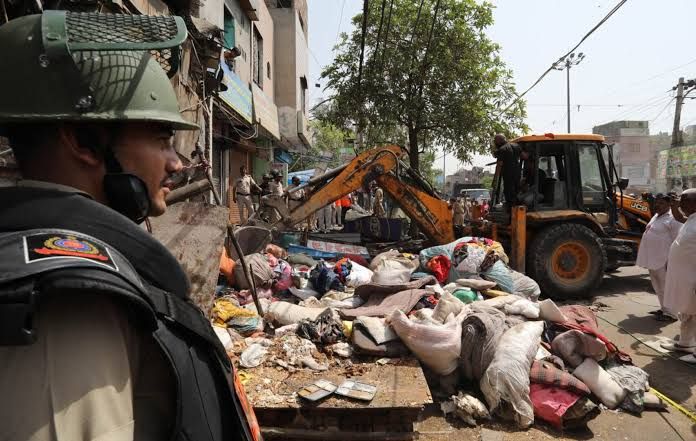

Summary of Recent Demolitions in Gujarat
In a troubling incident reflecting ongoing discrimination, around 100 homes were demolished in the Muslim-majority settlement of Nasir Nagar in Surat, Gujarat, between May 30 and June 1. Residents are grappling with the aftermath of this operation, which was conducted without prior notice, leaving many families homeless.
The Incident in Detail
The demolition operation was carried out under controversial circumstances, according to reports from Kashmir Media Service. Local authorities announced the operation was aimed at removing illegal structures, but residents claim the buildings had been established for years. As bulldozers razed their homes, families were left in the open, grappling with profound loss and uncertainty about their future.
Eyewitness accounts describe the scene as heart-wrenching, with women and children pleading with officials as demolition crews moved in. The lack of any prior notification from government entities raises critical questions about governance and responsibility; no department has come forward to accept accountability for this operation.
Background: Historical Context of Marginalization
The demolition of homes in Muslim communities is not an isolated event but rather part of a broader pattern. Over recent years, the rhetoric and actions of the Bharatiya Janata Party (BJP) and its affiliated organizations have increasingly marginalized Muslim populations, particularly in states with BJP governance. Critics argue that such actions are displacing entire communities without due process, violating basic human rights and exacerbating longstanding tensions in the region.
This incident echoes similar operations in areas deemed ‘illegal’ by authorities while often sparking outrage over perceived injustice. The state of Gujarat has witnessed significant communal strife, and demolishing homes adds to the grievances of marginalized populations already facing economic and social exclusion.
Community Response and Wider Implications
The local Muslim community is outraged, voicing their dissatisfaction through protests and demands for accountability. Activists and human rights organizations have condemned the demolitions as a tactic of intimidation aimed at suppressing community dissent. This incident has garnered significant attention on social media and traditional news platforms, sparking discussions about the ongoing plight of minorities in India.
Authorities face increasing scrutiny about their commitment to human rights, which could have political ramifications in the long term. As these events unfold, they may galvanize further advocacy for justice and policy reform aimed at protecting vulnerable populations within India. The national and international community watches closely as the situation develops, hoping for resolution and restoration of rights for those affected.
Why It Matters
This situation in Gujarat highlights ongoing discrimination against minority communities, which is crucial for understanding social dynamics in India today. It indicates how governmental actions can affect local communities and demonstrates the gap between governmental policy and the needs of minority populations. The global audience must remain informed about such developments, as they can affect international perceptions and policies toward India. This incident raises important questions regarding human rights, governance, and the societal framework within which such actions occur, stressing the need for accountability and justice.
Frequently Asked Questions
What are the implications of the demolitions for the affected families?
The demolitions leave families without homes and essential resources, often forcing them into precarious living situations that can result in further marginalization and destitution.
How have local and national leaders responded to this incident?
As of now, there has been a lack of accountability from local leaders, with no government departments taking responsibility for the operation, further fueling community anger and demands for justice.
What is the historical context of discrimination against Muslims in India?
Muslims in India have faced various forms of discrimination, particularly in regions governed by BJP, including economic exclusions, communal violence, and legal struggles over property and rights.
What actions can concerned citizens take regarding these events?
Concerned individuals can raise awareness about the issue, support human rights organizations advocating for marginalized communities, and engage in peaceful protests to demand accountability and justice.