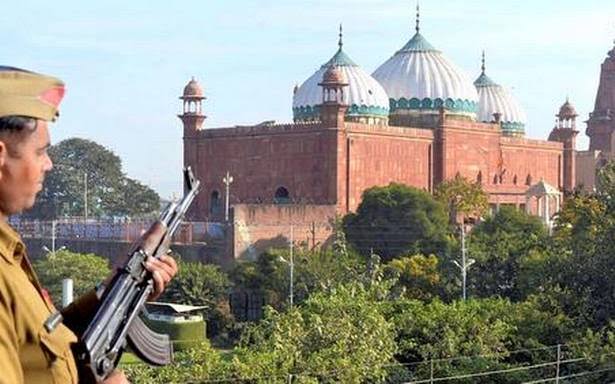

Ongoing Dispute Over Sri Krishna Janmabhoomi and Shahi Idgah
The longstanding dispute between the Sri Krishna Janmabhoomi Trust and the Shahi Idgah mosque authorities in Mathura has seen fresh efforts for an amicable settlement as directed by the Supreme Court of India. However, recent discussions between both sides yielded no conclusive results, leading to a schedule for further talks on August 18, which highlights the complexities surrounding religious claims and land rights in India.
Background of the Dispute
The conflict originates from allegations by Hindu petitioners who argue that the Shahi Idgah mosque was constructed in the 17th century on the very site believed to be the birthplace of Lord Krishna. This contention has resulted in a series of legal battles that have persisted for years. The site in question is part of a 13.37-acre plot claimed by around 18 petitioners, asserting their devotion to Lord Krishna and demanding restitution of the land to the temple trust.
In the most recent court session overseen by Special Judge Arvind Kumar Yadav, legal representatives from both sides attempted to negotiate an agreement but left without reaching a resolution. The existing tension is palpable, with the Hindu side proposing the cession of land to the temple with alternatives offered to the Muslim side, while the latter dismisses these proposals as inadequate and insists on honoring a prior agreement from 1968.
Legal Proceedings and Mediation Efforts
Multiple cases concerning this dispute are currently pending in both the Allahabad High Court and the Supreme Court. The Supreme Court recently initiated the ‘Supreme Court Action for Mediated Adjudication and Disputes Harmonisation Across Nation’ (SAMADHAN SAMAROH) program to facilitate resolutions through mediation in anticipation of a Special Lok Adalat scheduled for August 21-23. This initiative seeks to address various disputes across the nation, encouraging parties to explore amicable settlements before court adjudication.
While the Hindu side views these meetings as opportunities for positive dialogue, the Muslim representatives, including Advocate Tanveer Ahmed, argue that due to the sub judice status of the matter, any claims or proposals should be fairly evaluated by the Supreme Court, emphasizing that the court must decide the validity of each side’s claim.
Political Context and Religious Tensions
The Sri Krishna Janmabhoomi-Shahi Idgah case is a focal point in the broader narrative of religious identity and claims in India. Such disputes often exacerbate existing societal fractures, especially involving the Muslim community in a Hindu-majority nation. The Bharatiya Janata Party (BJP), which has strong ties to Hindu nationalistic groups like the Sangh Parivar, often finds itself at the center of these controversies, reflecting broader themes of discrimination and social exclusion faced by Muslims in India.
The historical context of religious strife, combined with contemporary political dynamics, has led to increased marginalization of minority communities, particularly Muslims. The manner in which disputes are navigated by the government and judicial system can either aggravate or help ameliorate these sectarian tensions. The call for mediation instead of outright legal battles could reflect a shift toward resolving conflicts without deepening societal divides, but the effectiveness of these discussions remains to be seen.
Why It Matters
The unfolding events surrounding the Sri Krishna Janmabhoomi-Shahi Idgah dispute have significant implications for the social fabric of India. As legal, societal, and religious issues converge, the outcome of such disputes could influence future government policies and community relations. In a nation marked by religious plurality, how these cases are resolved may impact economic opportunities, social cohesion, and the perception of justice across different communities. The discerning of systemic discrimination against Muslims, particularly in light of these disputes, raises important questions about equity, historical grievances, and the limits of legal recourse in achieving social harmony.
Frequently Asked Questions
What is the Sri Krishna Janmabhoomi-Shahi Idgah dispute about?
The dispute centers around claims by Hindu petitioners that the Shahi Idgah mosque was built on the birthplace of Lord Krishna, leading to demands for the land to be returned to the Shri Krishna Janmabhoomi Trust.
When are the next proceedings scheduled?
Further discussions between the involved parties are set for August 18, following inconclusive initial talks.
What initiative is the Supreme Court undertaking to address disputes?
The Supreme Court has launched the SAMADHAN SAMAROH initiative to promote mediation as a means of resolving disputes and alleviating backlog in legal cases.
How does this dispute reflect broader societal issues in India?
The case highlights ongoing themes of religious discrimination and social exclusion experienced by Muslims in India, against a backdrop of political dynamics influenced by Hindu nationalism.