
Summary
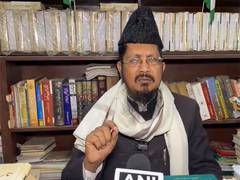
The recent killing of Ayatollah Ali Khamenei, the Supreme Leader of Iran, has not only impacted the Iranian populace but has also reverberated through the global Islamic community. Maulana Shahabuddin Razvi Barelvi, National President of the All India Muslim Jamaat, has condemned the actions of the U.S. and Israel as provocative and oppressive, which he believes contributed to Khamenei’s death, further straining relations and intensifying feelings of marginalization among Muslims worldwide.
Impact on the Islamic Community
The assassination of Khamenei has prompted widespread grief and outrage, particularly among Muslims in India and beyond. Barelvi emphasized that this event signifies a profound loss for all Muslims, describing Khamenei’s passing as more than just a national tragedy for Iran, but as an affront to the Islamic faith itself. With Iran declaring 40 days of national mourning and public protests emerging, the emotional and psychological ramifications are palpable. The incident has highlighted the ongoing ethnic and religious tensions faced by Muslims globally, reflecting a broader trend of social exclusion and discrimination against Muslims by Western powers.
Allegations against Global Powers
Barelvi’s statements also point to a more contentious narrative as he accused both the United States and Israel of “deceitful actions” and oppression. Drawing a parallel between political actions and religious sentiments, he articulated that these nations are exacerbating a climate of fear and hostility toward Muslims. He believes that this misuse of power fosters a dangerous environment, leading to increased marginalization and economic boycotts against Muslim communities globally. The ideological rift fueled by such violent events further polarizes societal attitudes, stripping away a sense of security for Muslims wherever they reside.
The Response from the Iranian Government
The Iranian Embassy in India has vehemently condemned the assassination, labeling it an “unforgivable crime.” They have urged global governments to condemn the killing, indicating that the Iranian leadership perceives this act not just as an affront to their sovereign rights but as an attack on the collective dignity of Muslims worldwide. The embassy’s statements reflect Iran’s commitment to rallying support within the international community for what they see as a systemic injustice against their nation and an implicit indictment of Western foreign policy. This call for solidarity presents a challenge for Muslim communities around the world, as they grapple with the implications of such conflicts on their political and social standing in various nations.
Why It Matters
The issues raised by the assassination of Khamenei carry significant weight beyond immediate geopolitical considerations. The narratives emerging from the incident reveal deep-seated issues of discrimination and exclusion that affect Muslim individuals and communities across the globe. This event acts as a flashpoint, drawing attention to the broader systemic barriers faced by Muslims in securing equal rights and representation in different socio-political contexts. Understanding these factors is essential for any discourse aimed at addressing inequalities and fostering more inclusive and equitable societies, especially in areas where government policies may inadvertently perpetuate cycles of marginalization.
Frequently Asked Questions
What was the response of the All India Muslim Jamaat to Khamenei’s killing?
Maulana Shahabuddin Razvi Barelvi described the killing as a significant loss for not only Iran but for Muslims worldwide, attributing responsibility to the “deceitful actions” of the U.S. and Israel.
What actions has Iran taken following Khamenei’s death?
Iran has declared a period of national mourning, with flags at half-mast and public gatherings planned to pay respects to Khamenei, reflecting widespread grief.
How has this incident affected perceptions of Muslims globally?
The event has intensified feelings of marginalization and has showcased the discrimination faced by Muslims, leading to greater concern over their security and political representation.
What are the implications for U.S.-Iran relations after Khamenei’s assassination?
The assassination further complicates U.S.-Iran relations, potentially escalating tensions and fostering backlash against the U.S. across various Muslim communities, calling into question the effectiveness of U.S. foreign policy in the region.