
The International Court of Justice (ICJ) has ruled that Myanmar’s military committed genocide against the Rohingya people in 2017, confirming that around 10,000 were killed during operations in Rakhine state. This landmark judgement under the 1948 Genocide Convention raises crucial questions about accountability and justice for the hundreds of thousands displaced by violence and oppression.
The ICJ Ruling: A Landmark Decision
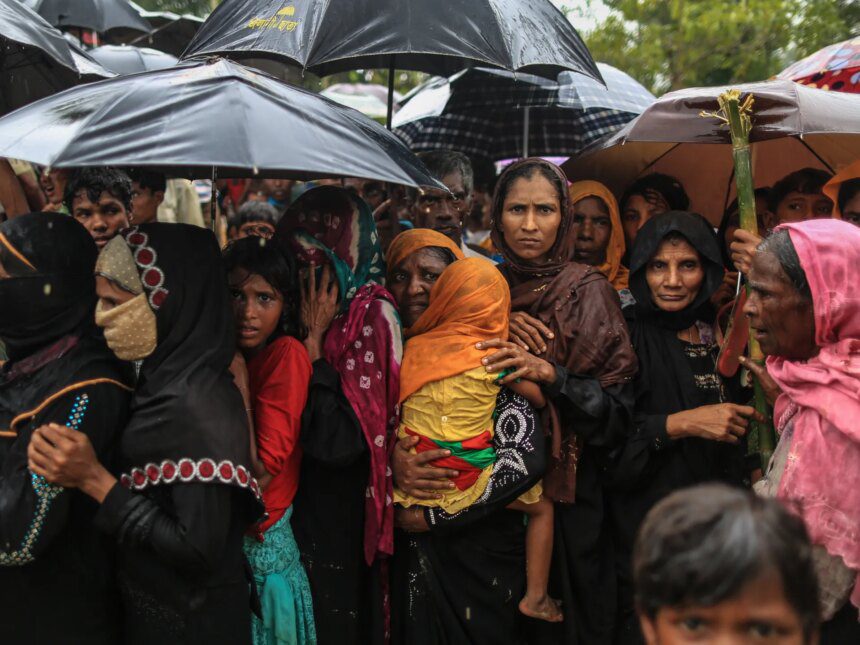
In a historic ruling, the ICJ found Myanmar in violation of its obligations under the Genocide Convention. The court determined that the military acted with “genocidal intent” during its systematic campaign against the Rohingya, which included mass killings, widespread rape, and the destruction of villages. This judgement is viewed as a significant step towards accountability for a crisis that saw nearly a million Rohingya fleeing to Bangladesh, leading to the establishment of one of the world’s largest refugee camps in Cox’s Bazar.
The Continuing Humanitarian Crisis
Despite the acknowledgement of genocide, the situation for the Rohingya remains dire. Many are still trapped in overcrowded, vulnerable camps in Bangladesh, lacking basic necessities such as food, sanitation, and healthcare. The ongoing statelessness of the Rohingya complicates their plight, with few prospects of safe return to Myanmar. The ICJ’s ruling, while a significant legal victory, has yet to translate into real-world change for those who continue to suffer in limbo.
International Response and Regional Implications
The ruling has intensified scrutiny of Myanmar’s military and government, which has faced international condemnation for its actions. However, regional geopolitics complicates the situation. Neighboring countries, including India, have historically engaged with Myanmar for political, economic, and security reasons. The Indian government has also faced pressure regarding its stance on the Rohingya refugees who have entered its territory. As the international community deliberates responses to the ruling, India must navigate the delicate balance between humanitarian support and regional security interests.
What This Means
For Indian readers, the ICJ’s ruling highlights the ongoing crisis faced by the Rohingya and the fragility of human rights in the region. It raises awareness about the need for international accountability for genocide and reinforces the urgency for humanitarian assistance for displaced communities. Furthermore, given India’s proximity to Myanmar and its own regional security concerns, the ruling may influence India’s refugee policies and diplomatic relations in Southeast Asia.
Frequently Asked Questions
What is the ICJ, and what authority does it have?
The International Court of Justice (ICJ) is the principal judicial body of the United Nations, based in The Hague. It resolves disputes between states and gives advisory opinions on international legal issues, including matters related to the Genocide Convention.
What constitutes genocide under international law?
Genocide involves acts committed with intent to destroy, wholly or partially, a national, ethnical, racial, or religious group. This may include killing, causing serious bodily or mental harm, and deliberately inflicting conditions calculated to bring about its physical destruction.
How has the international community responded to the Rohingya crisis?
The international community has largely condemned the actions of Myanmar’s military, with various countries and organizations calling for accountability. However, concrete action, such as sanctions or military interventions, remains limited due to geopolitical complexities and Myanmar’s strategic ties with nations like China and India.
What are the prospects for Rohingya refugees currently living in Bangladesh?
With the ICJ ruling, there is hope for increased international pressure on Myanmar for accountability. However, the prospects for Rohingya refugees remain uncertain as they continue to face overcrowded living conditions, with limited opportunities for resettlement or return home.